

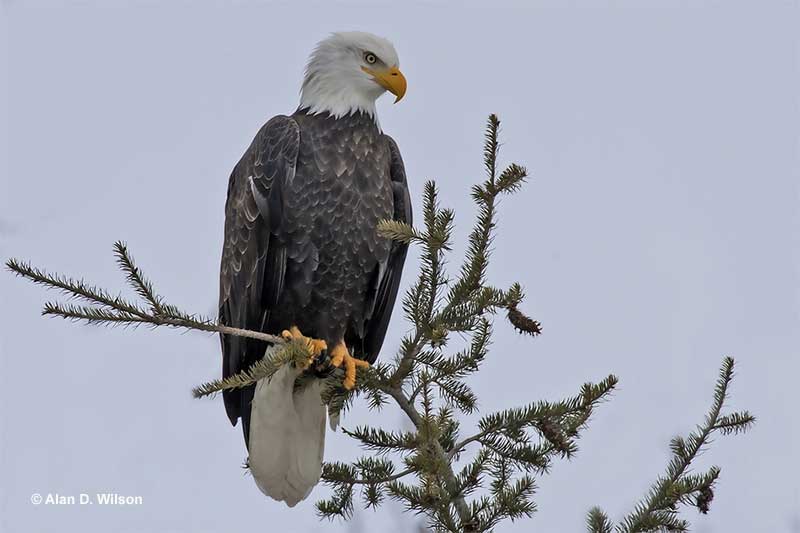
Have you ever thought about taking home a bird’s nest or eggs as a keepsake, especially when they seem abandoned? However, such acts, though seemingly innocent, can have significant consequences to the bird population.
The Migratory Bird Treaty Act (MBTA) of 1918 protects migratory birds, their nests, and eggs, ensuring their survival across international borders. But what exactly does it entail?
What The Treaty Act Entails
The Migratory Bird Treaty Act (MBTA) of 1918 is a pivotal U.S. legislation designed to protect migratory bird species.
Enacted in response to declining bird populations due to overhunting and the fashion industry’s demand for feathers, the MBTA implements treaties between the U.S. and other nations, including Canada, Mexico, Japan, and Russia. These treaties aim to ensure the conservation of migratory birds across international borders.
The MBTA prohibits pursuing, hunting, capturing, killing, or selling migratory birds, their eggs, or nests without proper authorization. It applies across the United States and its territories, binding individuals, corporations, and governmental entities.
Over 1,000 bird species are protected under the Act, from songbirds to waterfowl.

Amendments to the MBTA have strengthened its scope, with significant updates in 1972 and 2021, the latter reversing a 2020 regulatory change that narrowed protections.
The MBTA impacts private property owners by imposing restrictions on activities potentially harmful to bird habitats. These include construction and agriculture, necessitating mitigation measures to balance land use and wildlife conservation.
Exceptions to the MBTA provide flexibility for specific activities. The U.S. Fish and Wildlife Service (USFWS) issues permits for scientific research, educational purposes, falconry, and controlling birds that pose health hazards or economic damage.
Native American tribes can obtain permits for traditional and subsistence uses of birds. Depredation orders permit the control of birds, causing significant agricultural damage or health risks. These exceptions help private property owners and others balance their activities with bird conservation, fostering cooperative wildlife protection efforts.
But Are All Birds Protected?
As it would happen, not all bird species are protected under the Migratory Bird Treaty Act (MBTA).
To qualify for protection, a bird must be a native species to the United States or its territories and occur naturally in these regions.
The Act safeguards both common and rare birds, covering around 1,100 species. This protection extends not only to the birds themselves but also to their nests, eggs, feathers, and any other parts.
However, certain birds do not fall under the MBTA’s protection. Non-migratory or invasive birds, such as the House Sparrow and the European Starling, are excluded from the Act. These species were either introduced to the U.S. or do not participate in the migratory patterns that the MBTA was designed to protect.
Additionally, game birds, which are hunted for sport and regulated under different laws, are also not covered by the Act. Consequently, they are not part of the international agreements that form the basis of the MBTA.
The Good And The Bad
The Migratory Bird Treaty Act (MBTA) has been remarkably effective in protecting migratory bird species since its inception in 1918.
By curtailing hunting and commercial exploitation, the Act has contributed significantly to the recovery and stabilization of many bird populations. For example, Snowy Egrets and Wood Ducks, once on the brink of extinction due to overhunting, have seen substantial population rebounds thanks to the MBTA’s protections.
Over the years, the MBTA has adapted to new threats facing bird populations. Amendments and regulatory changes have addressed issues such as habitat destruction, pollution, and incidental take from industrial activities.

For instance, regulations under the Obama administration required industries to implement best practices to minimize unintentional harm to birds, reflecting a more comprehensive approach to conservation. This included measures like covering oil pits and marking power lines to prevent bird collisions and deaths.
However, the MBTA has not been without its challenges and criticisms. Some argue that the Act’s strict regulations can impose significant burdens on industries and private property owners, leading to economic drawbacks. Additionally, the Act’s enforcement has occasionally been inconsistent.
Recent political shifts, such as regulatory reversals under the Trump administration, have rolled back certain protections by reinterpreting the Act to exclude incidental take, creating uncertainty about long-term protections.
Despite these challenges, the overall impact of the MBTA has been positive, helping to safeguard many bird species. Ongoing efforts to address new dangers and refine regulations continue to enhance its effectiveness, balancing conservation needs with practical considerations for human activities.
Frequently Asked Questions
What does the US Migratory Bird Treaty Act do?
The US Migratory Bird Treaty Act protects migratory bird species by prohibiting the hunting, capturing, killing, and selling of these birds, their nests, parts, and their eggs.
Are there any international bird protection treaties?
In addition to The Migratory Bird Treaty Act (MBTA), there are other international bird protection treaties, such as the International Convention for the Protection of Birds and the Agreement on the Conservation of African-Eurasian Migratory Waterbirds (AEWA). Both aim to safeguard migratory bird species across their global ranges.
Are game birds protected by the treaty?
Game birds are not protected under the Migratory Bird Treaty Act.
