

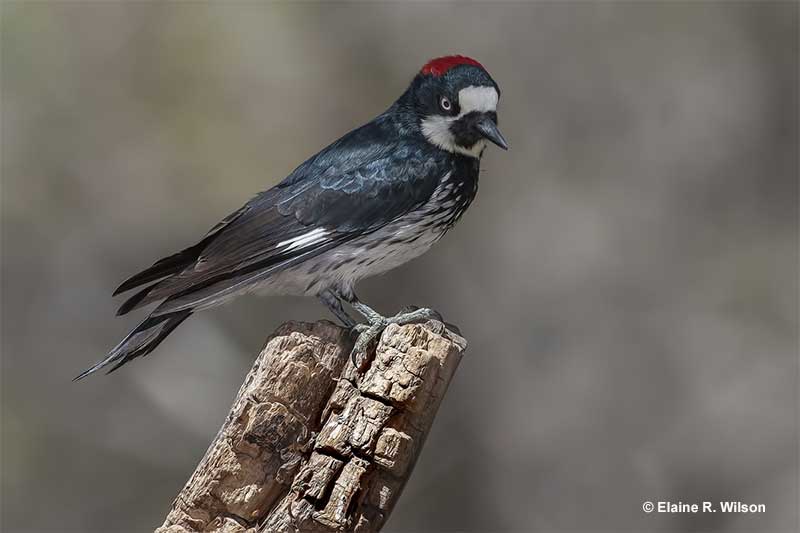
Woodpeckers are such cool birds. They have handsome, boldly patterned plumage, and use their strong beaks to hammer into trees!
Even better, some visit feeders and are common backyard birds. Once in a while, we also see different woodpeckers in our backyards, especially during migration or winter.
But which woodpeckers are resident, and which migrate?
Most Woodpeckers Stay Resident
Woodpeckers are hardy birds. Unlike many other small birds, most woodpeckers don’t migrate. Several woodpecker species can withstand harsh winters, even as far north as Alaska!
One of those species, the American Three-toed Woodpecker, also lives in cold, high elevation forests in the Rocky Mountains. When I did bird surveys in Colorado, I occasionally saw them in high elevation forests. Those habitats were likewise frequented by Pine Grosbeaks and other birds that also live in cold boreal forests.
I never saw those woodpeckers lower than 8,000 feet and was always impressed how they could live in such cold places. Those are some tough birds but, in winter, some do occasionally move to lower elevations and areas just south of their breeding grounds.
However, most American Three-toed Woodpeckers are resident, even in far northern forests. In part, they survive winter weather because they feed on beetle larvae underneath bark and in tree trunks.
Hairy, Downy, Red-bellied Woodpeckers, and other woodpecker species don’t need to migrate for similar reasons. In addition to having adaptations for cold weather, during winter, they can still find food by digging out larvae and eating hibernating insects and berries.
Feeders also help woodpeckers in winter, especially when we give them energy-rich suet!
Woodpeckers That Migrate
Although most woodpeckers are resident, some species migrate short distances and a few can fly much further.
Northern Flicker
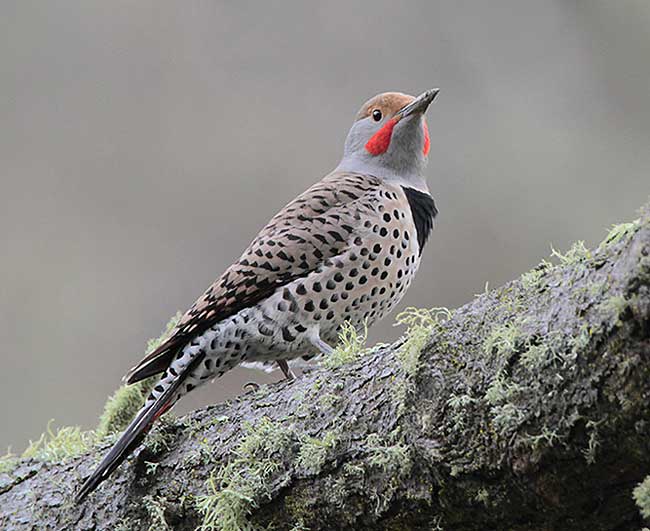
In many parts of North America, Northern Flickers are common birds all year long. However, if you do some winter birding in Canada and parts of the northern USA, you probably won’t see them. Northern Flickers that breed in the coldest northern habitats migrate to warmer regions.
Go birding at migration hotspots like Magee Marsh, Point Pelee, and Whitefish Point and you’ll probably see Northern Flickers flapping their way north (or south). Most probably, they spend the winter in the southern USA, but even winter as far north as Illinois and Washington state.
Northern Flickers migrate to places where they can feed on ants and berries.
Red-headed Woodpecker

Red-headed Woodpeckers can be common, year-round residents in the southern USA but aren’t nearly as frequent in southern Canada and the northern states. Those northern birds can migrate to winter in cypress swamps and other woodlands in the southern states.
Red-headed Woodpeckers from the Great Plains also migrate to southern states although they might not migrate every year. It’s hard to know why these beautiful birds migrate but their movements seem to be related to seasonal abundance of acorns and other nuts and seeds on their breeding grounds.
In years with a good acorn crop, Red-headed Woodpeckers might not migrate at all.
Lewis’s Woodpecker
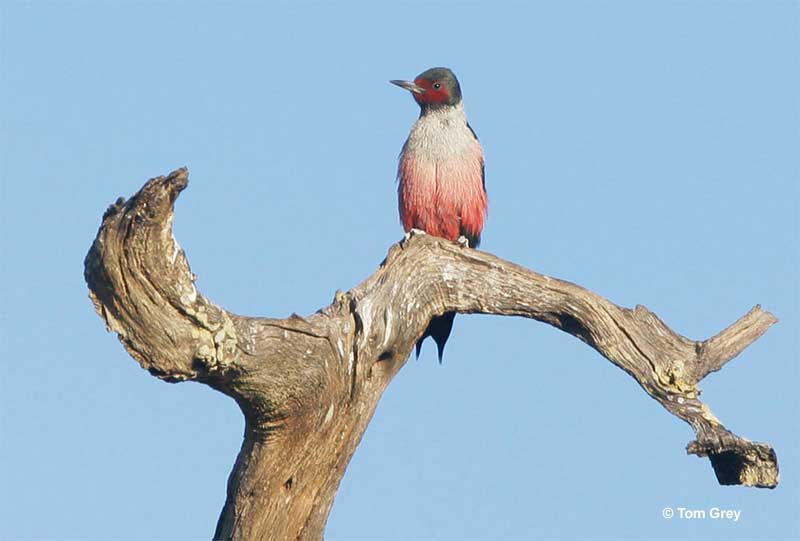
Lewis’s Woodpeckers that breed in British Columbia and the northern states migrate south for the winter. Some birds that live in mountains in other parts of their range probably also migrate to lower elevations for the winter.
Migrating birds mostly move to California and the southwestern states. In winter, Lewis’s Woodpeckers can also wander around in search of good feeding opportunities. Some even wander to the Great Lakes and eastern states!
They migrate because their main sources of food become absent during cold weather in the northern parts of their range. These woodpeckers need places where they can feed on flying insects, nuts, and seeds.
Yellow-bellied Sapsucker
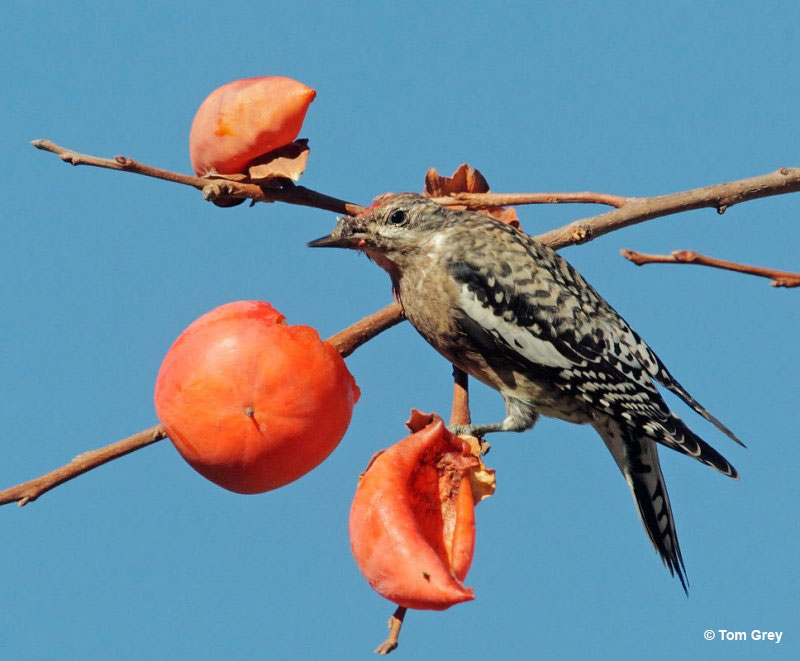
The Yellow-bellied Sapsucker migrates further than any other woodpecker species in North America. After breeding in Canada and the northern USA, these beautiful woodpeckers can migrate as far south as Panama!
However, the majority of Yellow-bellied Sapsuckers winter in woodlands in the southeastern USA. They can migrate in flocks and, like many other small birds, mostly migrate at night.
This woodpecker species migrates south because its diet of sap and insects becomes unavailable during cold, northern winters.
In warmer regions, trees still produce enough sap and harbor enough berries and bugs to fulfill their dietary needs.
Williamson’s Sapsucker

Williamson’s Sapsuckers migrate from montane habitats in the Rocky Mountains to lower elevation pine-oak and juniper-oak montane habitats. Birds that breed in California, New Mexico, and Arizona can be present all year long. However, most Williamson’s Sapsuckers that nest in southwestern Canada and the northern Rockies are migratory.
Some of these birds migrate to mountains in California and southwestern states but others fly all the way to mountains in western and central Mexico!
This handsome woodpecker migrates so it can eat. They fly south and out of high elevation areas where they can continue to feed on sap, ants, and berries.
Red-naped Sapsucker
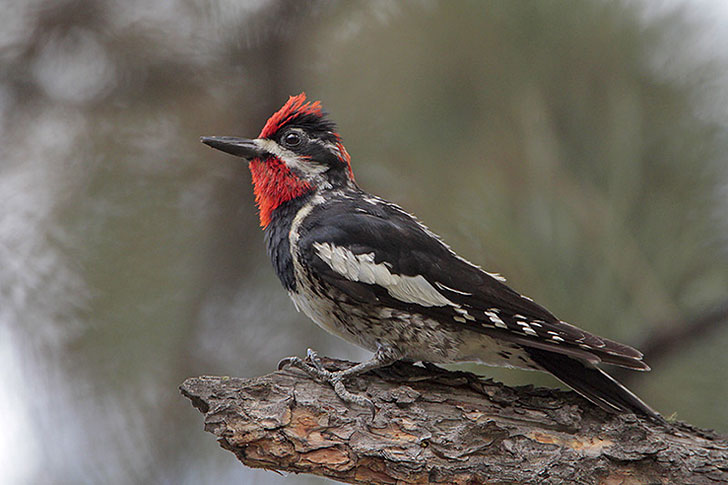
Red-naped Sapsuckers are one of the other main woodpeckers that migrate fairly long distances. After breeding in the Rocky Mountain region, most fly south to lower elevations in the southwestern states and western Mexico.
They can also range as far south as central Mexico, and are present all year long in some parts of Nevada, Utah, Arizona, and New Mexico.
In spring, I have watched Red-naped Sapsuckers forage in riparian zones on the outskirts of Phoenix, Arizona. During the winter, I have also seen them foraging with mixed flocks in the Mexican highlands!
This species migrates to places where it can feed on sap, insects, and berries.
Red-breasted Sapsucker
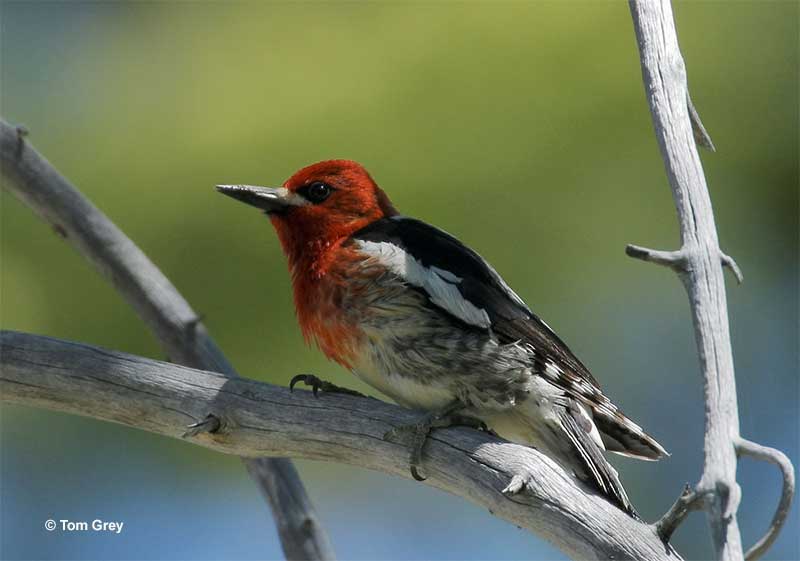
The beautiful Red-breasted Sapsucker is a short distance migrant that mostly breeds in the Pacific Northwest. Many birds that nest in coastal forests don’t migrate at all. However, Red-breasted Sapsuckers that live in higher elevation forests move to lower elevations for the winter.
We can see those migrants in coastal habitats and low elevations in California, western Nevada, and northwestern Mexico. Like other sapsucker species, they migrate so they can feed on sap, insects, and small fruits.
This pretty bird often forages on its own but in winter, they sometimes occur in small flocks, even with other sapsucker species.