

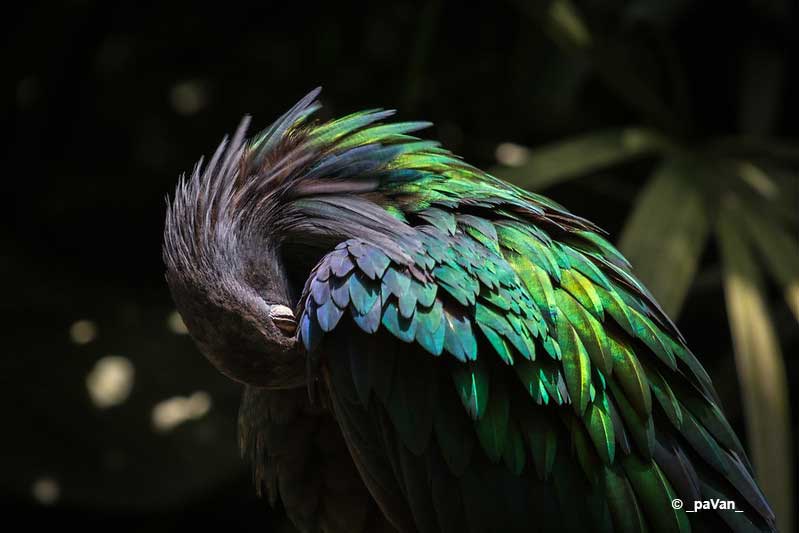
Pigeons are everywhere. You can see them perched on city rooftops, circling temple courtyards, or strutting across park benches. Because they live so closely alongside us, it’s easy to overlook them.
But throughout history, pigeons have carried far more meaning than their everyday presence suggests. They have been messengers, symbols of peace, signs of love, and even sacred animals tied to gods and goddesses.
So what do pigeons really symbolise? The answer depends on the culture, the story, and the time. Let’s explore the many layers of meaning humans have attached to this familiar bird.
Pigeons as Symbols of Peace
When most people think of pigeons or doves, the first meaning that comes to mind is peace. The image of a white dove carrying an olive branch is one of the most universal symbols in the world.
This symbol stretches back thousands of years. In the story of Noah’s Ark, a dove brings back an olive leaf to show that the floodwaters had receded. That single act turned the bird into a messenger of renewal and peace.
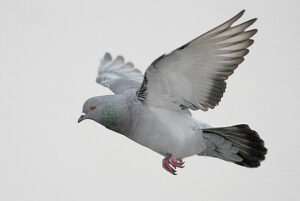
Photograph © Greg Lavaty
In modern times, doves are often released at ceremonies, weddings, and even sporting events to represent harmony and unity. They remind us of the possibility of calm after conflict, and of hope after hardship.
Love and Devotion
One of the most powerful symbolic meanings of pigeons is love. Unlike many bird species that change partners each season, pigeons are known for forming strong, lasting pair bonds. Once a pair chooses each other, they often stay together for life.
This loyalty has inspired countless comparisons to human relationships. Ancient poets and storytellers often used pigeons as images of true devotion. In Greek mythology, the goddess Aphrodite was said to be carried in a chariot drawn by doves, linking the birds forever to romance and passion.
Even their everyday behavior strengthens this symbolism. Pigeon pairs are often seen sitting close together, grooming each other, and sharing the work of raising chicks. Both parents take turns incubating eggs and feeding their young. To human eyes, this looks like teamwork, care, and dedication.
That’s why pigeons and doves still appear in wedding ceremonies, Valentine’s Day cards, and jewelry. They stand for the type of love that is steady and loyal, the kind that endures through time rather than flaring out quickly. Their real-life devotion makes them natural symbols of lasting bonds.
Hope and Renewal
Pigeons also carry the meaning of hope and new beginnings. Again, the story of Noah’s Ark plays a central role. The dove returning with an olive leaf was a sign that life could start fresh.
Beyond the biblical account, pigeons have been used in different cultures as symbols of renewal. Their gentle cooing and nesting habits made them connected to the cycles of birth and rebirth.
Seeing a pigeon in spring, building a nest and raising chicks, is a living reminder that life continues and that renewal is always possible.
Messengers of Connection
Pigeons also symbolize connection, both physical and spiritual. Their homing instinct is extraordinary — a pigeon released miles away can find its way back home with accuracy. Humans learned to use this ability thousands of years ago.
Carrier pigeons became essential for communication in times when no other method existed. Ancient Persians and Romans sent messages with pigeons. Traders relied on them to share news across long distances. During wartime, pigeons carried life-saving notes across battlefields.
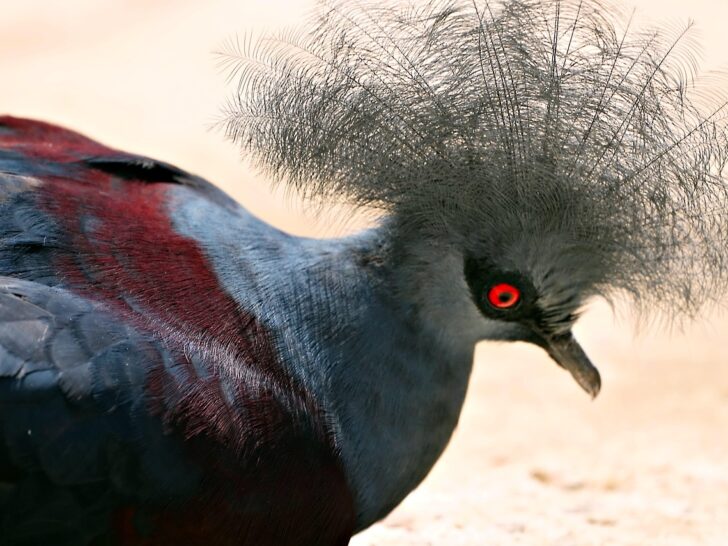
One of the most famous examples is Cher Ami, a pigeon in World War I who carried a critical message that saved almost 200 soldiers. Despite being wounded, Cher Ami reached its destination. Stories like this made pigeons symbols of courage and reliability, not just connection.
On a spiritual level, pigeons have also been seen as messengers between humans and the divine. A pigeon or dove appearing suddenly was sometimes interpreted as a sign, a piece of guidance, or even a message from ancestors.
Whether in history or in faith, pigeons remind us of unseen threads that tie people together, even across distance. They symbolize the importance of communication, connection, and trust.
Fertility and Abundance
In ancient cultures, pigeons were tied to fertility and prosperity. In Mesopotamia, they were associated with the goddess Ishtar, who represented love, war, and fertility. In ancient Greece, they were linked to Aphrodite, the goddess of love.
The gentle nature of pigeons, along with their nesting habits and rapid reproduction, made them natural symbols of abundance. Farmers often saw them as signs of good fortune and productivity.
When pigeons gathered near temples or shrines, people believed it was a blessing — a promise of prosperity to come.
Spirituality and the Sacred
Pigeons have long carried sacred meaning in religions and spiritual traditions around the world. Their gentle nature, soft calls, and graceful flight made them symbols of purity and divine presence.
In Christianity, the dove became the most common symbol of the Holy Spirit. Biblical accounts often describe the Spirit descending “like a dove,” turning the bird into a sign of peace, holiness, and guidance.
In Hindu traditions, pigeons are sometimes connected to offerings for ancestors. Releasing or feeding pigeons can be an act of respect, linking the living with those who have passed on. In Islam, pigeons are honored for their role in protecting the Prophet Muhammad during his flight from Mecca.
In ancient cultures, pigeons were sacred to goddesses. In Mesopotamia, they were tied to Ishtar, the goddess of fertility and love. In Greece, they were linked with Aphrodite, reinforcing the bird’s role as a symbol of love, beauty, and the sacred feminine.
Across all these traditions, pigeons stand for more than just physical life. They represent the spiritual connection between earth and the divine, between the human and the eternal. A white pigeon or dove, in particular, continues to carry this sacred weight today.
Pigeons in Myth and Folklore
Pigeons appear in stories and myths across the globe. In Middle Eastern folklore, pigeons were protectors of the Prophet Muhammad. In Greek myths, pigeons carried messages from the gods.
Folktales often use pigeons as gentle guides, loyal companions, or symbols of innocence. Unlike more aggressive birds of prey, pigeons are almost always cast in a positive light.
Their role in myth shows how people have long admired their qualities of gentleness, loyalty, and trust.
Urban Survival and Adaptability
In today’s world, pigeons have gained a new layer of meaning: resilience.
Unlike many species that struggle to live in cities, pigeons have not only survived but thrived. They nest on rooftops, ledges, and bridges, treating human structures as cliffs and caves. They feed on scraps, adapt to crowded spaces, and continue to raise young in the busiest urban environments.

This adaptability has made them symbols of survival in modern life. No matter how noisy or crowded the city, pigeons find a way to make it their home. For some, they represent the idea of persistence — making the best of whatever environment you are given.
Of course, not everyone views pigeons kindly. In some places they are called “rats with wings,” a reflection of how common and messy they can seem. But even this negative label highlights their ability to endure. Where other birds fade from urban spaces, pigeons remain.
Their presence can serve as a reminder that resilience is its own kind of beauty. They are proof that life can thrive in unlikely places, that adaptability can be just as important as strength. In that way, pigeons symbolize not just survival, but the ability to turn challenge into opportunity.
Pigeons as Symbols of Home
Pigeons also symbolize home and belonging. Because of their homing instinct, they can travel long distances and still find their way back.
This trait made them valuable as messengers but also gave them symbolic weight. They represent returning, safety, and the comfort of home.
In a way, pigeons are both wanderers and homebodies. They fly far, yet always come back. That balance has inspired stories of reunion and safe return across cultures.
Mixed Meanings in Modern Times
Of course, not all symbolism is positive. In cities, pigeons are sometimes called “rats with wings.” They are seen as messy or common.

But even this view adds to their symbolic meaning. Pigeons stand as a reminder that beauty and value are often overlooked in the ordinary. The same bird that some dismiss as a nuisance has, for centuries, represented peace, love, and hope.
Their story shows how symbols change with time, but also how deeply they are rooted.
Conclusion
Pigeons are more than city birds. They have been sacred messengers, symbols of peace, and companions of love for thousands of years.
They stand for loyalty, renewal, fertility, and survival. They link the everyday world with the spiritual, carrying meaning that stretches across cultures and centuries.
So the next time you see a pigeon pecking in a square or cooing on a ledge, pause for a moment. That humble bird carries with it a history of symbols — from peace and devotion to resilience and hope.
Pigeons may be common, but their symbolism is extraordinary.
Write your thoughts on what pigeons symbolize — what do they mean to you, and what have you seen in your own experiences