


Albatrosses are magnificent and awe-inspiring birds, closely linked with maritime traditions and lore. These impressive seabirds were believed to carry the souls of lost sailors, symbolizing protection and favorable conditions at sea.
Conversely, harming an albatross was considered an ominous act, bringing about severe misfortune. Let’s delve deeper into what makes the albatross so special and its profound impact on culture and symbolism.
Albatross Meaning & Symbolism
Albatrosses are best known for the belief that their presence brings good luck to seafarers. In Polynesian cultures, they were seen as incarnations of deceased ancestors, guiding travelers and sailors, and their sighting was considered an omen of good fortune at sea.
Japanese folklore speaks of the “fool birds,” believed to calm stormy seas when fed by sailors. Maori culture used the bird’s feathers and bones in ceremonial garbs, symbolizing peace, unity, and global harmony. European legends often depicted albatrosses as the souls of drowned sailors or as omens of doom.
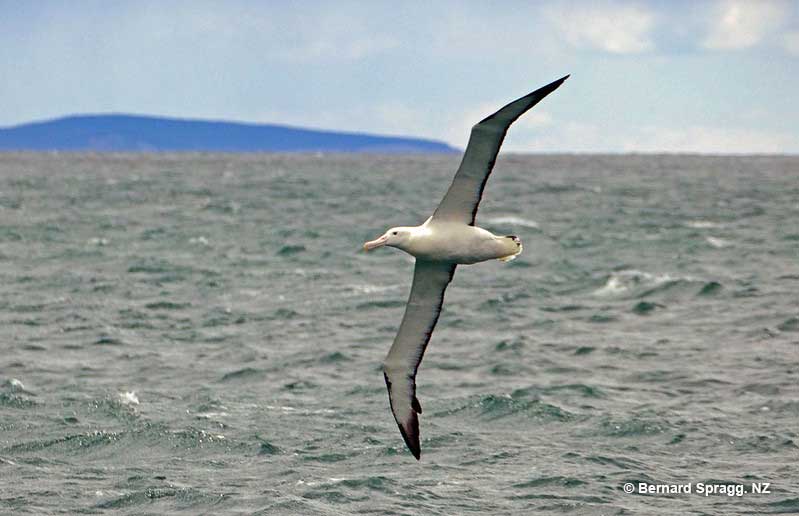
Among Native Americans, the albatross symbolizes aggression and perseverance, and some tribes believe the bird has magical powers over weather and storms.
Stories highlight the bird’s dual nature, such as a tale in which humans stop feeding albatrosses due to their rudeness and aggression. This is supposed to serve as a reminder that personality and behavior matter more than a pretty exterior. Another story portrays the albatross as a savior, protecting bear cubs from a monster.
Historically, albatrosses were believed to carry the souls of lost sailors. Harming one was considered very bad luck. Samuel Taylor Coleridge’s poem “The Rime of the Ancient Mariner” famously portrays the albatross as a symbol of guilt. However, this comes after a mariner kills it, bringing misfortune to his ship and crew.
What does it mean when you see an albatross?
Seeing an albatross can carry various symbolic meanings depending on cultural context and personal beliefs. For sailors, the sight of this majestic bird often heralded good fortune and protection at sea. Its presence a reassuring sign of favorable winds and safe passage.
They even tried interpreting the bird’s flight patterns to navigate and avoid storms. For example, an albatross flying high above the ship was believed to bring fair wind. Conversely, some sailors viewed the albatross as a bad omen, a harbinger of imminent misfortune or death.
For those not bound to the sea, seeing an albatross can still hold significant meaning. This majestic bird, often associated with freedom and transcendence, may symbolize a sense of liberation or a desire to break free from life’s constraints.
Its ability to navigate vast distances effortlessly suggests guidance and direction, encouraging individuals to trust their instincts and navigate their life’s journey with confidence.
What does it mean when you dream of an albatross?
Interpreting dreams is always personal and tied to what your beliefs are and how you feel in the moment. However, here are some possible explanations tied to the symbolic meaning of albatrosses.
When you see an albatross flying high, it symbolizes your aspirations and personal growth. It can indicate your journey toward greater wisdom and success. If the bird appears larger than everything else, it reflects a liberated and purposeful life filled with prosperity. An albatross circling your head suggests a surprise is on the horizon.
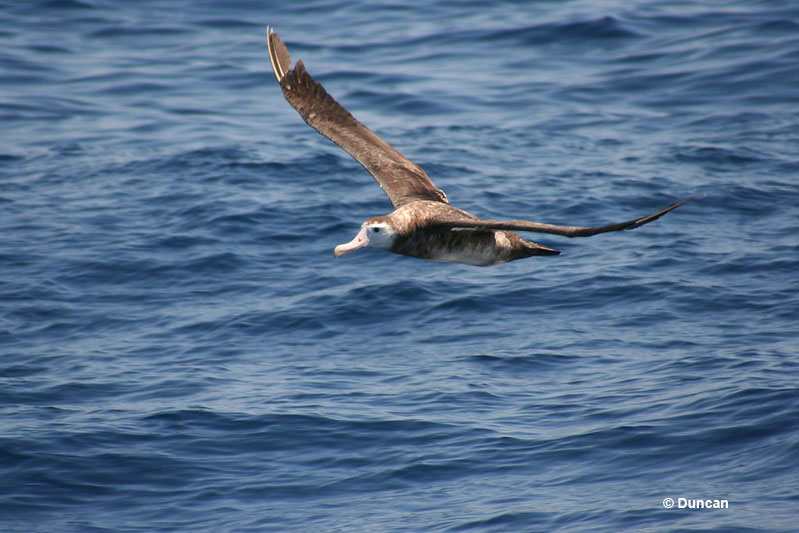
Should the albatross be taking flight, it indicates a surge in your creativity and a sense of newfound freedom in your work. A calm albatross floating on water is a positive sign, heralding good news and improvement in your circumstances. If the bird flies endlessly, it signals an upcoming change, particularly in your career, or even a physical move.
Conversely, seeing an albatross far away warns of potential bad luck and advises caution, particularly with personal information. Hearing an albatross scream signifies possible deceit or betrayal. A group of albatrosses flying toward you foretells an encounter with a powerful individual who will become significant in your life. If an albatross catches a fish but loses it, expect disappointing news.
Dreaming of a dead albatross is a bad omen, suggesting that plans may fail, and new ventures should be postponed until a more favorable time. This symbol reflects vulnerability, bad luck, and challenging environments.
Spiritual Meaning
The spiritual side of the albatross encompasses a wide range of ideas, primarily centered around freedom, transcendence, and independence. Known for its effortless travel across vast distances, the albatross symbolizes the ability to rise above earthly concerns and serves as a protective guide.
Its endurance during long flights epitomizes spiritual perseverance, encouraging you to remain steadfast on your spiritual path despite challenges.
If the albatross is your spirit animal, you are likely to embody calmness, independence, open-mindedness, and success. However, you may also experience restlessness and might be perceived as lazy.
As a totem, the albatross provides guidance in managing stress and uncovering pathways in both mental and physical realms.

Due to a wandering spirit, you may struggle with commitment, often feeling grounded only by true love. This bird teaches loyalty and independence, urging against forming relationships of convenience. You value long-distance relationships and possess the ability to break through self-imposed limitations.
When the albatross appears during times of personal constraint, it encourages you to break free from limiting situations or relationships, guiding you to seek solutions and gain new perspectives. If the albatross appears in your consciousness and causes discomfort, it may indicate a fear of engaging with your emotional nature.
The bird urges you to express and understand your emotions, teaching you to navigate your emotional landscapes. It offers the freedom to break away from psychological or physical constraints, promoting personal growth and emotional resilience.
Fortune
Albatrosses symbolize fortune primarily through their deep-rooted association with seafaring myths and legends. Sailors historically regarded these majestic birds as harbingers of good luck and protection, believing their presence ensured favorable winds and a safe passage across treacherous waters.
The albatross’s exceptional ability to navigate vast ocean distances effortlessly represents not only physical guidance but also a metaphorical journey toward success and prosperity.
Beyond the sea, the albatross’s symbolism extends to qualities such as perseverance, resilience, and the ability to rise above challenges – all qualities needed to achieve success.
Burden
Albatrosses symbolize burden primarily through literary and cultural associations, most famously illustrated in Samuel Taylor Coleridge’s poem “The Rime of the Ancient Mariner.”
In this poem, a sailor kills an albatross, an act that brings severe misfortune to him and his crew. As punishment, the dead bird is hung around the mariner’s neck, symbolizing the weight of guilt and responsibility he must bear.
It extends to the idea of consequences for one’s actions. The mariner’s impulsive decision to kill the bird leads to dire repercussions, highlighting how a single act can lead to long-lasting regret and hardship.
In a broader sense, the albatross, as a symbol of burden, reflects the universal human experience of carrying emotional or psychological weights. In this context, the albatross serves as a metaphor for the challenges and burdens that can weigh us down. They remind us of the importance of resolving our inner conflicts to find peace and freedom.
Freedom
Albatrosses symbolize freedom through their ability to travel vast distances across the open ocean with effortless grace. Known for their long wingspans and skillful use of wind currents, these birds can glide for hours without flapping their wings, embodying the essence of unrestricted movement and boundless exploration.
In many cultures, the albatross is seen as a symbol of spiritual transcendence and the soul’s journey beyond earthly limitations. Their capacity to soar over vast seas and navigate through harsh environments represents the idea of rising above challenges and breaking free from constraints.
Their presence can inspire individuals to seek greater independence and to explore new horizons, both physically and metaphorically.
Albatross Tattoo Meaning
Tattoos are deeply personal expressions, each one carrying unique significance for the individual who wears them. However, here are some potential interpretations.
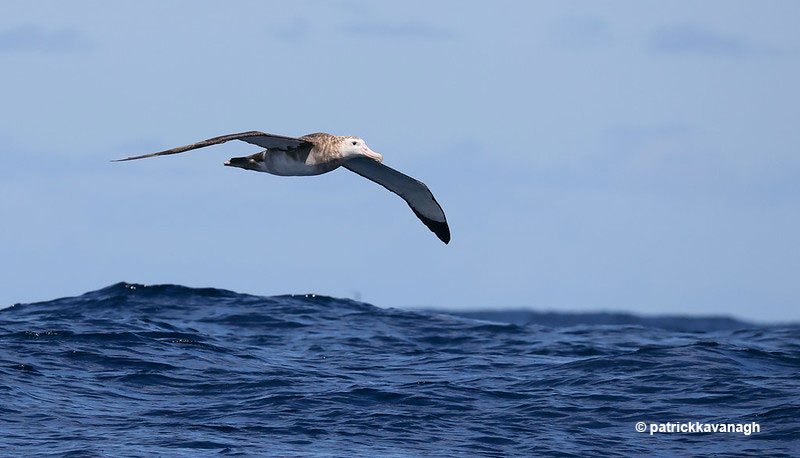
Albatrosses are known for their ability to soar over vast oceans effortlessly. An albatross tattoo can symbolize a love for travel, exploration, and a desire for personal liberation, reflecting a life unbound by constraints and full of adventure. It may also serve as a reminder to stay steadfast and determined, encouraging inner strength and perseverance.
Historically, sailors regarded albatrosses as omens of good fortune and protection at sea. An albatross tattoo can symbolize guidance, protection, and a sense of being watched over during life’s journeys, making it a talisman for safety and well-being.
Some view the albatross as a messenger between earthly and spiritual realms. A tattoo of this bird can, therefore, represent spiritual growth, enlightenment, and the aspiration to rise above mundane concerns. This can be seen as a symbol of a journey toward higher wisdom and inner peace.
On the other hand, an albatross tattoo might also represent burden, guilt, or grief. In this context, the albatross serves as a poignant reminder of the consequences of one’s actions and the importance of personal responsibility and redemption.
Frequently Asked Questions
Is an albatross good or bad luck?
An albatross is traditionally considered good luck by sailors, symbolizing guidance and protection. Harming one is viewed as bringing bad luck and misfortune.
What does the albatross mean in love?
In love, the albatross symbolizes loyalty and endurance.
What does the albatross symbolize in the Bible?
Albatrosses are not directly mentioned in the Bible, so they do not have symbolic meanings in biblical texts.
What does the killing of the albatross symbolize?
Killing an albatross symbolizes a grave mistake that brings guilt and misfortune, as famously depicted in Samuel Taylor Coleridge’s “The Rime of the Ancient Mariner.”
Why are albatrosses so special?
Albatrosses are special due to their remarkable ability to travel vast distances across the open ocean with minimal effort, their impressive wingspan, and their cultural and literary significance as a symbol of freedom, endurance, and both good and bad omens.
They also happen to have relatively long lifespans. For example, a female Laysan Albatross nicknamed Wisdom is thought to be over 70 years old, and she was still laying eggs a few years ago.
Conclusions
In conclusion, the albatross is much more than just a bird; it is a symbol of freedom, resilience, and deep cultural significance.
Its ability to effortlessly navigate the vast oceans symbolizes the ultimate sense of freedom and exploration, inspiring those who seek to transcend earthly limitations. In literature, the albatross represents both the burden of guilt and the path to redemption.
In maritime folklore, albatrosses seen as a protector of sailors. They are believed to carry the souls of the lost and bring favorable conditions at sea. Through these various lenses, the albatross continues to embody a unique blend of natural wonder and symbolic depth.
