


Throughout history, humans have sought to explain events and find connections in the world around them, often attributing meaning to what might merely be coincidences.
This tendency extends to our interpretations of birds. From harbingers of fortune to omens of doom, birds have inspired countless beliefs that reflect our deepest fears and hopes.
Crows
Crows have been the subject of numerous superstitions across various cultures and are often associated with death and bad omens.
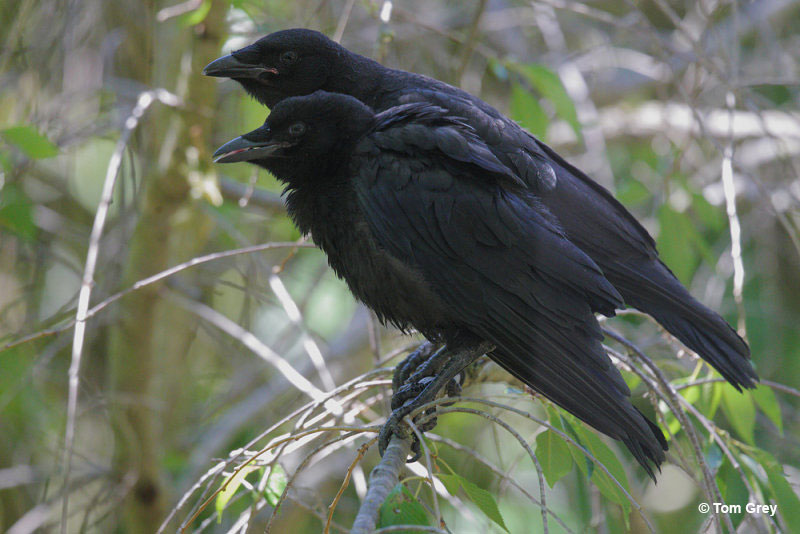
The number of crows you see in one place and the location where you see them play a significant role. Seeing a single crow is considered unlucky, especially over a house, whereas two crows signify good luck. Three crows indicate that someone in your family will die, four that there will soon be financial gain, five mean sickness will strike you or someone close to you, and six signify death.
Interestingly, finding a dead crow on the road is considered good luck.
Magpies
Magpies share the same overall bad reputation as their crow cousins, especially in Western cultures. They are said to have not mourned Jesus during the crucifixion or entered Noah’s Ark, linking them to bad luck and evil. Superstition holds they carry the devil’s blood and could speak if their tongue is cut.
In Scotland, a single magpie near a house signals impending death, while in Wales, a magpie moving right to left at the start of a journey is seen as hazardous. Seeing a lone magpie is often considered bad luck, prompting rituals like saluting or greeting the bird.
Swallows
Swallows are widely regarded as symbols of good luck and protection. Sailors view swallows as guardians, often tattooing them for safe passage. Presumably because swallows are land-based so seeing them means that they are close to the shore.
Seeing a swallow, especially one nesting on your house, is believed to bring good fortune and ward off evil.
Their return each spring signifies fidelity and safe returns, and their flight patterns predict the weather: low flying for rain, high flying for fair weather. This is because swallows feed on insects while flying.
When air pressure is high, which indicates fair weather, insects are carried higher into the air, causing the swallows to fly at higher altitudes, whereas when the air pressure drops, indicating approaching storms or rain, then insects tend to fly lower.
Storks
Storks are surrounded by a variety of superstitions, many of which are positive. In European folklore, storks are symbols of fertility and good luck, often associated with the arrival of and delivering babies. For unmarried women, seeing a stork is believed to predict a reunion with a lover or an upcoming marriage.
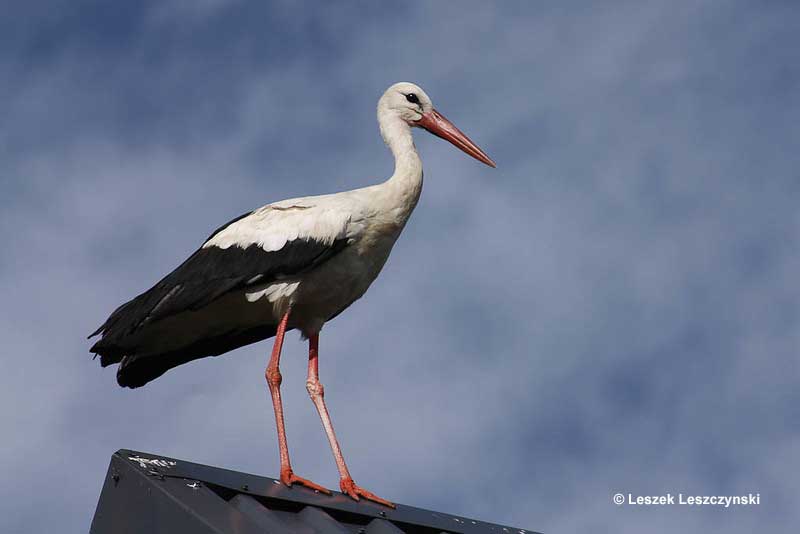
If a stork builds a nest on your house, it is believed that the house will be protected from fire and theft. A stork nesting on the roof is also seen as a sign of prosperity and happiness for the family living there. Spotting a stork flying over your house is considered a harbinger of joyful events and good news.
Conversely, if a stork leaves its nest or moves to another toof, it is considered a bad omen. This can potentially signal disaster or misfortune for the household.
Cuckoos
The superstitions surrounding cuckoos are mostly tied to where and how you heard their call. Hearing the first cuckoo with your right ear is considered a sign of good luck for the year. Meanwhile, hearing it with your left ear is thought to bring bad luck.
In some cultures, it is considered especially ominous to hear the call from behind you or have the cuckoo call in your yard, signifying that you or someone close to you might die. On a brighter note, if you have money in your pocket when you hear it call for the first time that year, it is believed to ensure financial prosperity for the rest of the year.
Sparrows
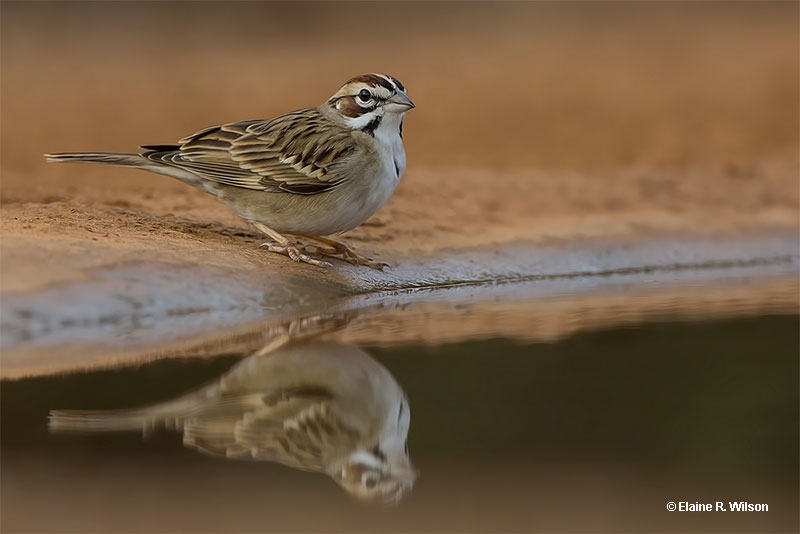
Small yet spirited, sparrows are surrounded by various superstitions, often with mixed connotations. In many cultures, they are believed to carry the souls of the dead, making it bad luck to kill one. Their presence near homes is thought to bring good fortune and protection.
In European traditions, a sparrow entering a house or flying against a window and dying is seen as a sign of impending death. On the other hand, in Chinese and Indonesian cultures, a sparrow flying into a house is thought to bring good luck.
Robins
Robins are often seen as symbols of good luck and happiness. One legend suggests the robin’s red breast (European Robin’s in this case) came from trying to remove thorns from Christ’s crown, staining its feathers with His blood. Some believe that making a wish upon seeing the first robin will ensure the wish comes true, provided the wish is made before the robin flies away.
On the other hand, harming or killing a robin, or disturbing its nest or eggs, is considered very unlucky.
To get more specific, killing a robin supposedly stains a landowner’s cows’ milk with blood and causes fires in their home and farm, whereas breaking a robin’s wing or leg brings a similar injury to the person.
Woodpeckers
In many cultures, woodpeckers are seen as symbols of good luck and prosperity. Seeing a woodpecker or hearing it pecking is often considered a positive omen, especially near your house. Some Native American traditions believe that woodpeckers offer physical protection to one’s home.
However, in some Slavic traditions, woodpeckers are associated with death and bad luck. It is said that wood that has been drilled into by woodpeckers is unsafe and should not be used for building houses. A fair assumption, considering woodpeckers often peck at dead or damaged trees.
Albatross
Superstitions surrounding albatrosses are mostly connected to sailors. They are seen as symbols of good luck, fortune, and favorable conditions. Across history, sailors have observed albatrosses to help navigate the seas, as these birds can indicate the presence of land or favorable winds. The albatross is also believed to carry the souls of dead sailors.
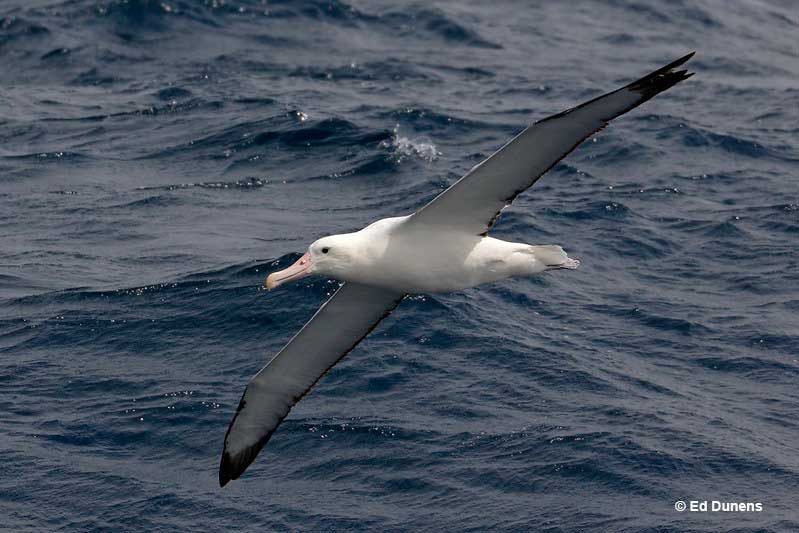
Harming or killing one is thought to invoke the wrath of the sea and bring misfortune. This belief is famously illustrated in Samuel Taylor Coleridge’s poem “The Rime of the Ancient Mariner,” where the killing of an albatross leads to disastrous consequences for the ship and its crew.
Peacocks
The main focus of the superstitions around the peacock is on the “eyes” of the bird’s extravagant tail feathers. In Mediterranean folklore, these markings were associated with the gaze of Lilith, a female demon believed responsible for the unexplained deaths of children.
This belief carried over to many Western traditions and became known as the evil eye. Conversely, Eastern cultures interpret the eye as a protective symbol. They believe that keeping peacock feathers in the house increases good luck and provides protection from evil spirits.
Blackbirds
Blackbirds are surrounded by various superstitions, often associated with mystery and magic. In some Christian traditions, blackbirds are associated with temptation and sin, likely due to their dark coloration. Celtic mythology views blackbirds as messengers from the Otherworld, often guiding souls or revealing hidden truths.
In European folklore, seeing a blackbird nesting near your home can signify protection from evil spirits. However, their sudden appearance is sometimes considered an omen of bad luck or death.
Killing a blackbird is believed to bring misfortune. Overall, despite their dark connotations, they are often seen as protectors and guides, including in Native American beliefs.
Seagulls
For obvious reasons, seagull superstitions are mostly connected to coastal communities and sailors.
Similarly to albatrosses, many sailors believed seagulls carried the souls of sailors who had died at sea, and it was considered bad luck to kill or harm a seagull. Touching one was even thought to potentially harm the deceased sailor’s soul it carried.
In some coastal cultures, seagulls were believed to be reincarnations of people who had drowned at sea. Their behavior was also used to predict weather changes, and still often are. Seagulls flying inland or staying away from the sea were seen as a sign of approaching storms.
Swans
Swans are often seen as symbols of true love and lifelong fidelity, as they typically mate for life. In some traditions, seeing a pair of swans together is considered a sign of a happy marriage or relationship. Some cultures associate hearing a swan’s song with impending death or tragedy.
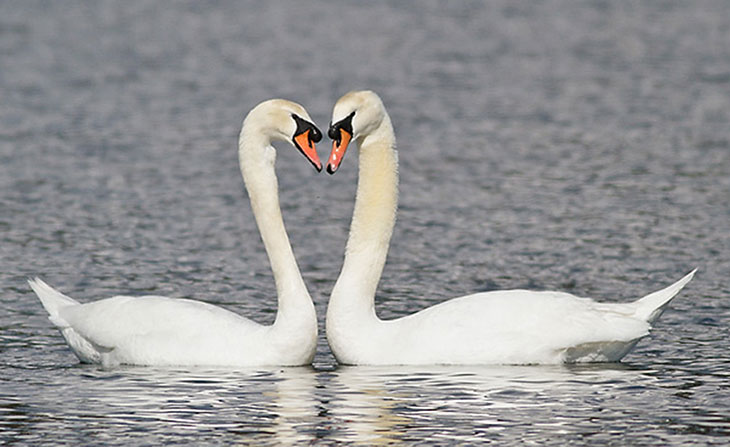
In England, all mute swans are traditionally considered property of the Crown. This has led to various superstitions about harming swans bringing bad luck or even legal consequences.
Wrens
One of the most well-known superstitions is that carrying a wren’s feather will prevent you from drowning. This belief is rooted in a myth about Chlíodhna, the Celtic sea goddess who lured sailors to their watery graves but transformed into a wren before the men could exact their revenge.
After praying to their gods, the goddess was forced to return once every year in the form of a wren to be killed by humans. That day, every male would hunt down every wren they could see and take feathers as a charm against drowning.
Owls
Across many cultures, owls are regarded as sacred birds and symbols of wisdom and knowledge. However, these nocturnal hunters, with their eerie hoots, definitely creeped people out because they are also believed to be omens of bad news.
Hearing an owl hoot is sometimes believed to predict the death of someone nearby.
Some Native American tribes also see them as evil spirits and in medieval Europe they were often associated with witches and dark magic. Seeing them during the day doesn’t make encountering them any better, at least according to superstition; it is still considered bad luck.
