

When I was a child and asked my grandmother where babies come from, she told me that storks deliver babies to parents who want them. Now, obviously, that is not true, but it is a cute way to evade getting into the nitty-gritty of the birds-and-bees-talk with a child who is too young to understand.
As I grew older, it made me wonder: why storks? Why not swans, for example? So, I did a deep dive into stork myths and symbolism, and here is an overview of it.
Stork Meaning & Symbolism
Across different cultures, the stork is predominantly seen as a positive symbol associated with birth, renewal, family bonds, longevity, and good fortune, although the specifics vary.
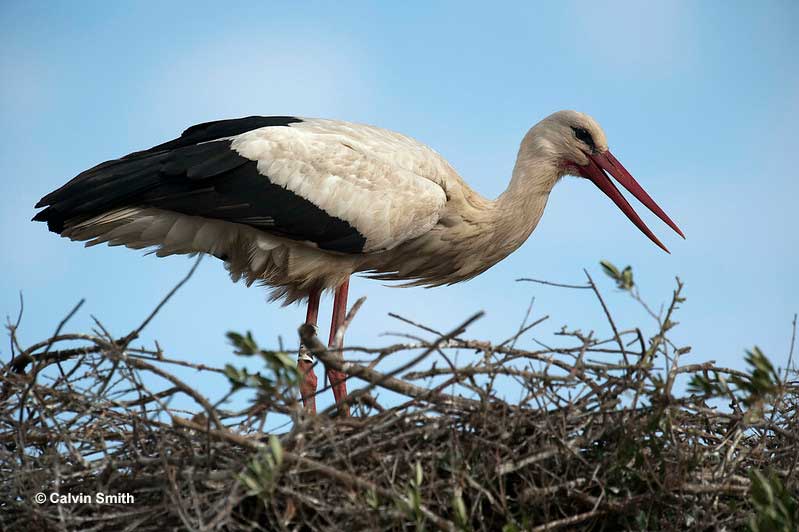
In Western cultures, storks are associated with fertility, family, and new life, with the belief extending at least as far back as Ancient Greece and Rome.
Storks are famously known as deliverers of babies, a belief popularized by 19th-century folklore and children’s stories. This connection likely stems from their migratory patterns coinciding with spring, the season of renewal, and their family-centered nature.
Christian iconography often depicts storks as symbols of virtue and protection against evil. Some traditions believe storks guard homes from harm, especially during childbirth, and a stork nesting on someone’s house is believed to bring good fortune to the household.
Other cultures, particularly China and Japan, see storks as symbols of longevity and immortality. They have relatively long lifespans compared to many other birds, often living for several decades, naturally associating them with these qualities.
What does it mean when you see a stork?
Seeing a stork can be interpreted in various ways based on cultural beliefs and personal perspectives. Still, such encounters are generally regarded as good omens. They are believed to land on the roofs of those expecting a new baby.
If one visits your home or makes a nest near your house, consider yourself lucky because that represents harmony within the household and protection against negative energies.
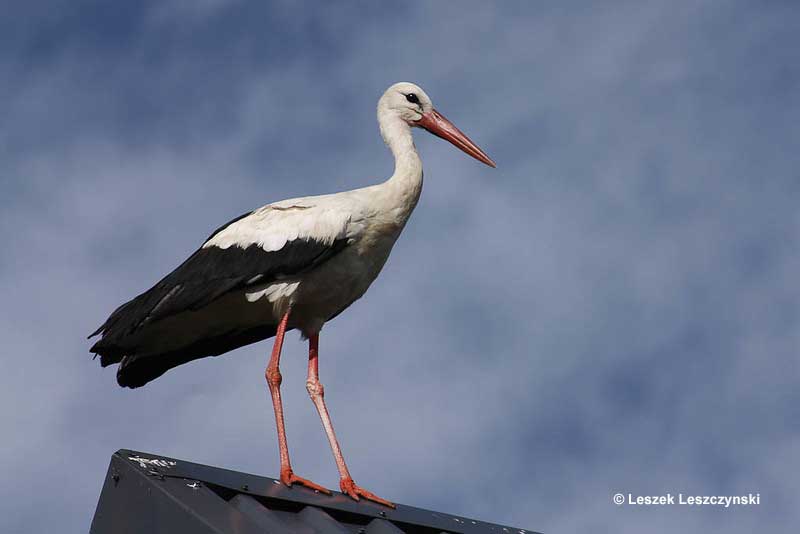
For older individuals, a stork’s presence signifies the importance of relying on younger family members for care, encouraging trust and graceful transition into a new life stage. On the other hand, when a younger person sees a stork, it might be considered a sign to start building their own home and family.
For those who are less family-oriented, storks symbolize rejuvenation and renewal, often associated with the arrival of new opportunities. Overall, seeing a stork is a positive sign, heralding good fortune, harmony, and new beginnings.
What does it mean when you dream of a stork?
Dreaming of a stork often has to do with matters of family, communication, and new opportunities. They are mostly good omens unless the dream is negative and filled with anxiety.
In that case, it reflects the dreamer’s own anxiety, communication struggles, or tension in close relationships. Similarly, an injured or dying stork warns of potential loss, urging you to take care of yourself and your loved ones.
On a brighter note, the most common interpretation is that it is a sign of imminent news about pregnancy or childbirth, indicating positive changes on the horizon. It may also signal the start of a new creative venture. A stork delivering a baby suggests a new phase requiring commitment, whether in life or creativity.
Similarly, a stork bearing gifts encourages the dreamer to prepare for new responsibilities. Helping a stork in a dream indicates a need to focus energy on important commitments.
Witnessing a stork flying overhead encourages resilience and a broader perspective during challenges. Dreaming of a stork circling you suggests restored calm and potential profit. Feeding a stork implies knowing the solution to a problem, while a stork gliding freely signifies a happy occasion.
Walking or flying with a stork symbolizes that you are in the care of a dependable, trusted friend.
Spiritual Meaning
Storks are often seen as symbols of birth and new beginnings, heralding positive change and the arrival of new life or significant new phases.
In some Native American tribes, the stork was recognized as a spirit guide supporting these transitions and new beginnings. This symbolism can manifest literally through pregnancy and childbirth. Even metaphorically – through the birth of new ideas, projects, or personal transformations.
Encounters with storks, whether in life or dreams, call individuals to embrace change and welcome new opportunities.
Spiritually, the stork emphasizes the importance of strong bonds with loved ones and a commitment to familial responsibilities. It teaches the value of nurturing and protecting one’s family, fostering a harmonious and stable home environment.
If your spirit animal is a stork, you are likely the “mom friend” in your group—highly empathetic and emotional. This nurturing nature helps create deep and meaningful connections. However, it can also lead to codependency or one-sided relationships where you carry most of the emotional load.
It’s important to set boundaries and stand up for yourself to maintain balance in your relationships.
Recognizing the spiritual guidance of the stork encourages embracing new beginnings, nurturing family ties, and navigating life’s transitions with grace and resilience. It reminds us to balance our care for others with self-care and to trust in the transformative power of renewal and rebirth.
Transition
A stork’s presence is often seen as a sign of impending change. In ancient Egyptian beliefs, storks were linked to the concept of Ba, the aspect of the soul that continues in the afterlife, symbolizing the transition between life and death. Thus, they are also seen as guides supporting individuals through those transitions.
Their association as harbingers of significant transitions most likely comes from their migratory nature. Storks are known for their long-distance migrations, traveling thousands of miles between breeding and wintering grounds. For some, this migratory behavior represents the journey through life’s changes and transitions, the cyclical nature of life, and the transitions between different stages.
Birth
Storks are associated with delivering babies due to a combination of mythological stories and natural behaviors. This symbolism dates back to Greek mythology, where storks were linked to stealing babies, and Egyptian mythology, where they represented human souls, so the bird’s return was a sign of a soul returning.
In Europe, grown-ups often tell children that storks bring babies when children ask where babies come from.
The legend of storks bringing babies likely began in Germany, where their return from the wintering grounds coincided with the birth of many babies conceived during the previous year’s summer solstice celebrations. This natural behavior reinforced the myth that storks delivered newborns, blending folklore with observed patterns.
New Beginnings
Storks are closely associated with birth and fertility with folklore widely depicting them as deliverers of babies, directly linking them to the idea of new life and new beginnings. This symbolism extends beyond literal birth to encompass the start of new projects, ideas, and life phases.
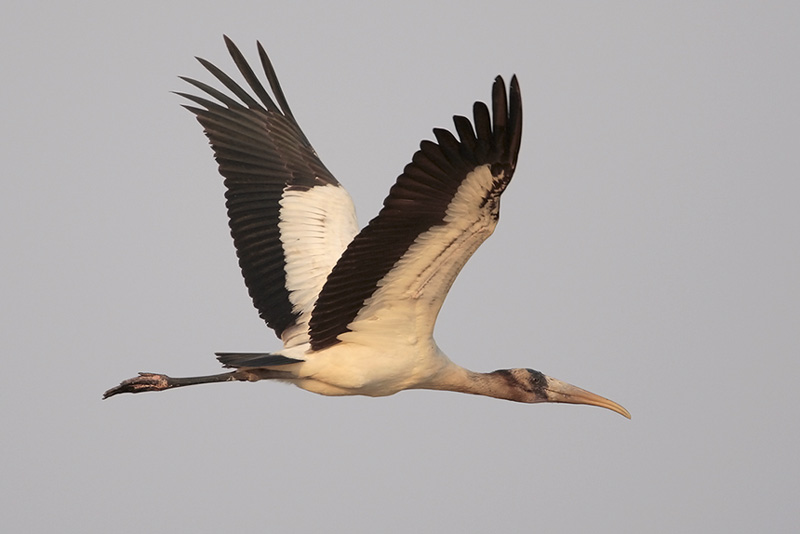
The stork’s migratory behavior represents movement, renewal, and the cyclical nature of life.
Their annual return signifies the arrival of spring and the rebirth of nature, further reinforcing their connection to new beginnings and the promise of fresh starts.
Stork Tattoo Meaning
The specific meaning of a stork tattoo can vary depending on personal interpretation and cultural background. However, they are most commonly dedicated to family, representing dedication, gratitude, or the desire to start one. As they are associated with birth, a stork tattoo can symbolize fresh starts or significant life changes.
Storks are often seen as symbols of a bright future and the promise of happiness. They are considered talismans and positive symbols, representing protection for the home and family. Some people choose stork tattoos to signify overcoming negative forces or deceit in their lives.
Additionally, storks can symbolize spiritual transformation and the ability to adapt to life changes. In some cultures, particularly Asian cultures, they are also used to represent long life and wisdom.
Frequently Asked Questions
Are storks good luck?
Storks are considered symbols of good luck in many cultures, representing new beginnings, protection, and happiness.
Are there any myths about storks?
Yes, many myths surround storks, including the well-known European folklore that storks deliver babies. In Greek mythology storks were believed to steal babies. However, in ancient Egyptian mythology, storks represented the soul’s return, symbolizing rebirth and renewal.
Does the story of ‘storks carrying babies’ tie back to European cultures?
The story of storks carrying babies ties back to European cultures, particularly German folklore, where it was popularized as a tale to explain childbirth to young children.
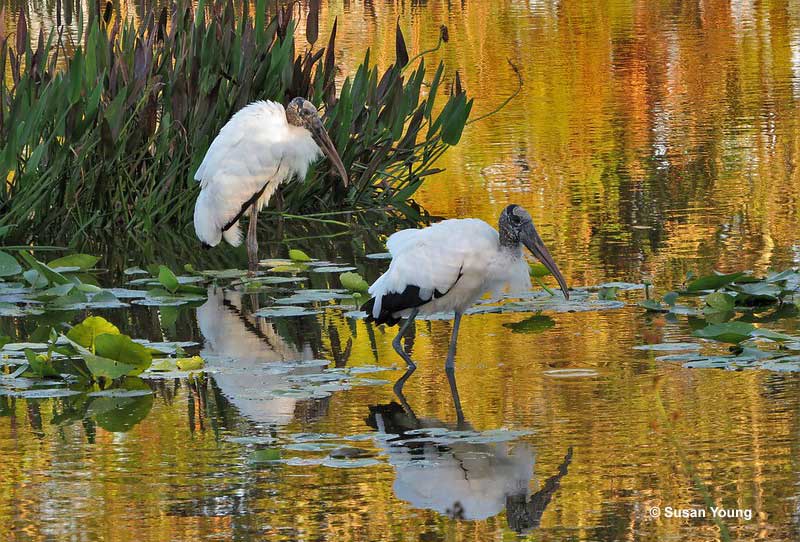
What do Wood Storks symbolize?
Wood Stork symbolism largely aligns with the overall stork symbolism.
Conclusions
Storks represent new beginnings, family, and transition, reflecting our own experiences of growth and change. Their association with delivering babies makes them symbols of new life and fresh starts, whether it’s the literal birth of a child or the beginning of a new chapter in one’s life.
Storks’ strong family bonds and dedicated parenting mirror our values of nurturing and protecting our loved ones. Their migratory patterns, traveling vast distances and returning to the same nesting sites, symbolize the cycles of life and the resilience required to navigate change and transition.
They encourage us to embrace change with grace and to cherish our family and loved ones.
