

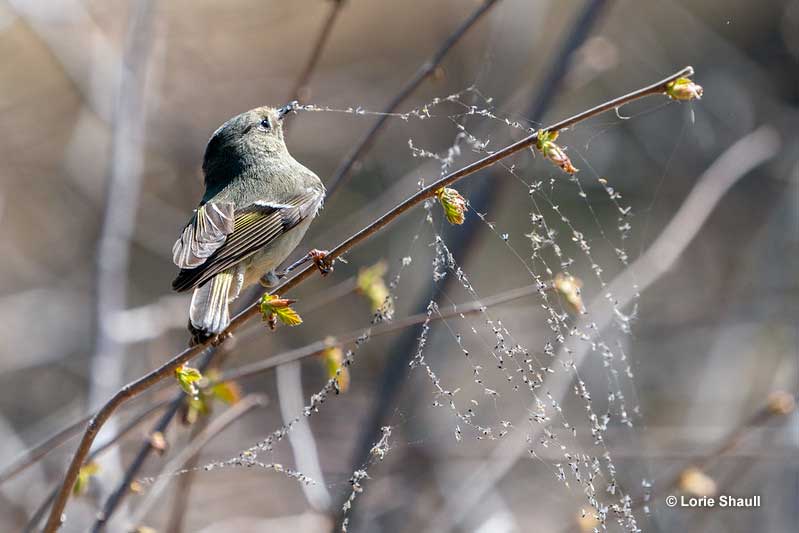
Birds are an essential part of my life but they are even more important for nature. Without them, caterpillars would strip trees of foliage, crops would be devastated, and gardening would be impossible.
Birds do us a big favor by eating insects and other problematic animals.
But which ones do they eat? How much of an impact do birds make? Let’s find out!
Do Birds Actually Help With Harmful Bugs?
Birds eat plenty of insects, but can they help get rid of the bad ones? Those would be bugs like mosquitoes, flies, caterpillars, and the many other insects and tiny animals that wreak havoc on gardens and crops.
To put it plainly, yes, birds eat a huge number of harmful bugs. Some species feed on troublesome insects more than others but most insectivorous birds have an impact on their numbers.
Birds are fantastic for keeping “bad bugs” in check because they literally can’t stop eating them. Literally hundreds of bird species in North America feed on grasshoppers, mosquitoes, larvae, and other insects.
Even better, they eat more insects when the bugs are at their highest abundance. That’s no coincidence. In part, birds are believed to have evolved to migrate to North America for the warm months so they can take advantage of the high numbers of insects.
It’s a massive amount of food that adult birds can eat as well as feed to their young. There’s so much insect food going around, many species raise two or three broods in the summer!
Even Northern Cardinals and other birds that eat seeds at other times of the year eat lots of harmful bugs in the summer!
Harmful Pests That Birds Eat
Termites
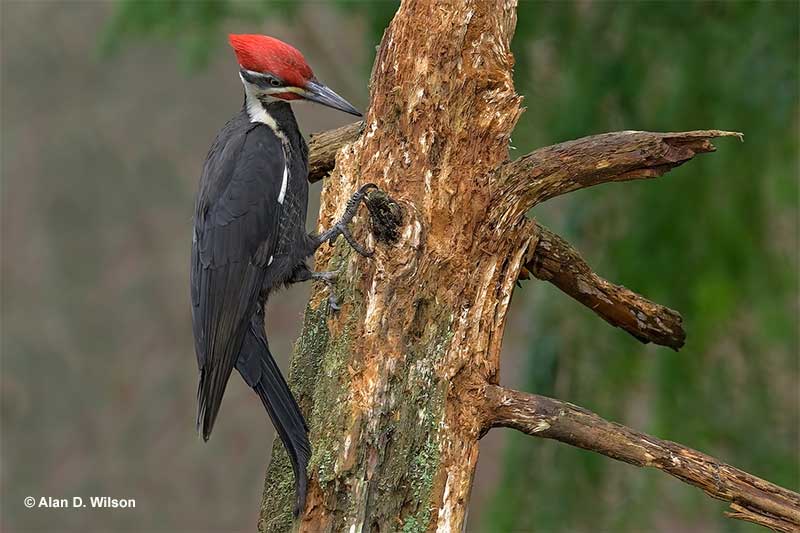
Birds that eat them: swifts, starlings, martins and other swallow species, and woodpeckers
Termites can be a real problem in tropical and warm climates. In the USA, they can range as far north as Wisconsin but are far more common in California and the southeastern states. In the wild, these unique little insects break down and remove dead and decaying wood by simply eating it!
Their unique diet helps keep woodland, forest, and even grassland ecosystems healthy. Lots of other animals also rely on termites for food.
However, when termites decide to eat the wood in your house, they aren’t as welcome! Luckily, woodpeckers and several other birds love to eat them and will happily keep them at bay.
Cabbage Worms, Cutworms, and Other Larvae
Birds that eat them: sparrows, vireos, finches, buntings, mockingbirds, cuckoos, and many other insectivores.
Anyone who has grown cabbage and other vegetables is probably familiar with these caterpillars! True to their name, green Cabbage Worms love to eat cabbage along with broccoli, kale, and related vegetables.
Cutworms and other caterpillars also attack those plants along with various other vegetables. We can’t blame them for their taste, after all, we love those vegetables too! However, we can blame them for devouring our vegetable gardens.
Fortunately, lots of birds love to eat these pests. Make your garden a friendly place for finches and other birds and they should clean up most of those larvae!
Whiteflies and Aphids
Birds that eat them: chickadees, small woodpeckers, warblers, nuthatches, and wrens.
Big caterpillars can cause serious plant damage but tiny insects can be just as bad! A few aphids or whiteflies won’t cause many problems but hundreds can severely injure and kill your plants.
To recognize these small insects, take a close look at your garden plants. See any tiny white or green bugs? If so, unfortunately, you probably have a Whitefly and aphid infestation.
At least small birds love to eat them! Downy Woodpeckers pick them off bark and twigs, while House Wrens and other wren species pick them from garden plants.
Best of all, colorful warblers and kinglets also like to snack on them!
Grasshoppers
Birds that eat them: bluebirds, robins, cardinals, mockingbirds, starlings, and sparrows.
Grasshoppers are pretty neat insects. However, some of them can be real garden pests. They mostly affect plants like soybeans, cotton, rice, and other crops but can also feed on carrots and other garden vegetables.
These insects can cause problems in all sorts of places but tend to be worse in regions with grasslands like the central states and provinces. They are also more likely to feast on garden plants when they become abundant.
Fortunately, lots of birds like to eat grasshoppers. Bluebirds, robins, and mockingbirds will chase them down in open areas, and cardinals will feast on them in your garden.
Earwigs

Birds that eat them: chickadees, wrens, cardinals, sparrows, and grosbeaks.
Earwigs are those funny looking, flat insects with pinchers on the rear part of their body. If they look sort of prehistoric, they are! There are fossils of earwig-like insects that date back more than 200 million years.
Modern earwigs don’t look much different than their ancient relatives and probably live in similar situations; spots with humid and wet soil.
Although they aren’t as bad as some other pests, earwigs can still damage herbs, young plants, flowers, and fruit.
Many birds will eat them, especially birds that forage on and near the ground like sparrows, cardinals, and wrens.
Grubs
Birds that eat them: crows, grackles, robins, woodpeckers, and turkeys.
Grubs are the thick larvae of beetles and various other insects. Unlike caterpillars, grubs live under bark and in the soil. The ones that live in trees can weaken and damage them by feeding on the tree itself while grubs that live in soil damage plants by feeding on their roots.
They can cause harm to a variety of plants including species used for landscaping and plants that provide us with vegetables.
Fortunately, grackles, robins, and mockingbirds eat a lot of grubs. If you see any of these birds poking their beaks into the ground, they’re probably hoping to catch a tasty grub!
Slugs and Snails
Birds that eat them: starlings, robins, sparrows, crows, and jays.
Slugs and snails can be common garden pests. Both like to feed on soft and tender leaves and can also damage vegetables and flowers.
Since they can also carry dangerous parasites, it’s not a good idea to touch snails and slugs, and we should never, ever eat them raw! Fortunately, that’s not the case for birds. These slimy little animals play important roles in the diets of several birds; leave the snails and slugs to them!
Mosquitoes

Birds that eat them: martins and other swallow species, swifts, flycatchers, and hummingbirds.
Mosquitoes are a special type of pest. While caterpillars and bugs eat our vegetables, mosquitoes try to feed on us!
If sucking our blood and leaving an itchy bite wasn’t bad enough, some mosquitoes can also carry dangerous diseases. We definitely don’t want them anywhere near our backyards or homes! Unfortunately, in the summer months, they can be pretty hard to control.
Instead of using horrendous bug-zappers that eliminate beneficial bugs instead of mosquitoes, try making habitat for birds. In particular, hummingbirds and flycatchers do a great job eating lots of mosquitoes in the backyard while swifts and swallows eliminate them overhead.
How To Attract Birds To Your Garden?
For bird pest control, we need to welcome our avian friends into our gardens. First and foremost, forget about pesticides. While those chemicals can kill off pests, they also eliminate everything else.
That includes beautiful butterflies, ladybugs, other beneficial insects, and all the birds that feed on them. Instead of sterilizing the backyard with chemicals that might also be bad for people, make a bird-friendly yard.
Gardens and yards that attract birds are ones that provide them with some key features. They need places where they can roost and feel safe, plenty of food, and will love a garden where they can also bathe.
Give birds a home by planting native vegetation, especially species that produce seeds and berries. As long as they won’t be a hazard, leave a good number of trees, including ones with dead branches. We can also plant key flowering bushes to provide food for hummingbirds.
As a bonus, let part of the yard grow to attract bluebirds, goldfinches, and sparrows.
Birds will come to those natural habitats, but we can increase the ante even more by putting up seed feeders and a hummingbird feeder. Include a bird bath or other water feature, and you’ll have a fantastic, bird-friendly garden!
Read next: How to make your garden safe for birds