

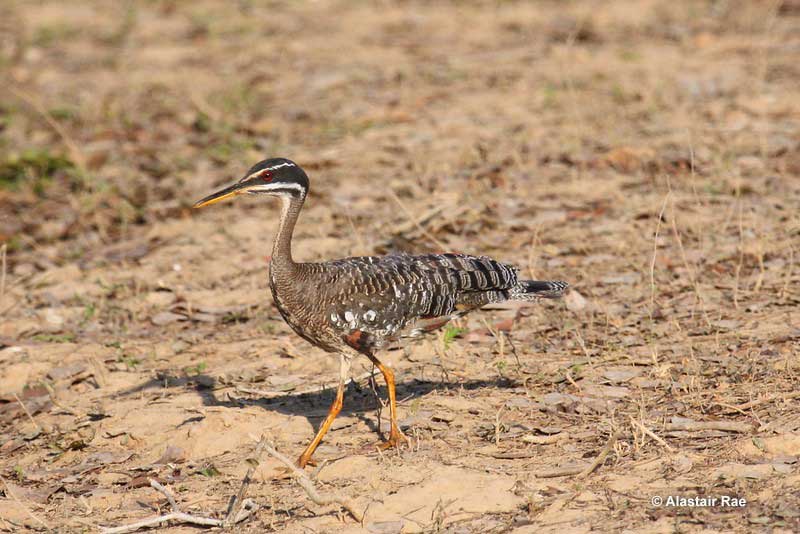
Nobody likes it when it gets really hot, especially creatures that don’t have AC to cool them down, including birds. You may see them retreat to the shady areas of your garden or seek out puddles of water.
But how exactly do they cool off, and how can we help? Let’s find out!
Birds Do Not Actually Sweat
Birds, like all warm-blooded creatures, need and are generally able to maintain a more or less constant body temperature regardless of the surrounding environmental conditions.
This thermoregulation is essential for their survival, as it allows them to thrive in diverse climates, from the scorching deserts to the frigid arctic regions.
On average, a bird’s body temperature is slightly higher than that of humans, typically ranging from 102 °F to 109 °F. This temperature can vary by species, activity level, and environmental conditions, with smaller birds often exhibiting higher body temperatures compared to their larger counterparts.
Balancing heat production with heat loss is the key to maintaining a stable body temperature. However, this becomes challenging when the external temperature approaches or exceeds their body temperature, making traditional methods of heat loss less effective.
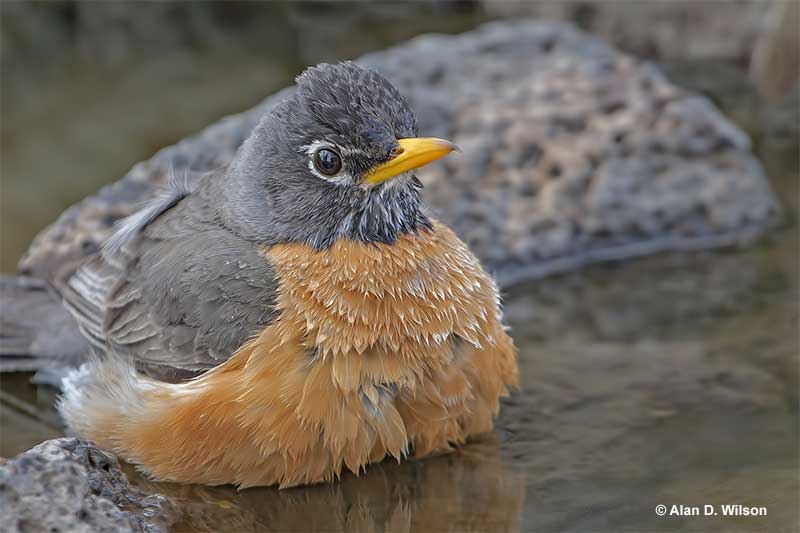
For mammals, including humans, sweating is a primary mechanism for cooling through the evaporation of water from sweat glands. However, birds lack sweat glands and cannot sweat, necessitating the use of alternative strategies for thermoregulation.
Ways birds cool off during summer
Directing blood flow
One of the techniques birds use to cool down is the strategic direction of blood flow within their bodies.
During hot weather, birds can direct more blood flow to the extremities that are less insulated than other parts of their bodies where heat can be dissipated more effectively. This process helps to cool the blood before it returns to the core, thus aiding in overall temperature regulation.
For example, some birds even direct blood flow to their bills to cool down. A study conducted on Marsh Sparrows in 2011 found that bill size correlates with outside temperatures. Those with larger bills were found in warmer climates since the larger surface area allows them to dissipate heat more effectively.
Panting
Panting, also known as gular fluttering, is one of the most common and effective thermoregulatory behaviors in birds for dissipating excess heat and cooling their bodies.
Birds open their mouths and rapidly breathe, similar to how dogs pant, to release heat and moisture. Some birds enhance this cooling effect by vibrating the thin membranes in their throat.
While effective, this behavior can lead to respiratory alkalosis due to the loss of CO2, potentially causing dizziness or confusion.
Bathing
When birds bathe, they often dip their bodies, splash water onto their wings and backs, or immerse themselves in water sources. They prefer shallow water for bathing, typically no deeper than 1-2 inches.
For instance, you might see sparrows joyfully fluttering in a birdbath, splashing droplets everywhere, or finches delicately dipping into a puddle, carefully wetting their feathers. As the water evaporates from their feathers and skin, it absorbs heat from the bird’s body.
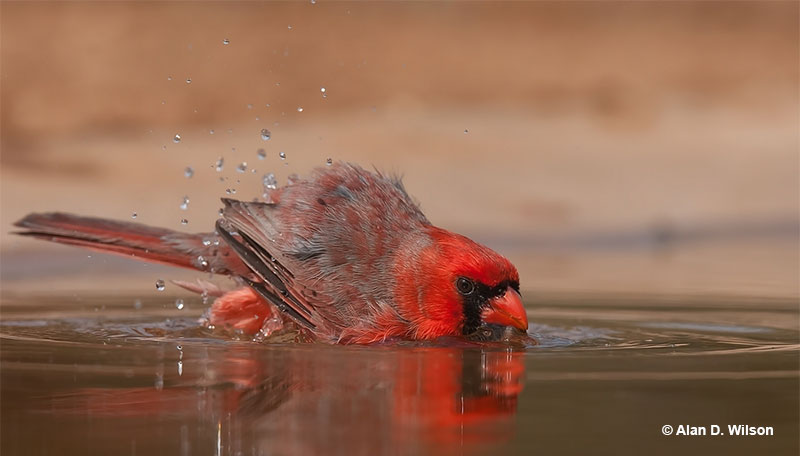
This evaporative cooling effect is similar to how sweating works in mammals, although birds achieve it through external water sources rather than internal sweat glands.
Urohidrosis
Urohidrosis is a cooling mechanism used by certain bird species where they excrete onto their legs to lower their body temperature.
As this liquid evaporates from the surface of their skin, it removes heat, effectively cooling the bird down. The evaporative cooling process works because the liquid absorbs a significant amount of heat energy from the body to transition from liquid to gas, thereby reducing the bird’s body temperature.
Not all bird species do this, though. It can only be observed in certain ones, particularly long-legged birds such as storks or vultures.
Staying in shade
Have you noticed that during hot days, you are not the only one retreating to the shadowy embrace of shade?
Birds, such as sparrows and finches, do that as well. Seeking shade is a simple yet effective strategy for birds to manage their body temperature. By positioning themselves in shaded areas, they can significantly reduce their exposure to direct sunlight and high temperatures.
This behavior not only helps them stay cool but also conserves their energy since they don’t need to use more energy-intensive cooling behaviors like panting.
Spreading their wings
During intense heat waves, you might see birds standing with wings spread, appearing dazed. Sometimes, even when not visibly stunned, they still hold their wings apart.
By spreading their wings, birds expose more of their body surface to the air, allowing for greater heat dissipation. Wing-spreading also reveals areas of bare skin, particularly under the wings, which facilitates more efficient heat loss.
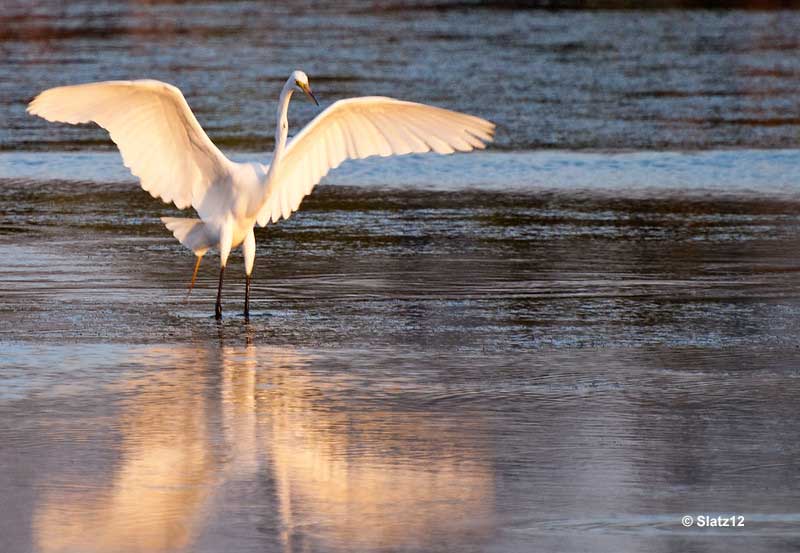
In some cases, spread wings may act as a heat shield, protecting the bird’s body from direct sunlight while allowing cooler air to circulate underneath. This behavior is particularly common in larger birds like vultures, cormorants, and storks, but is also observed in smaller species. Great Blue Herons also hold their wings over nestlings to protect them from the heat.
Soaring higher
Birds soar high in the air for various reasons, including to avoid overheating. This is especially common in larger birds of prey, such as eagles, hawks, and vultures. They have a high metabolic rate, especially when flying, which generates significant body heat. So, it wouldn’t make sense to make it harder for yourself and fly higher, right? Technically, yes, but there’s a catch.
Soaring birds take advantage of thermal updrafts (rising warm air) or orographic lift (air pushed upward by terrain), allowing them to maintain altitude without much wing flapping. This conserves energy and generates less heat.
Read more: How can birds physically fly?
Additionally, as birds soar to higher altitudes, the air temperature decreases. The cooler air helps in dissipating the heat generated by their bodies during flight.
Ways To Help Birds With Hot Weather
There are various ways to help our feathered friends cope with heat. One of the most crucial steps is to provide ample water sources. Setting up shallow bird baths or dishes filled with clean, fresh water is a simple yet effective way to help them stay hydrated and have a place to bathe in. Adding ice to these baths can keep the water cool and inviting. Moving water, created by drippers, misters, or fountains, is especially attractive to birds.
You may also set up bird feeders with a variety of seeds, fruits, and insects to provide extra nourishment. Planting native plants and trees kills two birds with one stone (apologies for the phrasing) – they offer natural shade and may offer berries, fruit, and seeds to snack on.
Timing is also an important factor to consider. Birds are most active during the cooler morning and evening hours. Providing food and water during these times ensures that birds have the necessary resources when they need them most, helping them conserve energy and stay hydrated throughout the day.
Frequently Asked Questions
What temp is too hot for birds?
In general, when temperatures exceed 104°F, many birds will start showing signs of heat stress. However, keep in mind that there isn’t a single temperature that is universally too hot for birds, as different species have adapted to different climates.
How to tell if a bird is too hot?
Some signs that signal that a bird is too hot include panting, wing spreading, reduced activity, and signs of distress such as lethargy and disorientation.
Can birds have a heat stroke?
Birds can have a heatstroke, especially if they are exposed to high temperatures without access to shade or water.
How to help a bird that is having a heatstroke?
If you discover a bird that is having a heatstroke, immediately move it to a cool and shaded area, gently mist the bird with cool water, and provide water. If at hand, place frozen water bottles or ice packs wrapped in cloth near the bird, but keep a close eye on it to avoid overcooling.
