

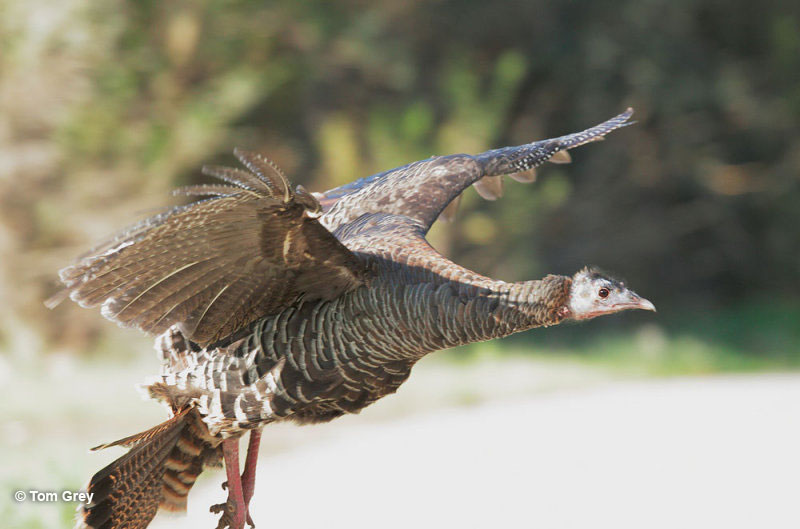
Birds are remarkable fliers, with some species soaring as high as airplanes, demonstrating exceptional adaptations for endurance, survival, and navigation. However, most often, birds do not fly at such heights. So, what does it depend on? What makes some species so different? Let’s find out!
How High Can Birds Fly?
Birds can reach astonishing altitudes, with the highest recorded flight being a Rüppel’s Vulture, which collided with an airplane at 37,000 feet in 1973. The Common Crane can soar up to 33,000 feet during migration, while the Bar-headed Goose has been reported to fly over the Himalayas at around 29,000 feet.
However, not all birds fly that high. The flight altitude depends on several factors, including the species and the purpose of the flight, including migration, foraging, territorial defense, and courtship displays. Foraging flights usually occur at lower altitudes where food sources are abundant, but this varies with species, diet, and foraging strategies.
Small birds, which mainly eat terrestrial insects or seeds, tend to fly closer to the ground, utilizing the protective cover of tree canopies or brush.
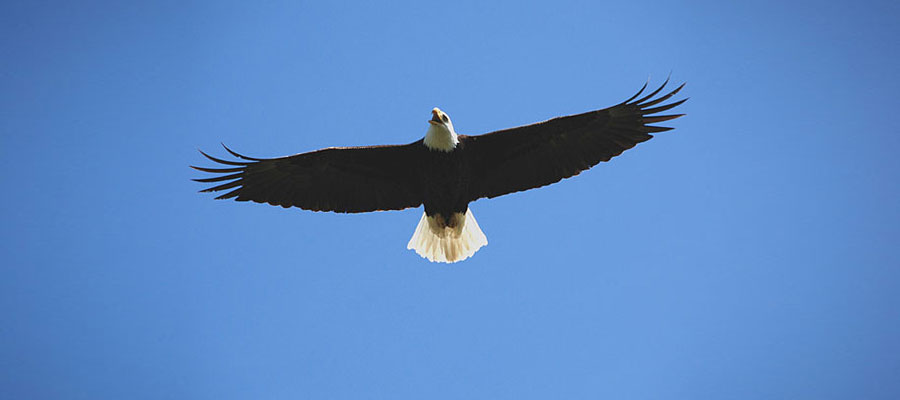
Birds of prey, like eagles and hawks, often fly at altitudes ranging from a few hundred to a few thousand feet while hunting to spot and dive onto prey. Vultures rise over 10,000 feet to scan larger areas for food and observe the behavior of distant vultures for clues about carcass locations.
Swallows and swifts typically stay between 10 to 100 feet where insects are abundant, but even then, you can see some “layering”: swallows go for larger flies at lower altitudes, whereas swifts feed far above the ground.
Environmental conditions, such as weather patterns, wind currents, and geographical barriers, also play a significant role. For instance, in bad weather, swallows hunt at lower altitudes because insects are closer to the ground.
Migratory birds often reach higher altitudes to take advantage of stable wind conditions and avoid predators. Seasonal changes influence altitudinal flight patterns, with some species flying higher in spring and autumn during migration. Territorial and courtship flights can involve dramatic aerial displays but typically occur within a localized range.
Does Size Matter?
Size significantly influences a bird’s ability to fly, but it is not the only factor. It has more to do with the species’ wing loading capacity – the maximum weight the bird’s wings can support and still generate enough lift for flight, determined by their wing area and wing design – and their physiological adaptations.
Generally, larger birds with high wing loading capacity, like eagles, can generate more lift even in thinner air. They combine flapping and soaring to maximize lift generation and utilize updrafts rather than their muscles to climb that high.
Conversely, smaller birds can maneuver more easily and often have faster wing beats, but they might struggle to reach and maintain high altitudes due to how their wings are built and limited energy reserves.
The structure of a bird’s wing also affects the species’ flight ability, or rather, it influences how they fly.
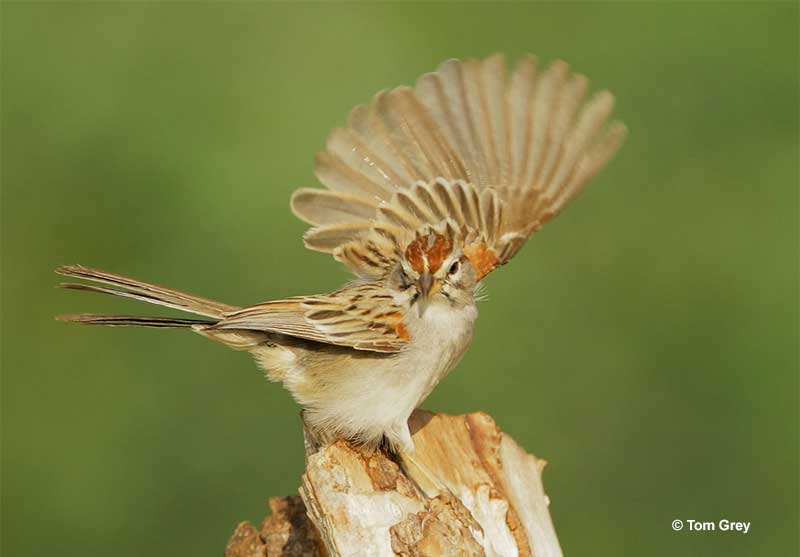
In essence, the wing resembles the human hand, although the proportions of the bones differ between bird species. The hand section of the wing plays a crucial role in providing dynamic control for the bird and constitutes around 80% of the wing length in smaller birds that navigate through constrained environments.
The hand section is proportionally smaller in larger birds that primarily engage in soaring, gliding, or slow flapping. Instead, the wing is governed by the arm bones that extend from 40% to 60% of the wingspan.
Related: Birds with longest wingspans
The most crucial aspect is the species’ physiological adaptations. Species like the Rüppell’s Vulture and Bar-headed Geese have highly efficient oxygen-binding hemoglobin, allowing them to thrive in low-oxygen environments. Birds with increased lung capacity, higher red blood cell counts, and more efficient mitochondria can cope better with low oxygen levels.
What Happens If A Bird Goes Too High?
When a bird flies too high, it encounters several challenges that can severely impact its survival. One of the primary issues is the reduction in air density at higher altitudes. As the bird ascends, the air becomes thinner, providing less oxygen.
Birds rely on oxygen for their metabolic processes, and a significant reduction can lead to hypoxia, a condition where the body is deprived of adequate oxygen supply. Hypoxia can cause disorientation, loss of consciousness, and eventually death if the bird cannot descend to a safer altitude quickly.
Additionally, the temperature drops significantly at higher altitudes. Most birds have feathers that provide excellent insulation against cold, but there is a limit to this protection. In extremely cold conditions, birds can suffer from hypothermia. Their muscles may become less efficient, and their flight capabilities can be impaired.
Another critical factor is the decrease in air pressure. Lower air pressure means less lift generated by the bird’s wings.
Birds are adapted to fly efficiently within certain altitude ranges where the air pressure and density are suitable for their wing structure and flight mechanics. At very high altitudes, the reduced air pressure makes it increasingly difficult for birds to maintain lift and control their flight.
This can result in exhaustion as the bird must work harder to stay aloft, leading to an increased risk of fatal descent if they cannot sustain the necessary energy output.
Hidden Dangers
High-altitude flight offers birds a unique vantage point, but it also harbors hidden dangers that can prove perilous. One of the most significant dangers is the reduced oxygen levels at high altitudes.
Birds, especially those not adapted for such heights, may experience hypoxia, a condition where their tissues don’t receive enough oxygen. This can lead to disorientation, impaired motor functions, and even loss of consciousness.
Species like the Bar-headed Goose, which migrate over the Himalayas, have developed specialized adaptations to cope with low oxygen levels.
Temperature extremes present another threat. The higher a bird flies, the colder it gets. Inadequate insulation or energy reserves can lead to hypothermia. Some birds manage this by having a higher metabolic rate or by flying at times of the day when temperatures are more manageable.

Aircraft collisions pose a modern danger to high-flying birds. With the increase in air traffic, the risk of mid-air collisions has grown, potentially causing fatal injuries to birds and even damaging aircraft.
These incidents are particularly hazardous during migration seasons when large flocks travel together at high altitudes. However, generally speaking, these kinds of accidents are more common during takeoff and landing.
Frequently Asked Questions
What bird can fly the highest?
The Rüppell’s Vulture holds the record for the highest flight, having been observed at an altitude of 37,000 feet.
Can birds fly above the clouds?
Some birds can fly above the grounds, with species like the Bar-headed Goose and the Rüppell’s Vulture known for reaching altitudes well above typical cloud levels.
Do birds fly as high as planes?
While some birds can fly as high as planes, then most birds generally fly much lower.
How high can an eagle fly?
Eagles can fly at impressive heights, with some species flying up to 10,000 feet or even as high as 19,000 feet, although that is not as common.
What happens if a bird flies too high?
If a bird flies too high, it risks experiencing hypoxia, extreme cold, and disorientation due to the reduced oxygen levels and harsh conditions at high altitudes.
