

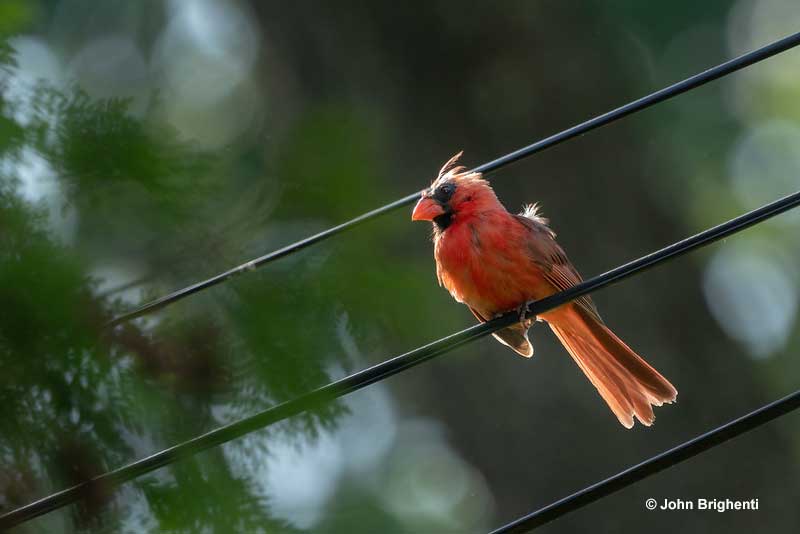
Molting in birds is the process of shedding and regrowing feathers to replace old, worn, or damaged ones. This involves the systematic loss of feathers, followed by the growth of new ones, typically triggered by hormonal changes, seasonal cycles, and environmental conditions.
But why exactly do birds molt? Let’s find out!
Reasons Behind Molting
Birds molt for several reasons but it all boils down to two main ones. The first reason is that they need to change plumage for different seasons or life stages.
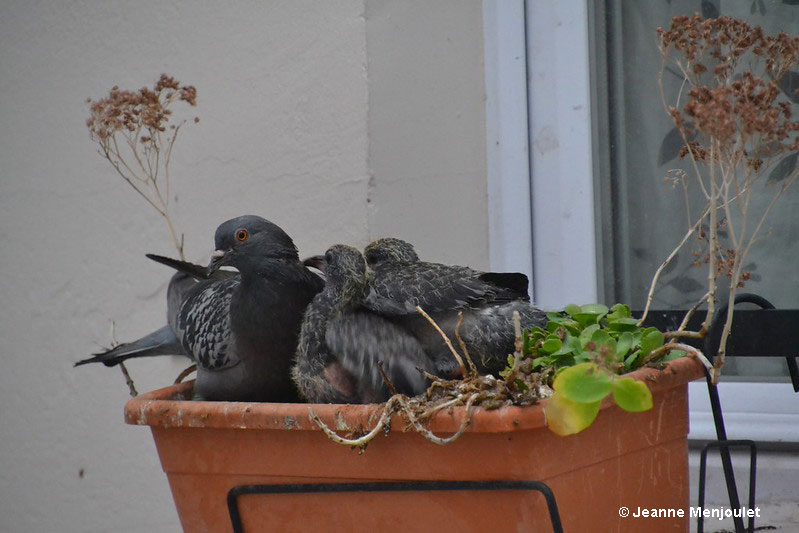
Juvenile birds initially have a downy and then juvenile plumage for a while after fledging, which provides them with warmth and enhanced camouflage.
Young non-breeding birds are often dull, brown, and streaked, as you may have noticed, to help them blend into their environment. As they grow, they transition to their adult plumage that serves other purposes.
© Jeanne Menjoulet
Many species exhibit distinct breeding and non-breeding plumages that are also known as alternate plumage and basic plumage respectively according to the Humphrey-Parkes system.
This labeling can be a bit confusing as it labels the bright summer plumage as an alternate, despite it being the more noticeable one. However, the summer plumage is called alternate because birds only wear these vibrant feathers for a small part of the year. The rest of the year, they are in their basic, non-breeding plumage.
Generally speaking, non-breeding plumage emphasizes camouflage whereas the male’s breeding plumage is vibrant to attract mates.
The second reason is that birds need to replace worn or damaged feathers. Feathers, made of keratin, cannot repair themselves once damaged. They become frayed and worn down due to abrasion, sunlight, and other environmental factors. Molting allows birds to shed these degraded feathers and grow fresh, healthy ones.
The molting process starts with the bird shedding old feathers and growing pin feathers to replace them. As these pin feathers mature into full feathers, other feathers are shed in a cyclical and symmetrical manner, ensuring balanced feather loss on each side of the body.
Frequency
The timing and frequency of molting in birds vary based on species and environmental conditions. Many bird species, like chickadees, flycatchers, hummingbirds, hawks, and swallows, undergo a single complete molt annually. This often occurs after the breeding season but before migration when the bird can afford the energy expenditure required for feather replacement.

For many North American species, the prime molting time falls somewhere between July and early August.
Other bird species go through one complete molt after the breeding season and a partial molt before the breeding season. This partial molt helps them renew their body feathers and display vibrant breeding plumage.
Although less common, some go through two complete molts per year. As a rule, these species live in environments that cause significant wear and tear on the feathers.
Larger birds, such as eagles and pelicans, handle molting differently due to the high energy cost of replacing their sizeable flight feathers. Instead of a complete annual molt, they replace their flight feathers in a staggered manner over a year or more.
This gradual replacement process ensures they are not left vulnerable with too many missing feathers at once and can continue to fly efficiently.
Does Molting Help Determine A Bird’s Age?
Determining the age of a bird based on molting patterns and plumage is possible, especially in the early stages of its life. Young birds usually have distinct juvenile plumage, which they molt out of within their first year. Different species also show different wear and markings at different stages of their life.
Some species, however, take multiple years to acquire their adult plumage and have multiple intermediate molts in between. For example, Bald Eagles take five years to fully molt into their adult plumage.
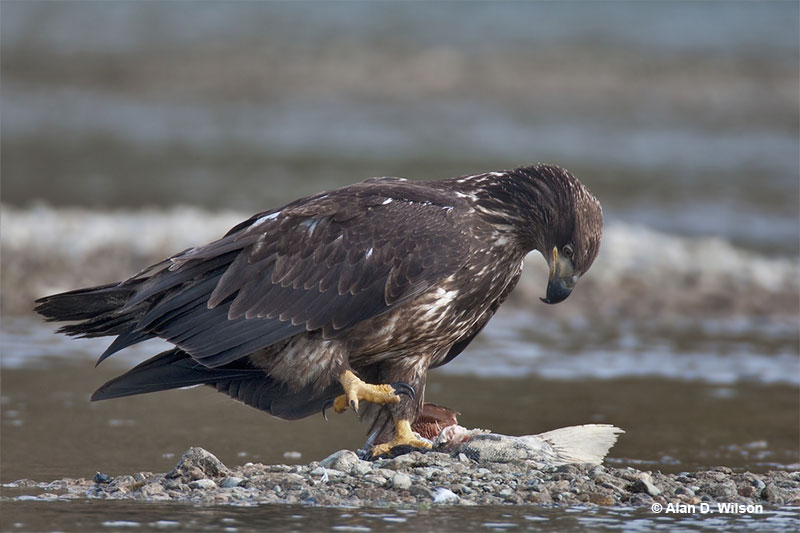
This Bald Eagle looks more like a Golden Eagle, but in reality, it hasn’t molted to its adult plumage yet.
Juveniles are dark brown overall and have white feathering; second years are strongly mottled brown and white. Third years remain mottled, but their heads lighten. In their fourth year, their bodies become mostly dark and their heads and tails white, although there are still some dark spots.
In summary, molting patterns and plumage changes are most effective for determining the age of younger birds.
Beyond this stage, determining the exact age becomes more challenging without detailed knowledge of the species’ long-term molting patterns or other identifying features. For some larger or long-lived species, age determination can extend further into adulthood based on specific molt cycles and feather characteristics.
Frequently Asked Questions
What triggers bird molting?
Bird molting gets triggered by hormonal changes, environmental conditions, age and life stages, and breeding cycles.
Is molting painful for birds?
Molting can be uncomfortable for birds, but it is generally not considered truly painful.
How long does a bird molt last?
The duration of a bird’s molting process can vary significantly depending on the species and the extent of the molt. Partial molts can take as little as 2 weeks while complete molts 4-6 weeks. Larger birds tend to replace their feathers in a staggered manner so a full molt may take months or even a year.
Is molting good for birds?
Molting is a good and essential process for birds since it replaces worn or damaged feathers and helps them don the appropriate plumage for the specific stage of their life.
Do birds molt when stressed?
Birds still molt when stressed, but high stress levels can disrupt and negatively impact the molt, leading to abnormal feather loss, stunted re-growth, or visibly damaged feathers.
