

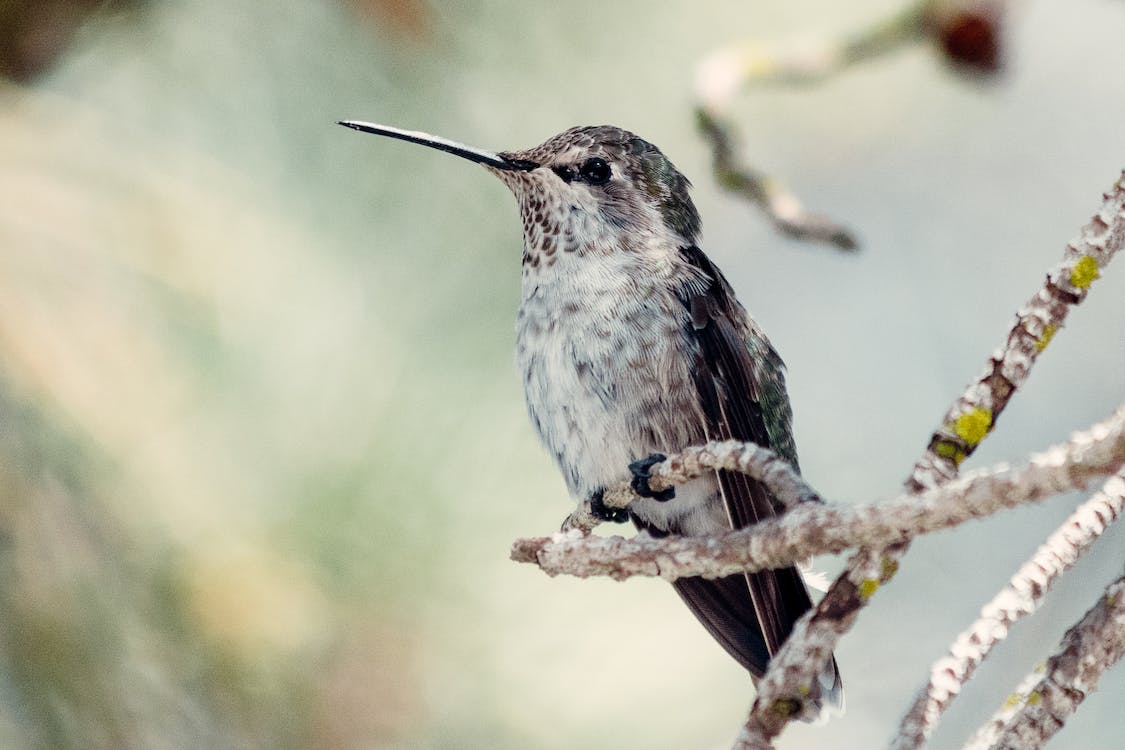
If you live in Texas, you already know hummingbirds are more than a seasonal treat. Several species migrate through the state, but the Black-chinned Hummingbird is the most common breeder.
Ruby-throated and Rufous Hummingbirds also pass through in large numbers, while Allen’s, Calliope, and Broad-tailed appear in smaller groups.
Their cycle is shaped by Texas’s size and geography. Some arrive in spring and stay through the summer to nest.
Others use the state only as a stopover, resting and refueling before pushing farther north. In the fall, the process reverses, and Texas becomes one of the busiest hummingbird migration corridors in the country.
Have you ever noticed the sudden rush of hummingbirds in September?
That’s when migration peaks, and feeders can seem more alive than at any other time of year.
Let’s look closer at when these birds leave Texas and why.
Why Is the Black-chinned Hummingbird the Most Common in Texas?
Geography
Texas stretches from deserts to pine forests and from coastal plains to mountains. This variety creates habitats for many species, but it is especially suited to Black-chinned Hummingbirds.
They are adaptable, nesting in cities, rural areas, and river valleys. Because Texas sits in the center of their breeding range, they are the most reliable hummingbird here.
Migration Routes
Hummingbirds funnel through Texas on their way north and south. The state borders Mexico and sits beside the Gulf of Mexico, making it a natural gateway. Black-chinned Hummingbirds nest across central and western Texas, while Ruby-throated Hummingbirds pass through the eastern side.
Rufous, Allen’s, and others use Texas as a critical rest stop during their long trips.
Climate & Habitat
The mild winters in southern Texas, paired with long, hot summers, give hummingbirds a lengthy growing season.
Wildflowers, desert blooms, and backyard gardens all provide nectar. In river valleys and wooded areas, insects are plentiful, giving hummingbirds protein for nesting and migration. Some hummingbirds even overwinter along the southern border, something rare in most states.

Calliope Hummingbirds is the smallest in the U.S
Vagrants
Texas’s location also makes it a hotspot for unusual visitors. Broad-billed and Buff-bellied Hummingbirds, more typical of Mexico, often appear in southern counties. Calliope Hummingbirds, the smallest in the U.S., also move through in small numbers.
This mix makes Texas one of the most exciting places to watch for hummingbirds beyond the usual species.
Year-round Residents in Texas
Most hummingbirds in Texas are seasonal visitors, but a few stay all year—especially in the southern parts of the state. The best example is the Buff-bellied Hummingbird, found mainly in the Lower Rio Grande Valley. These birds nest in spring and summer and often remain through the winter.
In addition, Rufous Hummingbirds frequently overwinter at feeders in central and southern Texas, even though they breed much farther north. On rare occasions, species like Anna’s or Broad-billed Hummingbirds may also spend the winter here.
This means Texas birdwatchers don’t always have to wait for spring. In some areas, keeping a feeder up year-round may reward you with hummingbird activity even in the middle of winter.
The Departure Window in Texas
Hummingbirds don’t all leave Texas at the same time. Their departure depends on species, region, and age.
Black-chinned Hummingbirds arrive in March and stay through late summer.
By early August, males begin heading south. Females and juveniles linger a bit longer, with most gone by late September.
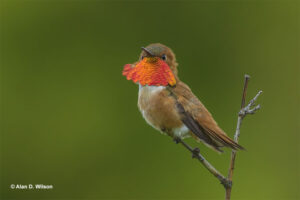
Rufous Hummingbirds use Texas as a fueling station
Ruby-throated Hummingbirds migrate through Texas rather than nesting widely. They arrive in spring on their way north and return in late summer. By October, most have passed through.
Rufous Hummingbirds also move through in late summer and fall, using Texas as a fueling station. Meanwhile, Buff-bellied Hummingbirds may remain in the southern tip of the state all winter.
By mid-to-late October, migration slows across most of Texas, leaving only the year-round residents and occasional overwintering visitors.
What Triggers Their Departure?
Have you ever wondered why hummingbirds leave even when flowers and feeders are still full? The answer isn’t food—it’s timing.
Hummingbirds respond to changes in day length. As the days shorten in late summer, their internal clock signals that it’s time to migrate. This is true whether they are in Texas, Indiana, or anywhere else along their range.
Before they leave, hummingbirds go into a feeding stage called hyperphagia. They consume large amounts of nectar and insects, building up fat reserves that may double their body weight.
These reserves fuel long flights, including nonstop journeys across the Gulf of Mexico. Even if conditions seem perfect at your feeder, instinct drives them to move south.
The Right Time to Take Feeders Down
In Texas, the question of when to take feeders down can be tricky. Because the state is so large, migration timing varies. In northern Texas, most hummingbirds are gone by October. Along the Gulf Coast and Rio Grande Valley, some birds may remain into the winter.
The safest rule is simple: keep feeders up until you haven’t seen a hummingbird for at least two weeks. This ensures late migrants and juveniles still have access to food.
In many areas, that means leaving feeders out through October. In southern Texas, you may want to keep one up year-round, just in case a wintering Rufous or Buff-bellied shows up.
Remember, feeders do not stop hummingbirds from migrating. They only provide the extra boost birds need at a critical time.
A Seasonal Guide for Texas Homes
Texas offers one of the longest and most varied hummingbird seasons in the U.S. Here’s what homeowners can expect throughout the year:
| Season | Hummingbird Activity in Texas |
|---|---|
| Early Spring (March–April) | Black-chinned Hummingbirds arrive. Ruby-throated Hummingbirds pass through eastern Texas. |
| Late Spring–Summer (May–July) | Black-chinned nest widely. Feeders are active across central and western Texas. |
| Late Summer (August) | Males begin leaving. Migration builds as Rufous and Ruby-throated pass through. |
| Early Fall (September–October) | Peak migration. Feeders may host dozens at once. Most leave by late October. |
| Late Fall–Winter (November–February) | Most hummingbirds gone. Buff-bellied remain in the south; Rufous may overwinter at feeders. |
This seasonal rhythm makes Texas one of the best states to watch hummingbirds nearly year-round.
Final Thoughts on When Hummingbirds Leave Texas
Hummingbirds LOVE Texas! It is both a nesting ground and a migration highway for hummingbirds.
By late October, most have departed, though Buff-bellied and a few others linger in the south.
Keeping feeders up until you’re sure they’re gone ensures every traveler has the fuel it needs.