

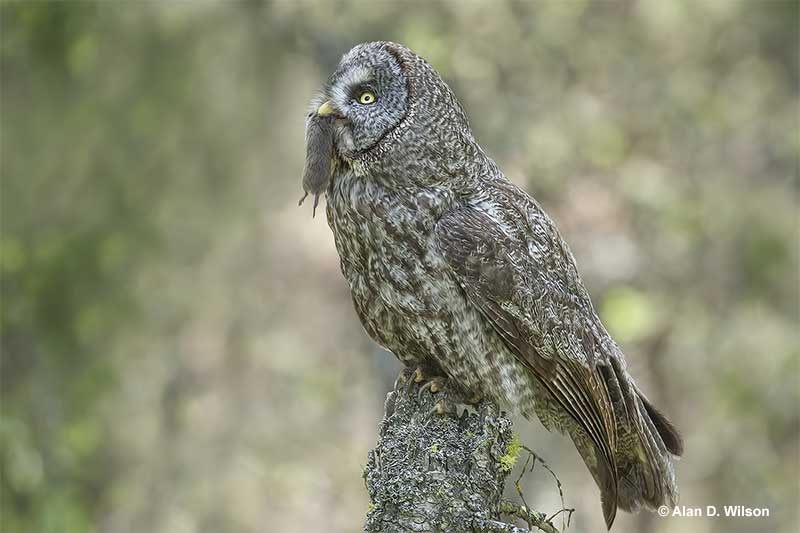
Eagles, hawks, and falcons are impressive and powerful birds! They can soar overhead on big, broad wings, swoop down to catch small animals, and even stalk birds at backyard feeders.
Some also eat carrion, but most of these fierce birds go after small, live animals. Known as raptors or birds of prey, they hunt in every part of the world except for Antarctica.
Which types of birds are birds of prey? Are owls and some other non-hawk birds also birds of prey?
What Makes A Bird A Bird Of Prey?
How can you recognize a bird of prey? Some have big, broad wings and short tails, but other birds of prey have narrow wings and long tails. While it’s easy to recognize a big hawk or an eagle, some smaller birds of prey can look like a big pigeon or other bird!
However, whether a huge eagle or a small Sharp-shinned Hawk, all birds of prey share a few characteristics. Like other birds, raptors have natural tools suited to their diets. They aren’t going to have finch-like beaks or narrow bills adapted for catching bugs.
Nor do birds of prey have small feet more suited to hopping on the ground or clutching branches. Instead, we can recognize birds of prey by the following features:
- Sharp, hooked beaks– Birds of prey always have a hooked beak suited for piercing and tearing into flesh. Bald Eagles and some other eagle species have huge and powerful beaks while other species have much smaller bills. However, their beaks are always going to have a sharp, hooked tip.
- Long, needle-like talons– This is the second main characteristic of every bird of prey. These birds have sharp talons that they use to grasp and kill rodents, other birds, fish, and other small animals.
Types
Hawks
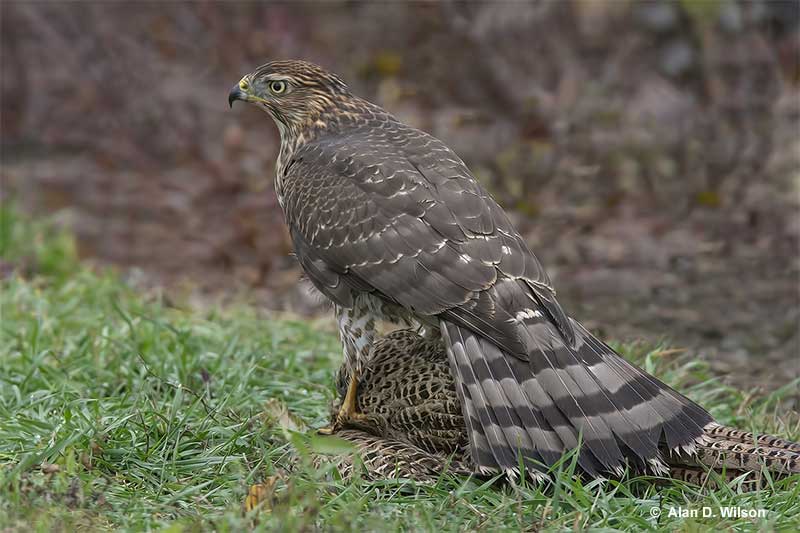
Hawks are “average” and familiar raptors with hooked beaks, and sharp talons. They are like small versions of eagles that can soar overhead, and perch near roads. Some species have broad wings and tails while others have rounded wings and long tails.
Related: Who are the biggest predators of birds?
Buzzards
A “Buzzard” is the name used for various hawk species from Africa and Eurasia. Most have broad tails and soar on broad wings. They are “Buteo” genus hawks similar to Red-tailed Hawks and catch small animals.
Honey-buzzards
Honey-buzzards are fair-sized birds of prey that soar on broad wings and have medium-length tails. Although they have hooked beaks and talons like other birds of prey, honey-buzzards are not that powerful. They mostly feed on bee and wasp nests in Eurasia and Africa.
Sparrowhawks
This is an old name for the American Kestrel as well as Accipiter genus hawks from Eurasia, Africa, and Australasia. True to their name, Sparrowhawks mostly feed on sparrows and other small birds. They live in forested habitats where they use their short, rounded wings and long tails to maneuver between trees.
Goshawks
Goshawks are big, stocky and powerful hawks with somewhat rounded wings and longish tails. They use their talons to catch grouse, jays, rabbits, and other fair-sized prey after a quick pursuit in forest and semi-open habitats.
Eagles
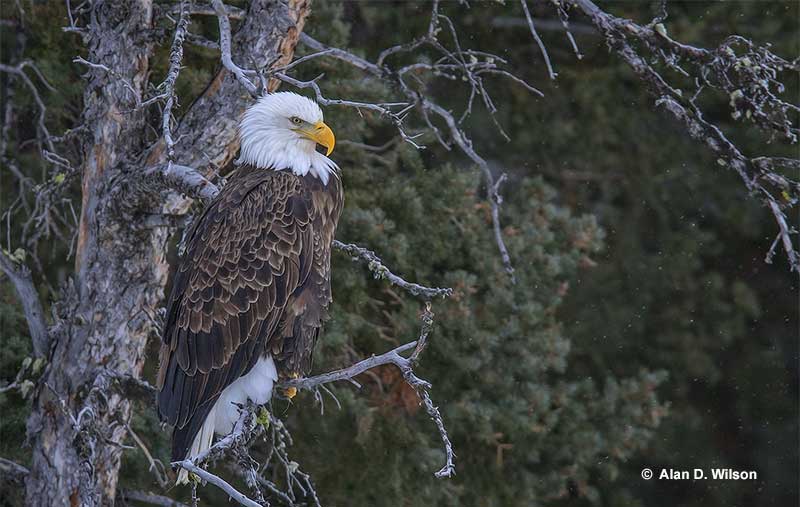
Eagles are the biggest birds of prey. They are huge raptors with 5 or 6 foot wingspans, and broad or medium-length tails. They also have big, hooked beaks, and big, powerful talons.
Sea-Eagles and Fish-Eagles are eagles that catch fish, waterbirds, and other animals in coastal habitats and wetlands. Technically, the Bald Eagle is a type of sea-eagle. These birds of prey have very large beaks, broad wings, and a short, broad tail. Most also have some white on their head or tail.
Snake-Eagles and Serpent-Eagles mostly prey on snakes. They soar over open areas and forest on broad, rounded wings, and then swoop down to catch their prey. Snake-Eagles and Serpent-Eagles live in Eurasia and Africa.
Hawk-Eagles
Hawk-eagles are powerful birds of prey that hunt in tropical forests. They have broad, rounded wings, long tails, and feathered legs tipped with big, powerful talons. Most species also have pointed crests.
Bateleur
The Bateleur is a unique bird of prey also known as the “Bateleur Eagle”. They are fair-sized, colorful raptors with black, gray, and rufous plumage. Bateleurs have a short tail and soar high on long wings over open habitats in sub-Saharan Africa.
Bazas and Cuckoo-Hawks
These birds of prey are smallish, crested, crow-sized raptors with broad, rounded wings, and longish tails. They are “weak” raptors that use their small talons to catch lizards, insects, and other very small animals. Bazas and Cuckoo-Hawks live in Africa, southern and eastern Asia, and Australasia.
Harriers
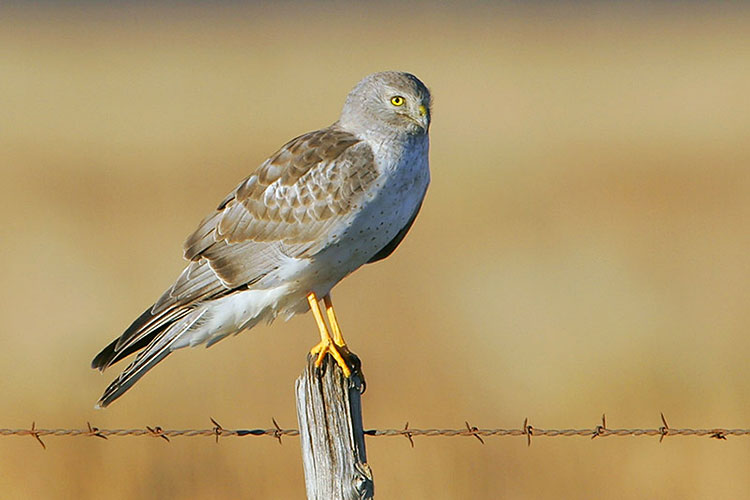
Harriers are elegant, fair-sized birds of prey with long wings, and long tails. They often hold their wings in a “V” as they glide low over the ground in grasslands and other open habitats. Many Harrier species also have a prominent white rump. In North America, we have the Northern Harrier.
Kites
Kites are various raptors that spend a lot of their time in soaring and swooping flight. Most kites are beautiful and elegant birds of prey with long tails. Some have rounded, broad wings, while other kites have long, pointed wings. Kites also have small talons and prey on insects, snails, small reptiles, and other very small animals.
Ospreys
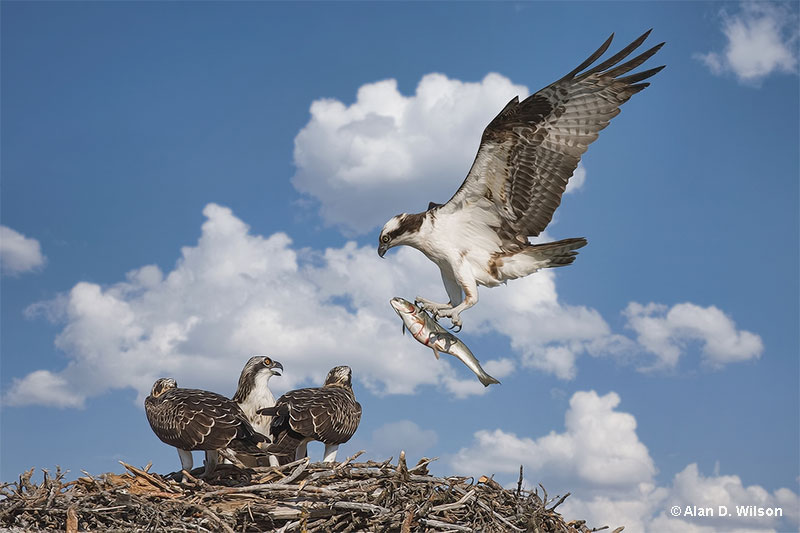
© Alan D. Wilson
Ospreys are big, unique pale birds of prey with some dark markings and long wings. They soar and fly over coastal waters and other wetlands in many parts of the world. Ospreys dive into the water to catch fish with their long talons, earning them the name fish hawks.
Secretarybirds
Secretarybirds are pale gray and black birds of prey with an orange face, fancy crest, and long tail. This unique raptor strolls through African savannahs on long, stilt-like legs. When the bird spies a snake or other small animal, it punches the prey with its feet, and then picks it up with its hooked beak.
Seriemas
The two species of Seriema are similar to Secretarybirds but live in open habitats in South America. Although their beaks aren’t as hooked, nor their talons as strong as other birds of prey, Seriemas certainly prey on enough small animals to fit the definition.
These pale gray birds with long legs and long tails are also related to the extinct “Terror Birds”, huge terrestrial birds of prey that were apex predators in prehistoric South America.
Owls
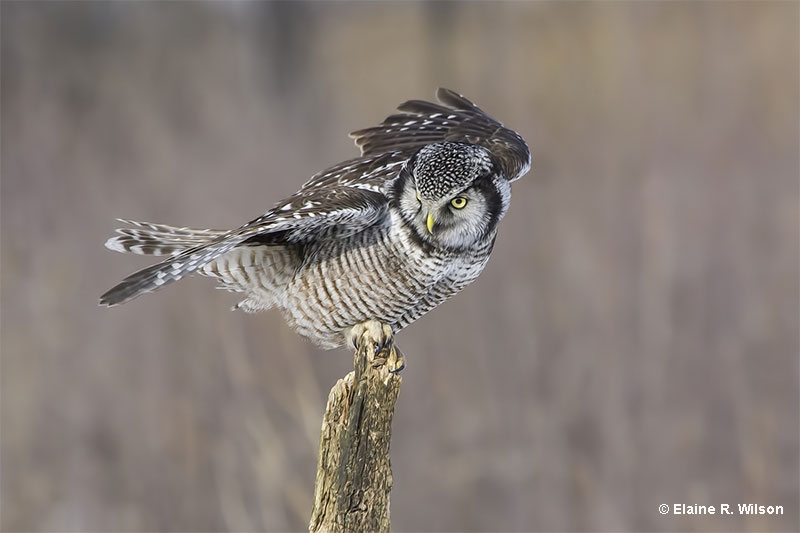
Owls are familiar and popular birds of prey with soft, fluffy plumage, and broad rounded wings. Some species have feathered, “horn-like” tufts while others have rounded heads. They also have strong zygodactyl feet with sharp talons, and many make hooting vocalizations.
Owlets and Pygmy-Owls
These are small owl species, most of them the same size as an American Robin or a bit smaller. They have rounded heads, and many have a pattern on the back of their head that resembles big eyes. Owlets and Pygmy-Owls often hunt in the day and catch small birds, big insects, and small reptiles.
Boobooks
Boobooks are medium to large, slender owls with rounded heads, fairly long wings, and longish tails. These owls live in eastern and southern Asia, and Australasia. Several species are island endemics and most are plumaged in different shades of brown with some markings on their underparts.
Falcons
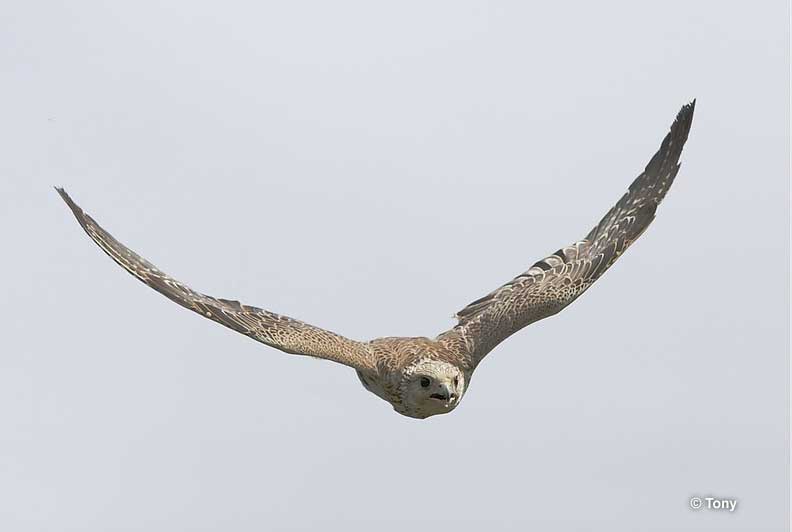
Falcons are small or medium-sized, streamlined raptors with rounded heads, and longish, tapered tails. These fast-flying birds of prey use their long, pointed wings to chase down and dive on other birds and small mammals. Several falcon species have a dark hood or “mustache” mark in front of their eyes.
Falconets
Falconets and the Pygmy Falcon of Africa are tiny falcons not much bigger than a sparrow! They have blocky heads, fairly long wings, and medium-length tails. Falconets are mostly black above and white and orange below. These mini raptors hunt insects and small animals in eastern Asia.
Caracaras
Caracaras are fair-sized birds of prey in the falcon family. However, instead of having streamlined shapes suited for fast flight, Caracaras have blocky heads, long tails, and long, broad wings. These birds of prey often have a white patch on each wing, longish legs, and eat carrion in addition to small animals.
Forest-Falcons
These birds of prey are tropical raptors that haunt forests from Mexico to South America. They are shaped like Accipiters or Sparrowhawks, and have rounded heads, broad, rounded wings, and long, rounded tails. Forest-Falcons make laughing or barking calls, rarely come into the open, and hunt birds, reptiles, and other small animals.
Vultures
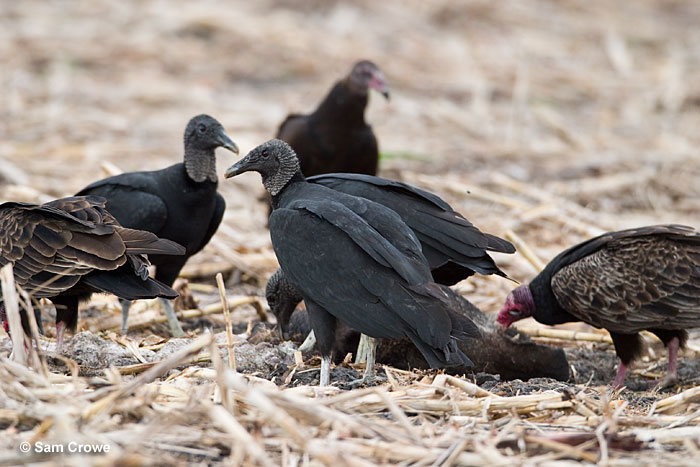
Vultures are big birds of prey with huge, broad wings, and broad tails. Some also have longish necks and colorful faces. These scavengers are built for soaring and typically fly high overhead until they detect a dead animal to feed on.
Birds Of Prey That Aren’t Raptors
Birds of prey aren’t the only birds that kill and eat small animals. A number of other, non-raptorial birds are happy to eat a mouse or small frog.
Shrikes, in particular, could probably be called a “bird of prey.” These songbirds use the hook on their beak to bite and snap the vertebrae of warblers, sparrows, small rodents, and small snakes! However, since they are perching birds and lack strong feet with sharp talons, they aren’t usually known as birds of prey.
Other near raptors are skuas and jaegers. These Arctic seabirds are like a gull blended with a hawk or a falcon. They fly fast, steal food from gulls and terns, and use their strong beaks to capture and kill rodents and small birds.

Many other birds also eat small animals, even if they don’t have talons or sharp, hooked beaks. Storks and herons have spear-like beaks they use to catch nearly any small animal that moves. In Costa Rica, I have even seen tiger herons catch and eat baby crocodiles!
Kingfishers aren’t raptors but mostly eat fish, and although gulls aren’t raptors, they often eat small animals. We can say the same for Roadrunners, Great Kiskadees, several woodpeckers, and various tropical birds that eat small lizards.
Frequently Asked Questions
Are birds of prey the same as raptors?
Yes, birds of prey are the same as raptors.
Do birds of prey migrate?
Some birds of prey migrate. Turkey Vultures and Swainson’s Hawks migrate from Canada to the Amazon and Argentina! Multiple hawk and owl species move to warmer areas for winter. Even the Snowy Owl, whose breeding grounds are in arctic tundras, migrates to more habitable areas.
What do birds of prey eat?
Birds of prey eat a wide variety of small and medium-sized animals, including rodents, birds, snakes, fish, and frogs.
Are all birds of prey carnivores?
Yes, all birds of prey are carnivores. However, vultures mostly feed on carrion, which makes them scavengers.
What is the largest bird of prey in the world?
The largest bird of prey in the world is the Andean Condor. This huge bird has a ten foot wingspan and weighs 33 pounds!
Are birds of prey dangerous to humans?
Birds of prey are not dangerous to humans. However, many will attack people who come too close to their nests when they are breeding and growing their young.