

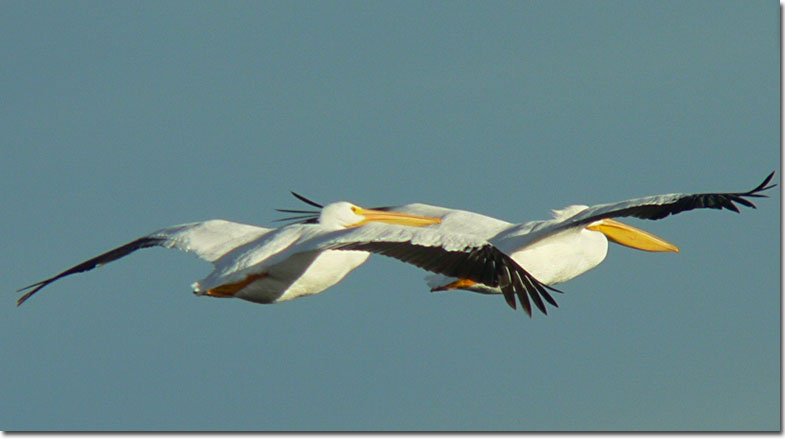
We often say that “birds mate for life.” It’s easy to think that way.
After all, birds are typically seen as being loyal and forming long-term bonds with their mates.
The truth of the matter is a bit more complicated. How long birds stay with one mate, or if they have several mates, varies among species.
Do All Birds Mate For Life?
Some birds mate for life or nearly so, but not all of them, not even close. Many migratory species, including small birds such as warblers, sparrows, and robins, find a new mate every breeding season.
For these species, finding a new mate each nesting season makes sense. In the northern summer, they have a brief window for raising young. After a male comes back and manages to establish a territory, he can’t afford to wait around for the same mate as the previous year.
Not to mention, migration is a dangerous endeavor. Last year’s mate might never return to the breeding grounds.
As for birds that form long-term pair bonds, ones that mate for life are usually species that have long lifespans.
Pairs probably raise more young and survive longer when they work together to defend their territory, feed their babies, and protect each other.
Birds That Stay With Their Mates
Swans
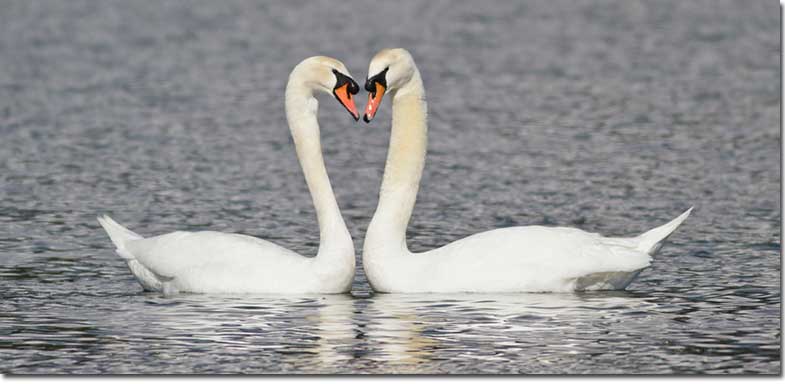
Swans form very strong pair bonds. Once these big birds find a mate, they usually stick with each other for good. They also do everything together, including foraging, nesting, raising young, and migrating.
It’s easy to tell which swans are couples – paired birds stick closer to each other than to other birds in the flock.
Swans are loyal to each other, but even these elegant birds can have marital problems. A small percentage of swans can break up and find new mates, especially if they fail to raise young.
Owls
Owls are tough birds to study, but it looks like most of them mate for life. The exceptions are Snowy Owls and some other migratory owl species. As far as is known, such owl species either pair up with the same mate as the previous year or find a new one.
Great Horned Owls and other non-migratory owl species stay with their mates most of the time. Males attract a mate by calling and displaying to an interested female, and showing her several potential nest sites.
She picks one, lays her eggs, and then both adults help raise their young.
Geese
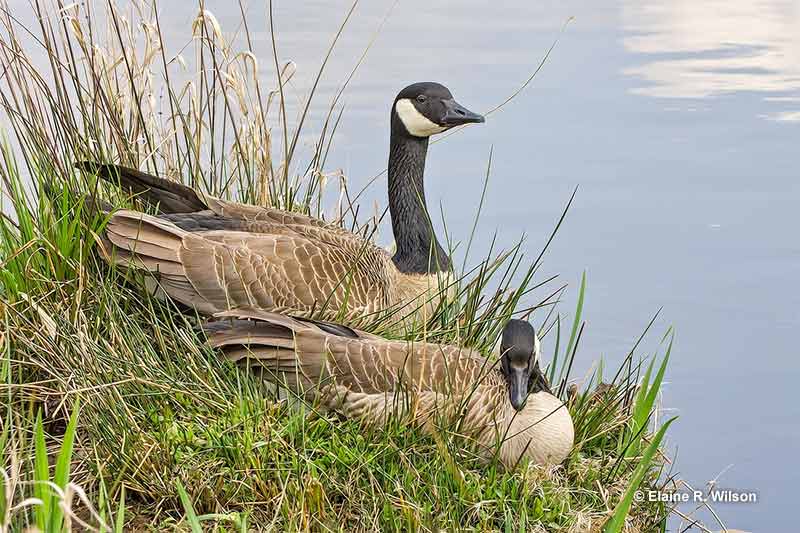
Geese are largely monogamous and mate for life. The only time they break up and look for new mates is if the pair doesn’t raise any young. However, most do alright and stay together until one of them dies!
At that point, in the case of the Canada Goose, the single bird doesn’t usually look for a new mate for at least a few months.
During their relationship, pairs of geese build their nest together and help protect it. While the female goose incubates the eggs, her mate stays nearby to ward off predators.
Doves
Many doves mate for life. As with so many other birds, migratory birds are the exception. For example, Mourning Doves tend to migrate and often find a new mate each nesting season. However, they are loyal to that mate during the breeding season. Some Mourning Doves also still pair up with the same mate year after year.
Like most dove species, the familiar Rock Pigeon also mates for life. After pairing up, both birds share incubation duties and feed their young. They might be too weak to fight off a predator from attacking their mate but do forage and fly together.
Crows
Crows are another type of bird that form strong pair bonds. Like most or all other Corvids, once they pick a mate, that’s the bird they’ll probably stay with for the rest of their lives.
They can split up if they fail to raise any young, but that situation seems pretty rare.
Crow pairs work together and with their extended family flock to find food. They also find their nest together and then the male guards his mate while she incubates their eggs. These intelligent birds both feed their young while being helped by additional, related “helper” crows!
Vultures
Have you ever noticed a couple of vultures perched next to each other? There’s a good chance those close birds were mates.
Although Black Vultures flock together and can bicker with each other while feeding, they actually form close pair bonds and mate for life. They choose a mate after making display flights together and spend much of their lives foraging and roosting together.
Turkey Vultures are migratory, but it seems like they also mate for life. Even after flying to and from South America, they probably still pair up with the same mate as the previous year!
Cranes
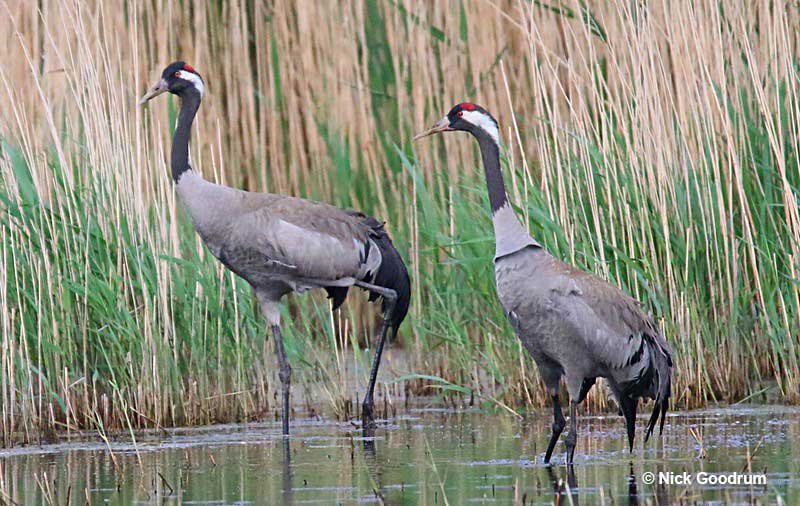
In many cultures, cranes are symbols of loyalty and fidelity. It only takes one look at a crane’s courtship display to understand how such ideas came into being.
Pairs of these tall and elegant birds do amazing courtship displays where they dance and call together! However, pairs of cranes don’t stop dancing once they have found a mate. On occasion, they continue to display to each to strengthen pair bonds for years after.
These long-lived wading birds don’t pair up with another crane until they are 5 or 6 years old. However, once they do, they spend most of their time together.
Albatrosses

Albatrosses are long-lived birds that might not breed until they are 9 to 11 years old! To find a mate, they perform wonderful courtship displays on their remote nesting islands. The birds face off, point their beaks up, open and close them, and clack them against each other!
These huge seabirds mate for life but aren’t always faithful. While most pairs only mate with each other, a fair number of male Waved Albatrosses mate with other females after arriving earlier to nesting islands than their mates.
Like other birds, they can also look for a new mate if they fail to raise young.
Learn more: What do albatrosses symbolize?
Macaws
Macaws and many other members of the parrot family form some of the strongest pair bonds of any bird. Not only do they mate for life, but they also spend most of their time close to each other.
They can even risk their lives for their mates! I saw this happen while working on a macaw project in the Peruvian Amazon. A Black Hawk-Eagle was diving to attack another, smaller bird but a Red-and-Green Macaw wasn’t taking any chances.
To distract the eagle from possibly attacking its mate, the macaw shrieked and flew directly in front of it! Needless to say, the raptor wasn’t able to catch anything.
Penguins

Mating situations for penguins depend on the species involved. Some penguins form long term bonds while others only occasionally have the same mate as the previous nesting season.
For example, Little Penguins come back to the same nesting burrow and also have the same mate for most or all of their lives. Two other small penguins, the Galapagos Penguin and the Adelie Penguin also tend to stay with the same mate.
At the other extreme, huge Emperor Penguins often have a new mate each nesting season. It’s a similar situation for the big King Penguin, although more tend to stick with the same mate.
Condors
Like other vultures, these massive scavengers also mate for life. California Condors start to look for a mate when they are six years old. Males try to attract a female by spreading their wings and walking towards a female.
At the same time, his head turns red and he puffs out his neck feathers. If she accepts him, they become mates for life.
The mated condors spend most of their time together as they help raise their young and forage for carrion. Their relation is a long one, these birds can live for 60 or 70 years!
Frequently Asked Questions
What happens when a bird’s mate dies?
When a bird’s mate dies, it eventually looks for another mate. Small birds can look for another mate right away, but geese and other large birds might wait a couple months or until the following breeding season.
Do birds ‘cheat’ on their partners?
Some birds do ‘cheat’ on their partners.
Which birds are the most loyal?
Birds that are the most loyal are swans, cranes, and parrots.
Are there any birds that stay together for a short time?
Yes, there are many birds that stay together for a short time. Most migratory songbirds only stay with a mate for one breeding season, while hummingbirds don’t even stay together after mating.