

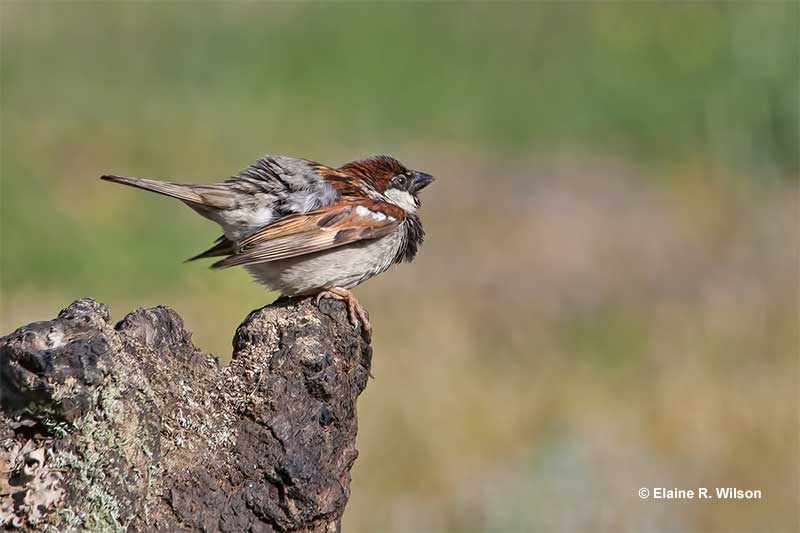
Just as their name hints, invasive birds are quite invasive, pushing out native birds by taking over their nests, and sometimes even their food sources.
Most of them have been introduced with good intentions in mind, so why exactly are they considered to be bad now?
What Makes A Bird Species Invasive?
Various bird species have been introduced to places where they wouldn’t naturally occur. The same thing has happened with a number of plants, insects, mollusks, and even fish. However, not all those animals or plants become established.
Most actually die off shortly after arriving. They can’t find mates, can’t compete with native species, or just aren’t adapted to living in a completely new place.
However, the ones that do adapt sometimes thrive and those species can cause serious problems. We call such introduced, non-native animals and plants “invasive” because they rapidly increase in numbers and end up harming crops and causing problems for native ecosystems.
One invasive, the Burmese Python, has even caused serious problems in southern Florida by eating large numbers of native wildlife!
As for invasive birds, they usually outcompete various native species because they are more aggressive and take their nest sites.
Invasive birds can also replace native birds by eating their food and driving them off.
In Hawaii and other islands with fragile ecosystems, introduced birds can also be considered invasive when they carry diseases that harm native birds.
Common invasive species in the U.S.
House Sparrow
The folks who released this familiar bird in the USA had good intentions. They wanted to control caterpillar populations, especially the Linden Moths that attacked Brooklyn’s beautiful Basswood trees.
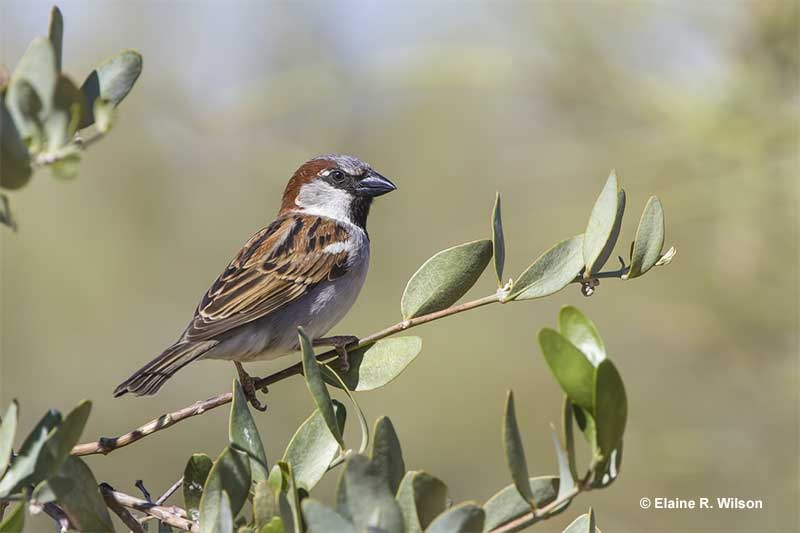
However, in1851, they had no idea introducing a non-native species might be a bad idea. Starting that year, House Sparrows were released in and near Brooklyn on several occasions. The small birds did so well that 50 years later, they had spread to California!
In the 1940s, 150 million House Sparrows lived in the USA. These days, 7 million occur but they still cause problems by competing with Eastern Bluebirds and other native species for nest sites.
European Starling
We can thank Shakespeare fans for the arrival of starlings to North America! In the 1890s, pharmacist “Eugene Schieffelin” was convinced that all birds mentioned in Shakespeare’s works should live in the USA.
He released Nightingales, Chaffinches, and several other species, but only one became established. On March 6, 1890, he let 60 European Starlings loose in Central Park, New York City.
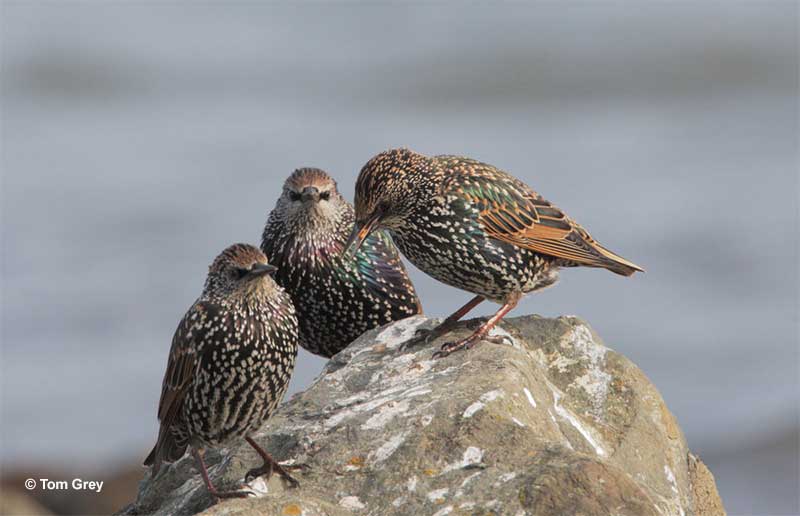
With no real competitors, those starlings did very well. In modern times, their descendants are 46 million birds living in many parts of the USA and Canada!
These invasive birds cause millions of dollars of crop damage, compete with Red-headed Woodpeckers and other native birds for nest sites, and also carry several avian diseases, so they are generally considered to be pests.
Rock Pigeon
The familiar and common Rock Pigeon didn’t occur in North America until the 17th century. Before that time, the most abundant dove in the eastern USA was the Passenger Pigeon, a species that has since become extinct.
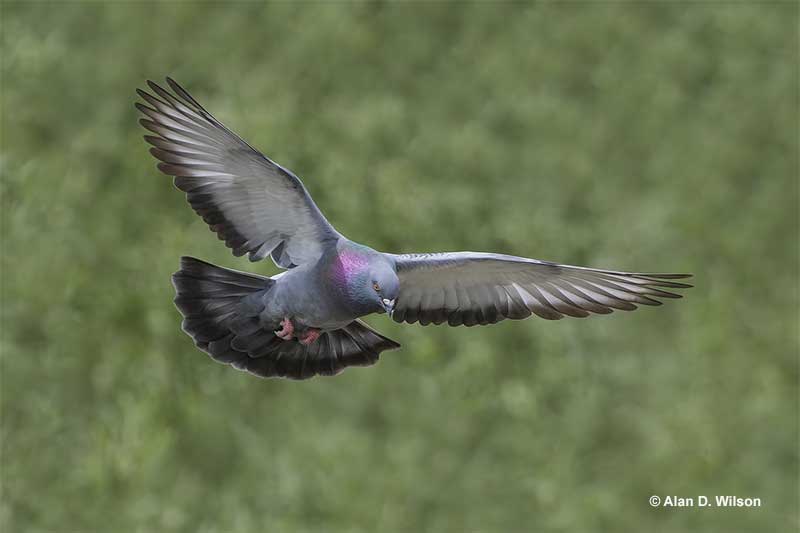
In the early 1600s, European colonists brought Rock Pigeons with them to the USA. Although they kept pigeons for food, inevitably, some escaped and established feral populations.
Since then, Rock Pigeons have spread to the west coast and even southern Alaska. More than 8.4 million currently live in North America! Although they don’t compete much with native birds, Rock Pigeons are invasive because they can carry diseases and are often considered a nuisance.
Eurasian Collared-Dove
This bird is a lot like the Rock Pigeon. They are part of the same family and are much adapted to living with people.
In fact, they do so well with people, it’s no surprise that Eurasian Collared-Doves have become established in North America.
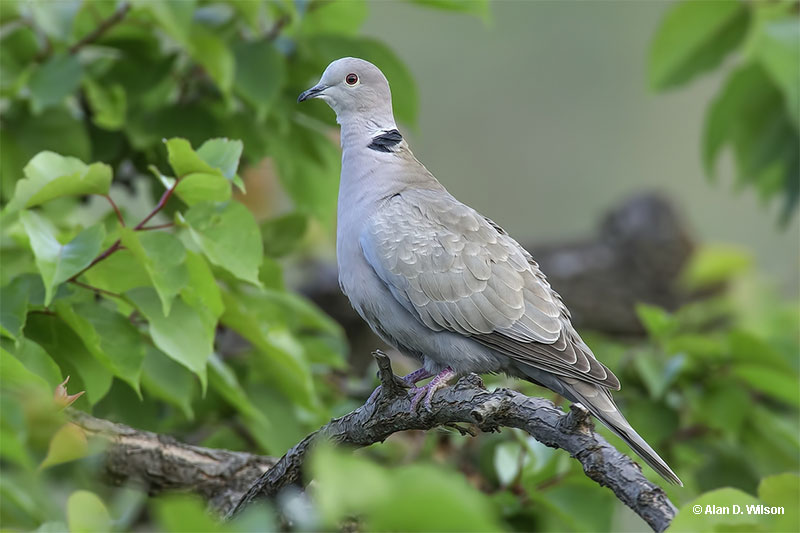
In the 1980s, this species arrived in southern Florida from a population of escaped birds in the Bahamas. Around 400,000 Eurasian Collared-Doves live in North America and their population is quickly growing. Eventually, they might cause problems with crops and native species.
Mute Swan
Although Mute Swans don’t live in as many places as House Sparrows but can still be considered invasive. Mute Swans are native to Eurasia but, in the 1800s and 1900s, were introduced to North America to decorate estates, parks, and zoos.
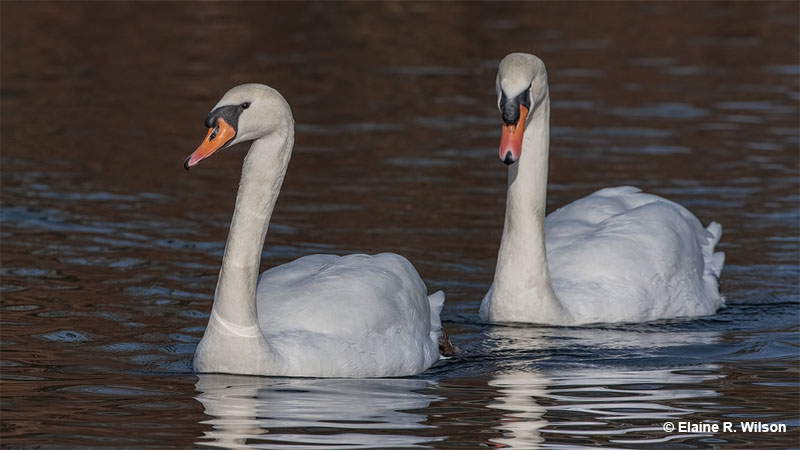
Some of those birds escaped and established wild populations. With very few predators, Mute Swans have done well on wetlands in parts of the northern USA and southern Canada.
However, they can destroy marsh habitat, are aggressive birds that kill native species, and cause problems with nesting waterbirds. Several thousand occur in North America but there are control measures to reduce their numbers before they become too problematic.
Ring-necked Pheasant
The Ring-necked Pheasant is one of the most frequently introduced birds of all time. Originally native to Asia, it was introduced to Europe long ago and has also been released in North America, Australia, and New Zealand.
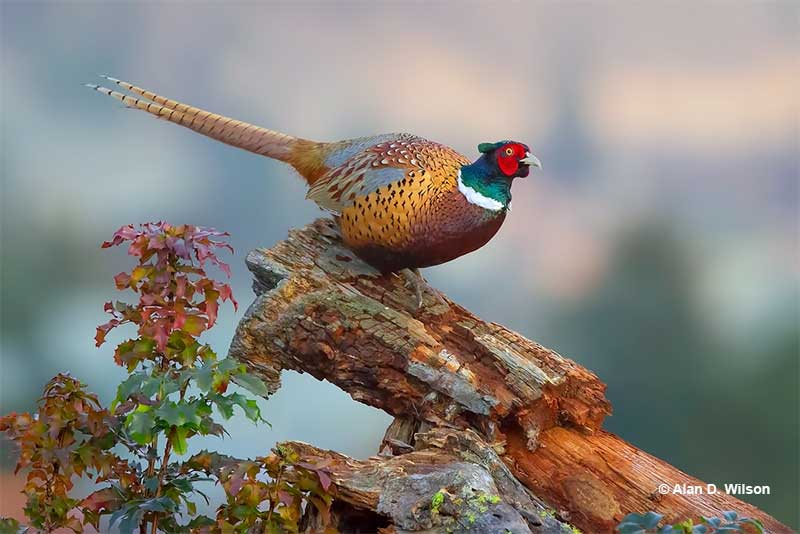
Ring-necked Pheasant introductions have always been associated with hunting. In North America, the first ones were released in the 1730s in New England, and pheasants have been released in several states ever since. However, they didn’t become established until the late 1800s.
In modern times, there are around 14 million Ring-necked Pheasants in North America. This species is problematic because it has a negative effect on the Greater Prairie-Chicken.
Rose-ringed Parakeet
Rose-ninged Parakeets are one of the more adaptable parakeets. Native to southern Asia and sub-Saharan Africa, it also thrives in various urban areas in Europe, Florida, California, and other places.
In most places, they aren’t much of a problem. However, in Hawaii, Rose-ringed Parakeets are invasive pests. This species became established in Hawaii after birds escaped from captivity in the 1960s and in 1982.
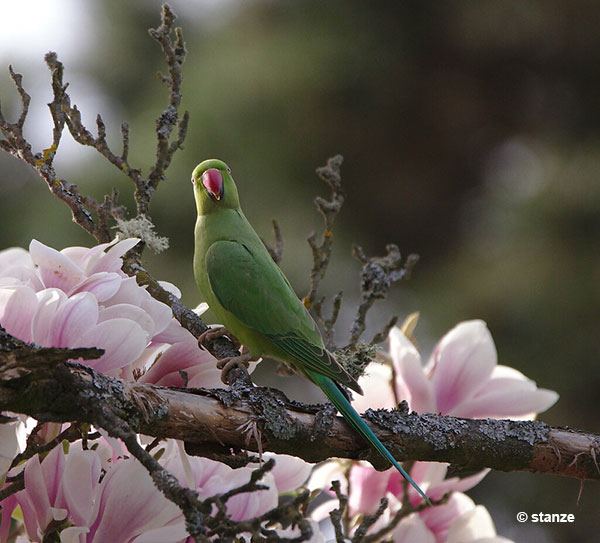
Since they had very few predators and plenty of food, Ring-necked Parakeet populations in Hawaii quickly exploded. These birds cause problems in Hawaii because they damage crops and help spread invasive, non-native plants.
Monk Parakeet
The Monk Parakeet is another parakeet species that becomes easily established outside its normal range. This parakeet is native to southern South America but also lives in various parts of the eastern USA (especially Florida), and Europe.
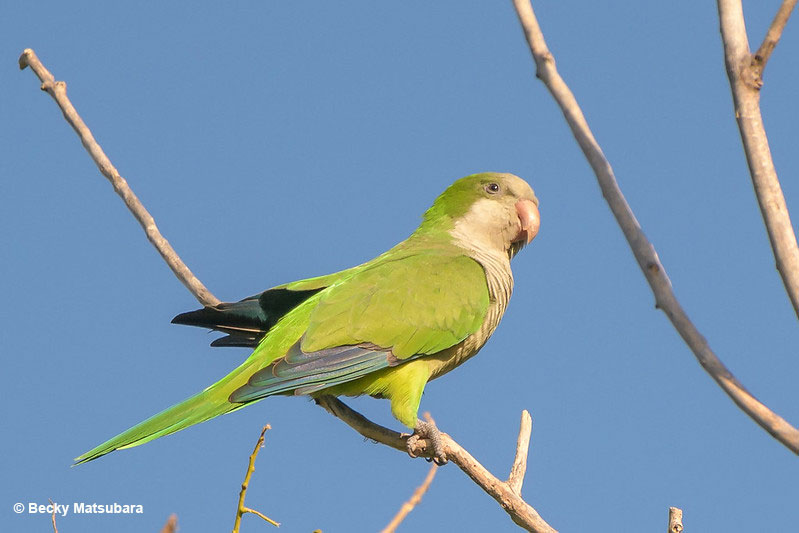
Monk Parakeets became established because they are popular birds in the pet trade. Since the 1960s, many of those pet birds escaped or were released. At present times, although the exact number of Monk Parakeets in the USA is unknown, they occur in the thousands.
Fortunately, they haven’t caused as much crop damage as feared but do cause problems when they build their messy stick nests on electrical towers.
House Finch
House Finches are native birds but only in western North America and Mexico. However, go birding in other parts of the USA and southeastern Canada, and you’ll probably find some.
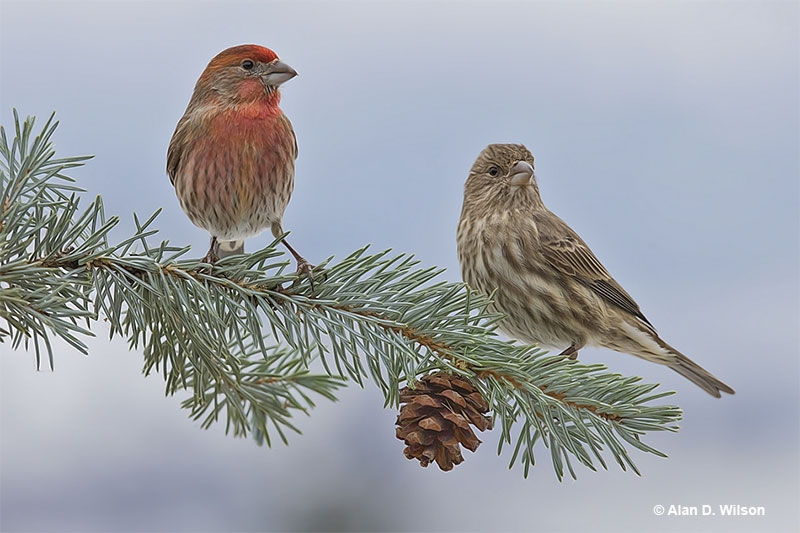
In the 1940s, House Finches were popular cagebirds even though keeping them in cages was illegal. In New York City, to avoid prosecution, many were released into the wild. Those birds quickly became established and spread to many other states and southern Canada.
Despite having a population of 40 million, House Finches don’t seem to cause too many problems. However, in some parts of eastern North America, they might compete with the closely related Purple Finch.
Shiny Cowbird
Unlike many other birds, this blackbird has spread into new areas all on its own. Shiny Cowbirds are common in many parts of their native South American range. One of the main reasons they are so common is because they live in deforested places, and lay their eggs in the nests of other birds.
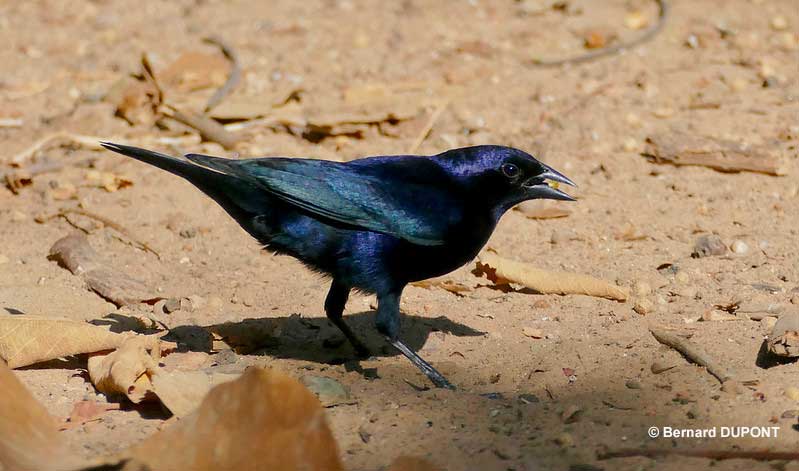
In the 1950s, Shiny Cowbirds started spreading north through the Caribbean islands. By 1985, they had reached Florida and quickly became established. In Costa Rica, this species has also become recently established; I see them quite often!
Shiny Cowbirds likely affect native species when they lay their eggs in their nests.