

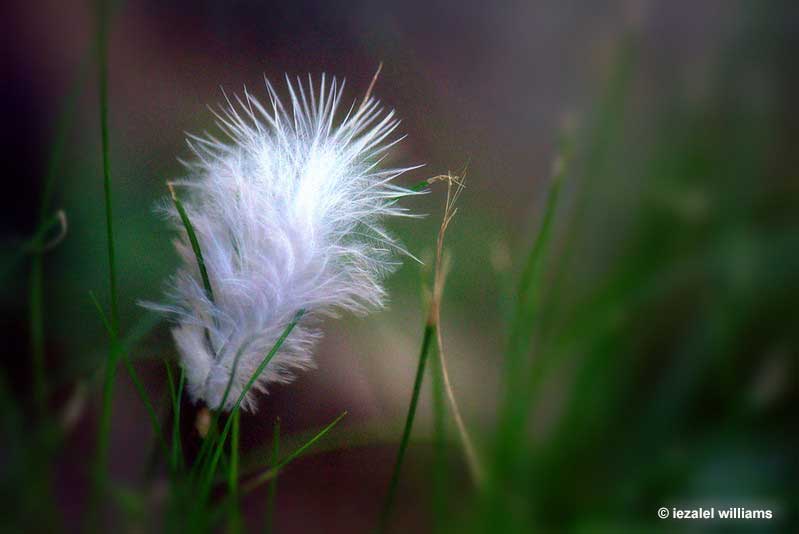
Birds have feathers. It’s one of the things that makes a bird a bird! But what about Ostriches and Kiwis?
Those birds don’t look like they have feathers. It seems more like they and a few other birds have hair or fur!
Can some birds have hair or do they have feathers that look like fur or hair?
Read on for answers and to learn all about feathers that act like fur!
Hair, Feathers, Or Even Fur?
Birds have feathers to keep them warm, shed water, and, most of all, to help them fly. They also use their feathers for courtship displays and camouflage.
Birds with hair-like feathers have them for a few of those reasons, but they sure look different. For many, some birds (like Emus) look like they have hair, especially on their necks and heads.
However, all birds really do have feathers, even “ratite” birds like Emus, Cassowaries, and Kiwis. Even so, their feathers differ in some ways from other birds. Most birds have feathers with one main shaft and small hook-like structures called “barbules”.
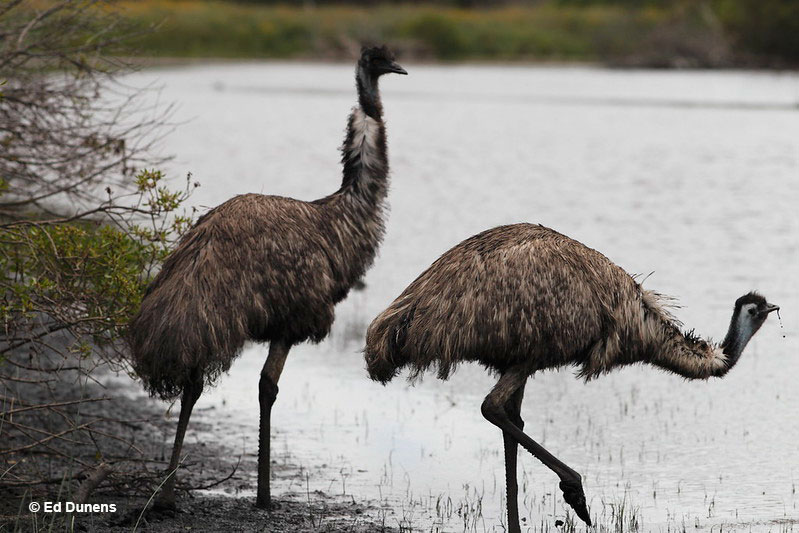
Those tiny structures help feathers connect or “stick” together, an important feature for flight and insulation. In the case of Emus, they have feathers with two shafts and widely-spaced barbules that don’t help connect their feathers together at all.
Kiwi feathers are even more hairlike. They lack barbules and just hang loose over the bird’s body. This doesn’t seem like a good strategy for keeping a bird warm but its feathers insulate a lot like hair does.
Their feathers might not interlock with each other, but they have so many that they act like a dense, hairy coat.
Advantages Of Feathers
Flight
Feathers are vital for flight. Take feathers off a bird, and even fast-flying swifts are grounded. Feathers are so important for flight that birds can become flightless after cutting a few primary feathers.
Feathers help a bird fly in several ways. Most of all, they have hollow vanes and other features to reduce weight.
The heavier the bird, the more difficult it is to lift off the ground. This is also why flying birds have hollow bones.
Bird feathers also have to be strong enough to push against air. They accomplish this with flight feathers on their wings. Unlike some other aspects of bird plumage, flight feathers are stiff, strong, and overlap with each other to create a resistant yet slightly flexible surface perfect for flying.
Other feathers also help with flight. Feathers on their bodies are contoured to make flying birds as aerodynamic as possible, and tail feathers act like rudders.
Regulating temperature
Feathers are also vital for keeping a bird warm or cool. Without feathers, most birds would probably quickly die from being too cold!
Imagine walking outside in cool weather without any clothes on. It’s the same situation for an un-feathered bird. This is why adult birds frequently brood their young, and why some birds also use certain, insulating nesting materials.
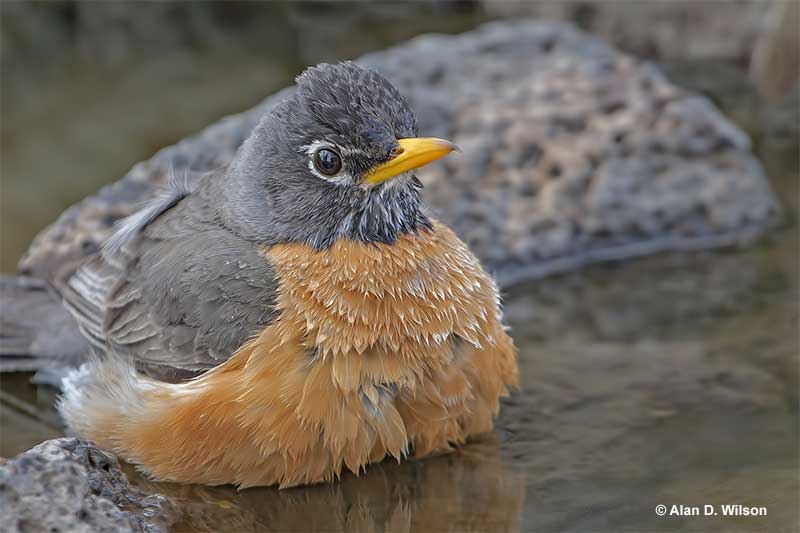
Feathers keep birds warm by trapping warm air close to their body. Basically, it’s a lot like wearing layers of clothing on cold days. Air gets trapped among the layers, warms up, and helps insulate you.
The natural layers that birds have are fuzzy down feathers close to their bodies covered by body contour feathers that overlap with each other.
Likewise, birds also use their feathers to stay cool. When they feel too hot, they fluff out their feathers to let warm out and allow cool air to reach their bodies.
Courtship
Most species also have feathers that help them find a mate.
Who doesn’t admire the bright red of a male Northern Cardinal or a deep beautiful blue Indigo Bunting? I know I do and so do female birds!
It’s why male Blackburnian Warblers and so many other songbirds have brighter and bolder plumage in spring. Their pretty feathers help to attract and convince females to mate with them.
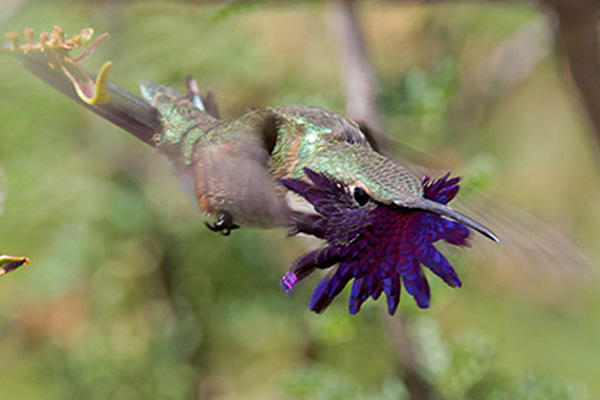
The same goes for birds with much more elaborate feathers. Male bustards and Ostriches showcase fluffy plumes to impress females. Hummingbirds display shining, metallic feathers to females, and some species also have modified tail fathers that can make whirring or buzzing sounds!
Tropical birds known as manakins also have modified feathers that make snapping and mechanical sounds. However, few birds can compare with the incredible displays made by Birds of Paradise.
They fluff out plumes, sport iridescent colors, and move around oddly-shaped feathers!
Protecting from weather
Feathers also protect birds from the weather. It makes sense, after all, birds live outside all the time. Although they can and do find shelter in the form of leaf cover and even burrows, it’s not like birds have an insulated, well-built house.
Chickadees and other small birds can partly cope with freezing cold weather and ice storms by hiding in tree cavities, but they can’t survive without highly adapted plumage.
Rain falls on birds and most just shake it off. They can do that by basically waterproofing their feathers with oil from their own oil gland. However, their feathers help too by interlocking together to make a tight, naturally water-resistant coat.
They use the same strategy to remove snow from their plumage, and interlocking bird feathers can also make a good windbreaker. As far as strong sunlight goes, feathers can help protect birds in that respect too.
Molting
Birds don’t always have the same feathers. Flying causes a lot of wear and tear that eventually break feathers down.
To stay in top shape and “wear” the best plumage to attract a mate, birds change their feathers or “molt.”
The amount of feathers a bird molts and how often it changes its feathers vary by species. For example, tropical birds and seabirds can gradually molt at various times of the year or over several years.

In general, robins and other songbirds go through a complete molt once per year. Since molting takes up energy, they usually grow new feathers during the two or three months right after nesting.
To make sure they have enough feathers for flight and insulation, molting happens gradually and replaces the same set of feathers on each side of their body. A new feather comes in that pushes the old one out and the process gets repeated bit by bit until they have a new set of feathers.
Some songbirds also have a partial molt where they change some feathers right before the breeding season. I get reminded of this when I see Indigo Buntings with bits of blue plumage and young male Summer Tanagers with patches of red.
How Would Having Hair Affect The Lives Of Birds?
For the few birds look like they have hair, maybe having fur or actual hair wouldn’t affect them a lot. Take Kiwis, for example. Since they are already flightless, the main function of their feathers is to keep them warm and camouflaged.
Their hair-like feather structure might also help Kiwis move better through understory vegetation.
For other birds, though, hair or fur wouldn’t really work. First and foremost, there’s no way they could fly.
Hair just doesn’t provide enough surface cover to generate lift and propel an animal through the air. If it did, we’d probably see bats with wings made of hair instead of thin, skin membranes!
Having fur or hair might give birds some protection from the elements and keep them warm but it probably still wouldn’t work with other aspects of avian physiology. Birds have been adapted to using feathers for so long, they even had them when they were bird-like dinosaurs!
Switching over to fur or hair probably wouldn’t work.
Frequently Asked Questions
Are there any birds that have fur?
No, there aren’t any birds that have fur. All birds have feathers, even ones with feathers that look like hair or fur.
Are feathers considered hair?
No, feathers are not considered hair. Although they are both made of keratin, they have different structures.
Is hair similar to feathers?
Yes and no. Hair is similar to feathers in being made of keratin and helping to insulate and camouflage an animal. However, hair has a different structure and feathers also help a bird fly.
Can birds go bald?
In some cases, birds can go bald. When stressed or ill, they can lose their feathers, especially on their heads.