

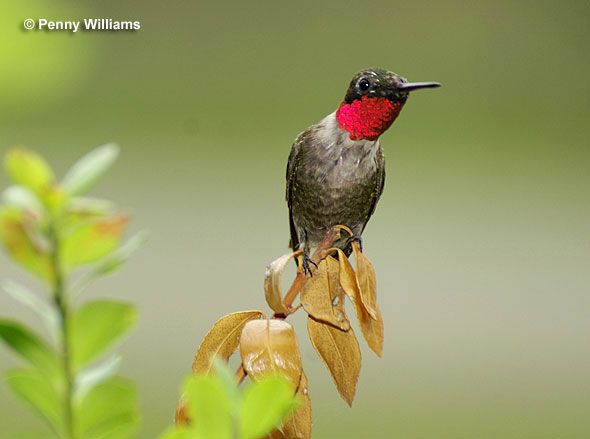
The Ruby-throated Hummingbird is the only hummingbird that breeds in Missouri.
Most arrive in April as flowers start to bloom and the days warm up. They spend summer feeding, nesting, and raising young. In late August and September, they begin moving south.
By early October, almost all have left for Mexico and Central America. A few wanderers, like the Rufous, Black-chinned, or Calliope Hummingbird, show up now and then, but they are rare.
But let’s discover, when (and why) do they leave?
The Departure Window
In Missouri, most Ruby-throated Hummingbirds start moving south in late August. You’ll notice fewer at your feeders as September goes on, and by early October, almost all are gone. In the southern part of the state, a few may hang around a bit longer, but their numbers drop fast once cool nights set in.
Why the Timing?
Hummingbirds don’t leave because feeders are empty — they leave because nature tells them it’s time. Shorter days, fewer blooming flowers, and their built-in instincts all push them south. Even if your feeders are full, they’ll take off when the season changes.

Feeding Timing: When to Keep Feeders Up
Don’t take your feeders down too early. Keep them out for at least two weeks after you’ve seen your last hummingbird. This way late travelers can stop for a quick meal, and you might even catch a rare visitor. In Missouri, it’s usually best to leave feeders up until mid-October, just to be safe.
Seasonal Tips for Missouri Bird Lovers
Spring: Ruby-throated Hummingbirds usually arrive in Missouri during April as the weather warms and flowers begin to bloom. Putting feeders out early ensures the first arrivals find a ready food source.
Summer: Through the warm months, hummingbirds are busy nesting and raising their young. Gardens filled with nectar-rich flowers and clean feeders will keep them active around your yard.
Fall: By late August, hummingbirds start heading south. September brings peak migration, and by early October, most have left Missouri. Keep feeders up until mid-October to help late migrants or rare stragglers.
Winter: Ruby-throated Hummingbirds spend winter in Mexico and Central America. In Missouri, hummingbird sightings are rare during the cold months, though the occasional Rufous Hummingbird may appear at a feeder.
Tips for Helping Hummingbirds in Missouri
There are several things we can do.
Putting feeders out in early April gives the first Ruby-throated Hummingbirds a much-needed meal after their long migration north. Once they arrive, keeping your feeders clean is essential. Rinse and refill every few days in warm weather to keep sugar water fresh and safe.
Native flowers provide the richest nectar. Plants like trumpet vine, bee balm, and columbine not only feed hummingbirds but also bring color and life to your yard. A mix of flowers and feeders keeps them active all summer long.
In the fall, don’t take feeders down too quickly. Many hummingbirds are still passing through in September, and some linger into October.
Leaving feeders up until mid-October helps late migrants and gives rare visitors, like Rufous Hummingbirds, a chance to refuel.
Finally, think about safety.
Avoid pesticides, and let shrubs and trees grow to give hummingbirds natural cover for resting, nesting, and hiding from predators. These small changes make a big difference in helping Missouri’s hummingbirds thrive.
Related: How to keep bees away from hummingbird feeder
| Season | Key Dates | Guidelines |
|---|---|---|
| Arrival | Early to Mid April | Put feeders out early; begin planting nectar-rich flowers. |
| Peak Spring Migration | Early May | Keep feeders full and clean; enjoy the hummingbird activity. |
| Departure Window | Mid-August to Early October | Leave feeders up; hummingbirds begin moving south in mid-August. |
| Late Stragglers | Mid September → October | Keep an eye out; some may linger into early October. Remove feeders ~2 weeks after the final sighting. |
Readers Ask: Why Is the Ruby-throated Hummingbird the Only Species in Missouri?
Missouri sits in the middle of the continent, far from the western mountains and deserts where most hummingbird species live.
That geography matters — the Rockies and the Southwest are hummingbird hotspots, while here in the Midwest, we get just one breeding species: the Ruby-throated Hummingbird.

It doesn’t mean Missouri is off the map for all the others. Every once in a while, a Rufous, Black-chinned, or even Calliope Hummingbird shows up.
Birders call them vagrants — wanderers that stray far from their usual range. Spotting one in Missouri is rare, but it happens, usually at a well-stocked feeder in fall or winter.
For me, that makes the Ruby-throat even more special. It’s not one among many here — it’s the hummingbird of Missouri, the one we wait for each April and the one we notice is gone when October turns cold.
Conclusions
In Missouri, the last hummingbirds slip away by early October, leaving backyards suddenly quiet after months of activity. It always feels like they vanish overnight, but really, they’re following a rhythm as old as the seasons.
By the time cool nights settle in, most Ruby-throats are already on their way to Central America. Leaving your feeders up a little longer gives late travelers a boost — and a chance for you to enjoy one last glimpse.
But they’ll be back in the spring!