


Have you ever cracked a normal-looking egg into a pan, only to find not one but two egg yolks looking back at you? If so is the case, you’re not seeing double; the double egg yolk phenomenon actually exists!
How does a single egg end up with two yolks? How often does it happen, and what does it mean for embryo development? Let’s have a look at it.
What Is A Double-Yolk Egg?
As the name illustrates, a double-yolk egg has two yolks instead of one. An unusual egg forms when the hen’s ovaries release two yolks during daily ovulation instead of a regular single yolk.
Double-yolk eggs usually occur in young hens whose bodies haven’t yet been well-adjusted to egg production. However, some hens seem to be genetically predisposed to producing double yolks and do this their entire lives.
If you eat only industrially produced eggs, the chances of finding a double-yolk egg are much smaller. Commercially produced eggs are routinely candled to exclude eggs with anomalies and undesirable traits.
Multi-yolks are one of them, so these eggs rarely end up on supermarket shelves. Still, some farms purposefully offer boxes of double-yolk eggs, specially selected for those who like oddities (or simply love egg yolks).
In extremely rare cases (one in 25 million!), an egg may contain three or more yolks. We call these multi-yolk eggs.
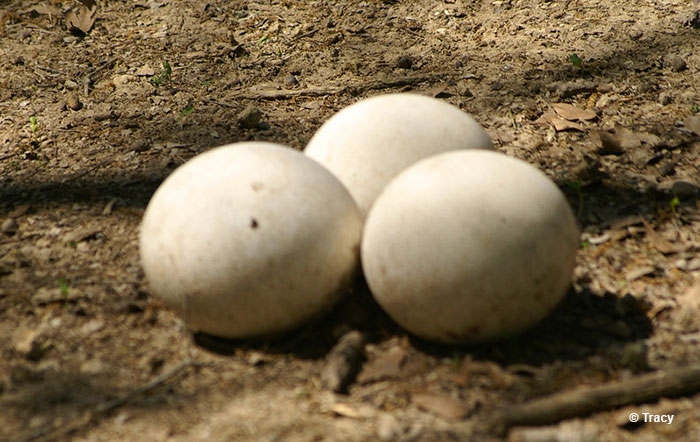
Other birds can end up laying eggs with double yolks, too. The mechanism is the same; it is just that they’re rarely found in non-domesticated birds.
Is Double Yolk Egg A Good Sign?
Folk wisdom says that finding a double yolk can mean many promising things. It’s a sign of general good fortune, indicates that someone in the family could get pregnant with twins, or a prediction that you might meet your soulmate.
Still, the double yolk or multi-yolk is not such a lucky event for the embryo(s) inside the egg, if there are any. The chances of fertilization and hatching for double-yolk eggs are poor. They are even poorer if there are twin embryos inside because these always die inside the egg before hatching.
How Do Eggs With Double Yolks Form?
The process of double-yolk egg formation is quite simple and not much different from the regular egg – except for a tiny difference.
The two yolks come out of the ovary during a single ovulation event (instead of one) and then get wrapped in the same albumen (egg white) and the same shell as they travel through the oviduct.
The question of why double yolks occur is a bit trickier. Most eggs with two or more yolks are laid by young hens whose reproductive, egg-forming mechanisms are still out of balance. This can cause two yolks to be released from the ovaries instead of one.
As the hen matures, she will start producing normal eggs. Old hens might start producing double-yolk eggs again as they move towards the end of their reproductive cycle.
However, the age of a hen is not the only factor that can contribute to multi-yolk eggs. Various disturbances and factors like diet, photostimulation, and purposeful selection for numerous ovulations and higher egg production can influence the double yolk-ness in chicken eggs. These pressures may also explain why multi-yolk eggs are much more common in domestic chickens than in other birds.
Unlike the young hens that overgrow the propensity for laying double-yolk eggs, in those with a genetic predisposition, the tendency to produce these eggs lasts a lifetime.
Can Chicks Hatch From Double Yolk Eggs?
Most eggs intended for consumption are not fertilized at all. However, in poultry farming, single-yolk eggs are not usually incubated to produce chicks because of their lower fertility and hatching rates. Because these eggs lack commercial significance and get removed from the process, our understanding of chick development in double and multi-yolk eggs is still modest.
Double-yolk eggs usually have only one fertilized yolk, meaning that a single chick will be growing inside.
In these eggs with one embryo (DY1F) the hatchability rate is already much poorer than in single-yolk eggs – 11 vs. 86 percent. Double-yolks with two embryos (DY2F) do even worse and are not known to survive to hatching. The only recorded twin survivals were in lab settings and happened because researchers assisted with the hatching, likely preventing the chicks from suffocating.
Several theories may explain why birds fail to have live twins from a single egg with two yolks.
- Although multi-yolk eggs are slightly larger than single-yolk ones, there may still not be enough space for two embryos to assume the correct positions for hatching (which is critically important).
- The shell may not offer enough surface area for efficient respiration in more than one embryo.
On rare occasions when chicks from double-yolk eggs containing a single embryo do hatch, these chicks tend to weigh significantly more than their single-yolk counterparts. Other than that, there is no difference in chick health and fitness.
Frequently Asked Questions
Do triple yolk eggs exist?
Yes, triple egg yolks have been documented, although the chance of one is much much smaller than for the double yolk – only one in 25 million eggs comes with three yolks!
But it doesn’t end there. Multi-yolk eggs containing more than three yolks also exist. Allegedly, the record is an 11-yolk egg. In the case of multi-yolk eggs, the additional yolks are smaller than the regular ones.
How rare is double yolk?
Approximately one in 1000 eggs ends up having two yolks instead of one. So, this anomaly is uncommon but not ultra-rare. However, commercial producers exclude the double-yolk eggs from their regular batches. That is why many people have never encountered a double yolk despite frequent egg consumption.
Can birds have conjoined twins?
Conjoined twins in birds are extremely rare, or the eggs containing conjoined twin chicks fail to hatch. There was news about conjoined twin barn swallows discovered in Arkansas in 2008. Interestingly, no scientific report resulted from this rare find, so details past the initial news report remain unknown.
Can all birds lay double-yolk eggs?
Domestic chickens are the most frequent double yolk layers. However, the phenomenon is not only reserved for poultry. It can happen in other birds, but we rarely discover it because we don’t farm or consume wild bird eggs.
Consequently, the confirmed double-yolk egg cases happened in birds that we raise commercially. For example, eggs with double yolks and twin embryos have been found in pigeons, turkeys, ostriches, and emus (all embryos died before hatching). This diversity of bird taxa indicates that double yolks happen in many (if not all) other birds.
