

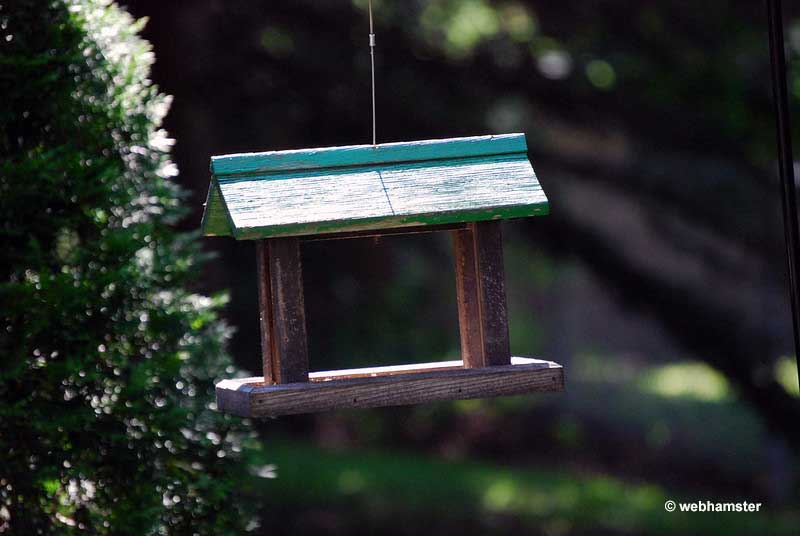
A backyard feeder helps us connect with birds, but it comes with a huge amount of responsibility. If you put out the wrong types of food, you can accidentally hurt birds – you might even kill them!
With that in mind, you absolutely must know what not to feed birds. Which foods are always bad for birds, and what should you avoid feeding your beautiful backyard visitors?
The Varied Diets Of Birds
Birds eat all sorts of things. What a bird eats depends on what type of bird it is and where it lives. While hawks, eagles, and owls eat small animals and other sources of meat, goldfinches and cardinals crack open and eat seeds.
Parrots also eat seeds. The hundreds of parrot, macaw, and parakeet species thrive on a diet of seeds, nuts, and fruit. Some macaws prefer palm nuts, while some small parakeets eat grass seeds.
Amazingly, the closest relatives of parrots evolved to eat other animals, especially birds! Those carnivores are the falcons, birds that prey on other birds and various other small animals.
While watching a falcon fly into view, you might see some other birds that have completely different diets. Vultures soaring overhead are searching for carrion, swallows are eating tiny bugs, and gulls are hoping to eat just about anything!
Notice an Osprey? This special raptor is on its way to catch a fish!
Many birds also eat berries. Such frugivores include robins, waxwings, mockingbirds, and catbirds.
They enjoy fruit but also eat the most popular item on the menu; insects. These and the majority of bird species eat lots of bugs.
Foods That Are Bad For Birds
Some foods should never be given to birds. Although you might like some of the following items, don’t share them with your backyard birds!
Chocolate
Lots of people love chocolate, myself included! However, as tempted as you might be to share that bit of goodness with woodpeckers or other backyard birds, don’t ever do it.
Chocolate isn’t just bad for birds; it’s downright poisonous. It has a chemical called “theobromine,” which is toxic for birds and can cause them to vomit, have seizures, and other problems. This substance can also cause heart problems.
Not to mention, chocolate also has caffeine, another toxic substance for birds. Fortunately, most folks don’t want to share their chocolate with birds. Share it with other people, just not with the birds.

Coffee beans and tea
Most people aren’t going to give backyard birds coffee or tea. However, you never know, so it’s worth mentioning anyway!
The problem with these popular drinks is their caffeine content. Coffee and tea just have way too much caffeine for a bird. Imagine drinking ten cups of strong coffee at once and you get the picture.
Just as caffeine in high doses is dangerous for people, it’s also dangerous for birds. For this reason, we shouldn’t give birds coffee beans or dried tea leaves either.
Birds would probably avoid eating those items, but there’s no reason to take a chance.
Avocado
Avocados are another hugely popular food that should never be given to birds. They might be a healthy food for people but are another story for our feathered friends.
The problem with avocados is that they have a fungicidal toxin toxic for most birds. Known as “persin”, it can cause heart damage, breathing issues, and other problems.
As long as you aren’t allergic to persin, you can eat avocados. Backyard birds, though, should never consume any part of an avocado, especially the leaves, skin, or seeds.
Quetzals are the exception. Although you won’t see these fancy birds in your backyard, they thrive on small, wild avocados.

Honey
Honey is a great natural food! We use it in desserts, and I love spreading it on toast. However, I’m not going to share it with any backyard birds.
It’s just too sticky for orioles and other species that might want to eat it. Honey can also attract wasps and other unwanted backyard visitors.
Most of all, we should never use honey in our hummingbird feeders. Yes, it is sweet, and hummingbirds might like it, but it’s not good for them. They need a specific four-to-one ratio sugar water solution, and honey also quickly becomes contaminated with disease-causing agents like fungus, bacteria, and mold.
Dehydrated coconut
Some birds do feed on coconuts. In Costa Rica, I have seen beautiful, caramel-colored Chestnut-colored Woodpeckers pecking into and eating coconut meat.
However, no matter where you feed birds, dried coconut should always be avoided. I know, it seems like it could be a nice supplement to sunflower seeds and millet. It also comes in some brands of trail mix.
Even so, what’s good for people can be pretty bad for birds. The problem with dried coconut is that it rehydrates and fills the bird’s stomach. This can make the ill or even kill the bird!
Onions and garlic
Who feeds birds onions and garlic? Not many folks, but just in case you were thinking of experimenting with the offerings at your backyard bird feeder, leave these items off the menu!
While I love flavoring olive oil with these essential ingredients, I wouldn’t dream of feeding garlic or onions to birds. Since birds naturally stay away from garlic, they probably wouldn’t eat it anyways.
They might instinctively realize that consuming garlic and onions is bad for them. For birds, these food items can be toxic and cause anemia. In any case, don’t ever put them on your backyard bird feeder.
Cooking fats
Birds have a rough time in the winter months. Eating energy-rich foods helps them combat the cold and stay alive. It’s why woodpeckers, titmice, and other birds love suet in the winter.
Those hard fats are a great choice for the feeder. Cooking fats? Not so much. The same goes for vegetable oil, butter, and meat drippings. These fats tend to smear and can cause problems with a bird’s feathers. Such fats can also be far too salty for birds.
Instead, stick to feeding them lard and suet.
Bacon fat
Cooking fats are one thing to avoid, but what about bacon fat? Isn’t it the same as lard? Well, not exactly. While unprocessed beef lard is good for making suet, bacon is another, much saltier story.
Bacon fat has far too high of a salt content for birds and also has lots of additives. Those chemical compounds and preservatives are bad for birds and can even be toxic for them.
Even worse, they also become concentrated in cooked bacon fat. A bird eats that fat and it could make it sick or even be fatal.
Spoiled foods
Spoiled foods aren’t good for anyone. Perhaps for scavengers but the vast majority of feeder birds much prefer fresh and healthy foods. It’s not like anyone wants to give birds food that has gone bad but it can happen by accident.
Before filling your feeder, make sure the bird seed is dry and looks normal. If the seeds are wet or slimy, look old and withered, smell sour, or have things growing on them, tie up that bag and throw it in the garbage!
Spoiled bird seed like that can have bacteria and fungi that make birds sick or worse.
Food coloring
There’s no need to give birds any sort of food coloring. Despite what some of those hummingbird feeder packages and pictures seem to indicate, you don’t need to dye sugar water red.

In fact, you should never use red nectar, pre-prepared or otherwise.
Red dye can have petroleum-based chemicals that are bad for birds. Since they are known to cause cancer in other animals, we shouldn’t be giving any dyes to out backyard birds!
For hummingbirds, take the safe route and just use an easy sugar and water recipe for nectar.
Raw dried beans
Some birds eat beans but it’s best to avoid offering them at your bird feeder. The main reason to stay away from raw dried beans as bird food is because they can be toxic.
Some uncooked beans have a toxin known as “phytohaemagglutinin”. This toxin affects red blood cells and can be fatal for birds.
People avoid consuming that toxin by soaking and cooking beans before eating them. Since birds don’t have that option, avoid the temptation to give your backyard birds a raw bean or two.
Salty snacks
Potato chips, salted pretzels, salted peanuts, and other goodies might be tasty but let’s face it, they aren’t the healthiest things to eat.
For birds, the situation is worse. The high amounts of salt in processed snack foods can result in kidney problems and other health issues.
Our backyard birds definitely don’t need “foods” like these, there’s no good reason to give them potato chips or any other snacks.
Even if they have water to drink, salty foods are still bad for them. Birds juts can’t process the salt like we can.
Dairy
Thinking of putting some cheese or yogurt on the backyard bird feeder? Think again and keep those foods for yourself.
Birds are naturally lactose intolerant. If starlings and other species decide to try a bit of cheese or other dairy offerings, it won’t go well for them.
It will make them feel sick and could possibly cause worse problems. Although fermented cheese and yogurt don’t have as much lactose, they aren’t the best foods for birds. Keep backyard birds healthy by not offering them at your feeder.
Chewing gum
Not many people think of offering birds chewing gum but it has happened! While a gull or other adventurous omnivore might eat chewing gum, we should never give it to them.
We don’t eat chewing gum because we know it’s not really food meant to be eaten. Birds shouldn’t eat it either. If they do, the effects would probably be much worse for them.
First of all, when a bird eats chewing gum, it can choke on it and perish. If it manages to swallow the gum, it can still cause problems in the bird’s digestive tract.
Bread
What about bread? Broken up pieces of stale bread are such easy things to give to pigeons and other birds. They seem to like it too so why not put some old bread on the feeder?
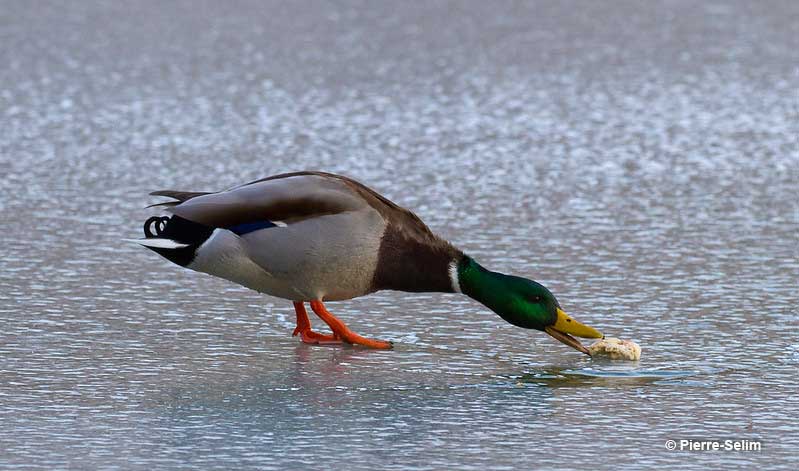
The problem with bread for birds is that it’s all filler. While bread won’t harm birds outright, it doesn’t have any nutritional value either. The more they eat bread, the less nutrition they get and this of course causes health problems.
Eventually, if a bird eats too much bread, it can develop a condition known as “angel wing,” where the bird can’t fly anymore.
Raw meat
Birds need protein, why not raw meat? While birds of prey, jays, crows, and a few other birds might like ground meat, it’s not the best thing to offer them. Raw meat goes bad pretty quick and is easily contaminated with bacteria, some of which can be harmful to birds.
Leave raw meat in your backyard and you’ll also find yourself feeding some other animals. Instead of birds, you might get Raccoons, rats, and attract flies and other bugs. If you live in or near wild places, you might even bring in Coyotes or even a Black Bear!
Mushrooms
Can mushrooms work? While a few birds might eat mushrooms at a feeder, most probably won’t. Putting them on a feeder would probably be a waste of time and wild mushrooms might be toxic.
Some birds can eat the same cooked mushrooms that we put on pizza and use in other recipes but most won’t. It’s best to keep those mushrooms for yourself and feed birds other, better items.
Frequently Asked Questions
What food should you not put in a bird feeder?
You should not put spoiled bird seed, raw meat, avocados, or chocolate in a bird feeder.
What happens when birds eat moldy food?
When birds eat moldy food, they can get sick with infections and even have liver problems.
Can birds choke on some foods?
Yes, birds can choke on food. They can choke on chewing gum and any food item that they swallow whole but is too big to swallow.
Is salty food harmful to birds?
High amounts of salt can be harmful for birds.
Do birds feel spice?
Birds do feel spice, but only certain types of spice, and not the same way people do. They don’t feel the “heat” caused by capsaicin in hot peppers.