

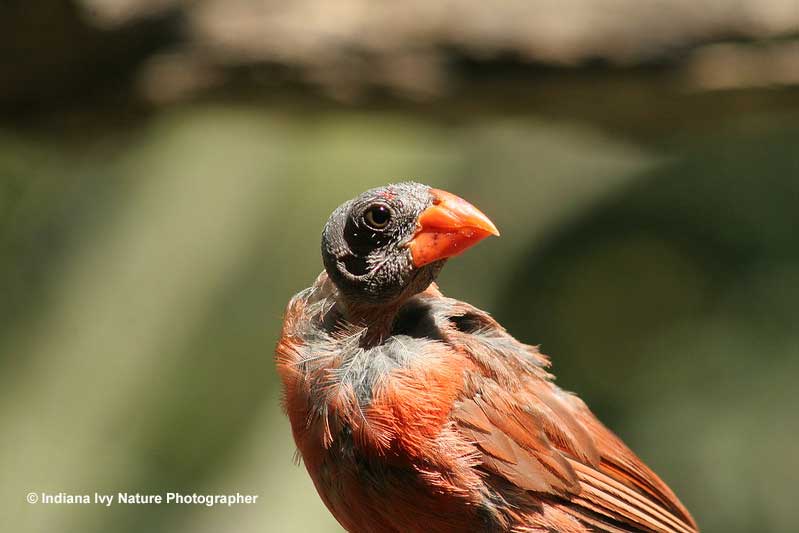
Baldness in cardinals, especially in Northern Cardinals, is a curious phenomenon. These vibrant red songbirds are known for their striking crests and plumage, and yes, sometimes you may spot one with a completely bald head, revealing bare, dark skin where feathers once were.
But why does this happen?
Why Do Cardinals Go Bald?
The most widely accepted explanation for baldness in cardinals is molting; a natural process where birds shed and regrow feathers. It is necessary to remove old and damaged feathers and replace them with new ones.
They typically lose and replace feathers gradually, but sometimes may lose all feathers in one area, such as the head, resulting in temporary baldness. Their weird appearance is usually nothing to worry about.

However, in rare cases, baldness can be a sign of something more concerning. Illness, traumatic injury, parasites, or environmental stressors can also lead to unusual feather loss. Feather mites, for instance, may cause irritation or damage to the feather follicles, leading to localized baldness.
Environmental factors, such as poor nutrition, can also contribute to this condition.
When baldness is linked to illness, it is generally accompanied by other signs. Difficulty flying, walking, or eating, glazed or swollen eyes, or matted, dirty feathers usually go hand-in-hand in these cases.
If you observe a cardinal exhibiting these symptoms, it’s important to remember that there is very little that can be done to help, and it is best to leave the bird undisturbed.
However, if you notice several birds in your area showing these symptoms, it’s crucial to notify your local wildlife agency. This could be a sign of a larger environmental issue or disease outbreak that needs attention.
Do all of them recover?
The vast majority of cardinals do regrow their feathers after a period of baldness, particularly when it is a result of natural molting. It is temporary and new feathers generally grow back within a few weeks, restoring the bird’s appearance to normal.
However, in rare cases where baldness is caused by factors such as severe illness, persistent parasitic infections, or significant environmental stressors, feather regrowth may be delayed or, in some instances, incomplete. If the underlying issue is resolved, the feathers are likely to regrow.
When Do Cardinals Usually Molt?
In North America, Northern Cardinals typically undergo their annual molt in late summer, usually between July and October. Molting is a natural process during which birds shed and regrow their feathers to maintain the health and functionality of their plumage.
The molting period for cardinals generally lasts for about 6 to 8 weeks and up to 12 weeks, though the exact timing and duration can vary depending on factors such as the bird’s age, health, and environmental conditions.

During this time, cardinals may appear scruffy or patchy as old feathers fall out and new ones grow in. While most molt gradually, losing feathers in intervals, some individuals can experience more concentrated feather loss, particularly on their heads, leading to the occasional bald appearance.
This late-summer molt is strategically timed to occur after the breeding season and before the onset of colder weather. Molting this late allows cardinals to enter the fall and winter months with a fresh set of feathers. This is vital for maintaining body heat and surviving harsh conditions.
Frequently Asked Questions
Can cardinals lose all their feathers?
Cardinals do not lose all their feathers at once, but they may lose all their feathers in some spots at once, hence why you may sometimes see a bald cardinal.
How rare are bald cardinals?
Bald cardinals are not extremely rare, but they are considered an unusual sight.
Can female cardinals get bald too?
Both male and female cardinals can experience baldness. However, it may be less noticeable in females due to their more muted coloration.
