

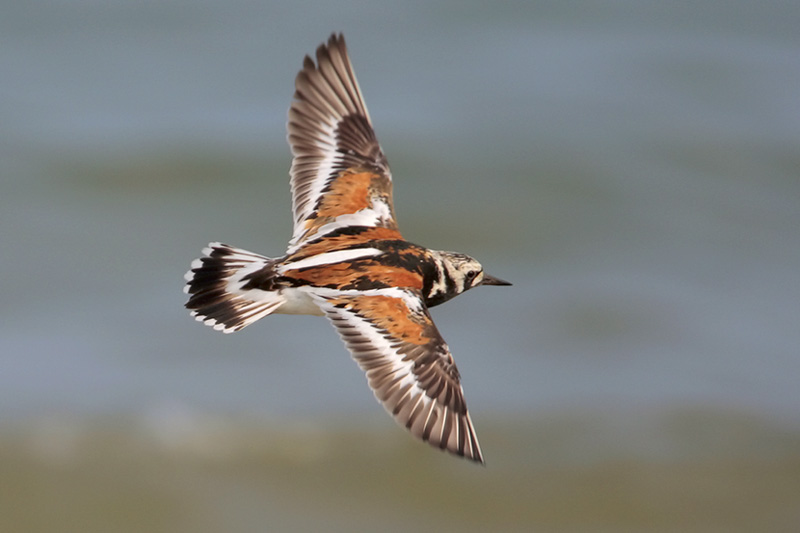
Birds are natural athletes. Their capabilities are truly impressive! Many species fly thousands of miles back and forth from breeding and wintering grounds, others can dive deep underwater, and some birds fly as fast as 90 miles per hour.
There are even birds that live 16,000 feet above sea level and fly as high as the Himalayas! How can birds accomplish these and other incredible feats?
The answer is a specialized respiratory system. How are avian lungs different from other animals? Do they help birds breathe better than other animals?
The Respiratory System Of Birds
The avian respiratory system is a very efficient way to breathe. Much of that efficiency is related to its structure, a system that may have evolved in their avian dinosaur ancestors during times when the atmosphere had less oxygen.
A bird’s respiratory system starts with its nares and trachea. The bird’s nares are basically its nostrils, and although they can breathe through their mouths, birds normally breathe through their nares.
After inhaling, that air descends through their trachea (or windpipe) to eventually reach their lungs. On the way, the trachea branches into two primary bronchial tubes, one for each lung.
Avian lungs are a pair of small, dense, sponge-like organs that sit in the rib cage, near the spine. In most birds, their lungs are filled with primary bronchial tubes that branch off to secondary tubes that fill much of each lung.
Those secondary tubes in turn interconnect with 1800 small tubes that also interact with capillaries. The capillaries take oxygen from the bronchial tubes and bring it to the bird’s organs and cells.
However, a few types of birds don’t have nearly as many of those smaller bronchial tubes. Penguins only have larger, primary bronchial tubes and storks and ducks have limited numbers of secondary bronchial tubes.
Air sacs
Avian respiratory systems also make use of air sacs. Insects also have air sacs and extinct pterosaurs and dinosaurs had them too but they are most developed in birds. The majority of bird species have 9 air sacs but sandpipers, plovers, and storks have 12 while loons and some other birds only have 7 or 6.
No matter the bird, air sacs are a key part of their respiratory system. These delicate structures are found in a bird’s neck, upper chest cavity, and abdomen. One elongated air sac also goes into a bird’s wing bones, sternum, and syrinx.
Air sacs help a bird breathe better while also providing some lightweight cushioning for their internal organs. The air sac associated with the syrinx also helps a bird sing and make other vocalizations.
How Do Their Lungs Work?
Bird lungs inflate, but not as much as other animals. They don’t need to because they get fresh air even when they are exhaling!
As a bird inhales, the air passes through part of its lungs, but most of it goes into air sacs connected to the back of the lungs (posterior air sacs). These sacs also bring air to a bird’s bones. As a bird exhales, it brings the rest of the air in those posterior air sacs into its lungs.
When the bird inhales again, the used up air in its lungs goes into air sacs in front of its lungs. The second time it exhales, the bird pushes that used up air out.
This process ensures that the lungs have oxygenated air, even when the bird is exhaling.
Small birds like hummingbirds can breathe as fast as 143 times a minute! Heavy birds like bustards and turkeys might only breathe seven times per minute. A bird’s breath rate is at its highest in flight. When they fly, birds typically breathe 12 to 20 times higher than their resting breath rate.
Differences Compared To Other Animals
Just like other animals, birds need to breathe. They inhale oxygen, exhale carbon dioxide, and, if they stop breathing, quickly perish. Like us, birds also have lungs and a respiratory system that transfers vital oxygen to their circulatory system.
However, the similarities between bird and mammal respiratory systems more or less end there.
The lungs of mammals and other animals are a pair of bag-like structures that hang in the chest cavity. As they inflate and then deflate, air goes in, and carbon dioxide flows out. However, we could say that both oxygen and carbon dioxide sort of use the same air space within the lungs.

In birds, air flows through their lungs in one direction. Instead of flowing in and out in the same general area, air goes to the posterior air sacs and then passes back through the lungs as the bird exhales.
This efficient way of breathing is also reflected by the difference in structure between mammalian and avian lungs.
While mammal lungs are like bags, avian lungs are spongy, dense structures. Mammal and bird lungs both have bronchial tubes, but the mammal bronchial tube layout resembles a bush, while avian bronchial tubes look more like the interior of a steam engine.
Frequently Asked Questions
How many lungs do birds have?
Birds have two lungs.
Do birds have flexible lungs?
Birds do not have flexible lungs like mammals. Their lungs are much more dense and spongy.
Do birds run out of breath?
Yes, birds can run out of breath. However, they breathe much more efficiently than other animals.
Are bird lungs sensitive?
Since their lungs are so good at taking in oxygen, birds are susceptible to contaminants and aren’t as protected from damage and disease as the lungs of many other animals.