

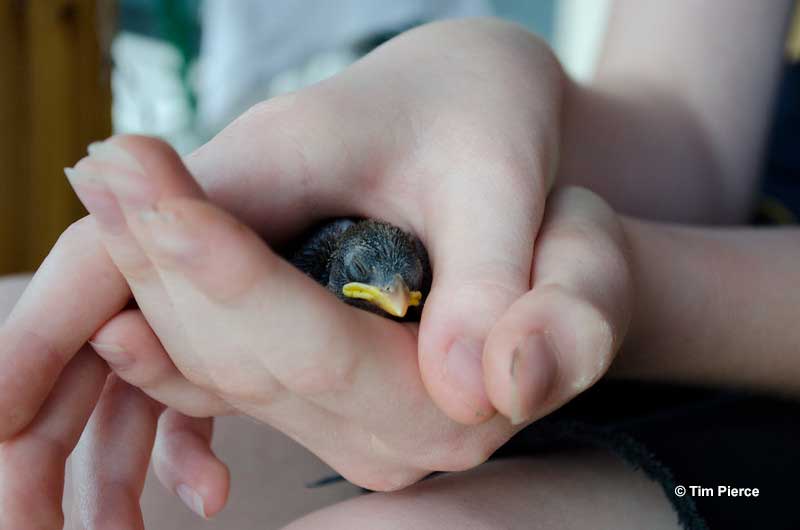
The idea of keeping wild birds as pets might seem appealing to many bird enthusiasts who enjoy observing these fascinating creatures up close.
However, significant considerations and restrictions come into play when it comes to keeping wild birds in captivity. These considerations stem from legal regulations, conservation efforts, animal welfare concerns, and ethical implications.
The Rules And Regulations
Keeping a wild bird as a pet in the United States is generally illegal and strongly discouraged for several important reasons. Most wild bird species are protected under federal and state laws, making it illegal to capture or possess them without proper permits.
Wild birds are not domesticated animals and are not suited to life in captivity. Keeping them as pets can cause significant stress and harm to their well-being.
Additionally, each wild bird species has very specific dietary, housing, and healthcare needs that are difficult to meet in a domestic setting if you do not know what you are doing.
Improper care can lead to serious health issues, developmental problems, and shortened lifespans. Removing birds from the wild can harm local ecosystems and contribute to population declines. You should also keep in mind that wild birds can carry diseases that may be transmitted to humans or other pets.
Instead of keeping wild birds as pets, there are legal and ethical alternatives for bird enthusiasts. Set up bird feeders and baths in your yard to attract and observe wild birds in their natural habitat. Support local bird sanctuaries or rehabilitation centers by volunteering or donating.
And if you really want to keep birds as pets, consider adopting domesticated bird species from reputable sources, such as canaries, finches, or certain parrot species.
What about rehoming injured birds who can’t survive on their own?
It’s important to first determine if a bird actually needs human intervention. Many young birds that appear abandoned are still being cared for by their parents, and some adult birds may put on a “broken wing display” in an attempt to lure predators and intruders away from their nest and offspring, even though they are not injured.
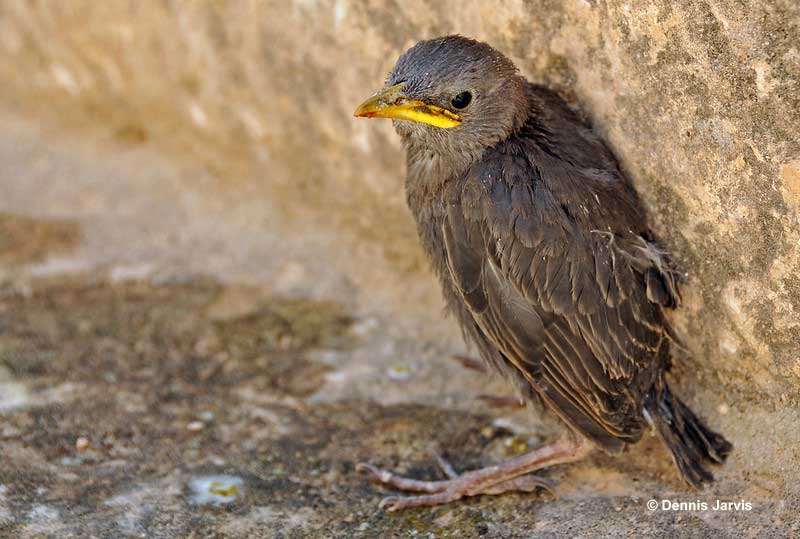
If you do find an injured adult bird or one that needs help, contact a licensed wildlife rehabilitator in your area for guidance. They are your primary resource for helping injured wild birds and have the necessary expertise and legal authority to do so.
If you can’t reach a rehabilitator, call local veterinary clinics or humane societies for assistance. As a last resort, carefully contain the bird and keep it in a quiet, dark place until you can get professional help.
It’s generally not legal or advisable for members of the public to attempt to rehome or keep wild birds long-term.
Wildlife rehabilitation requires specific permits and expertise. The goal of wildlife rehabilitation is typically to release animals back into the wild when possible. For birds that cannot be released due to permanent injuries, placement options are limited and typically handled by licensed facilities or rehabilitators.
In some cases, licensed wildlife rehabilitators may keep non-releasable birds for educational purposes or permanent care. These birds are typically injured or imprinted and cannot survive in the wild.
Exceptions
While keeping wild birds as pets is generally illegal and discouraged, then there are a few exceptions and specific circumstances under which it may be permissible. These exceptions typically involve strict regulations and guidelines to ensure the welfare of the birds and the conservation of their populations.
Parrots
Parrots, budgies, and other tropical birds are popular pets due to their intelligence, ability to mimic human speech, and vibrant colors. They can form strong bonds with their owners and provide companionship.
Unlike many wild birds that are protected from being kept as pets, most parrots and tropical birds in the pet trade are bred in captivity and are thus not considered wild anymore.
Captive breeding programs are designed to meet the demand for these birds without impacting wild populations. These programs are often regulated to ensure the health and genetic diversity of the birds, making them suitable for life in captivity.
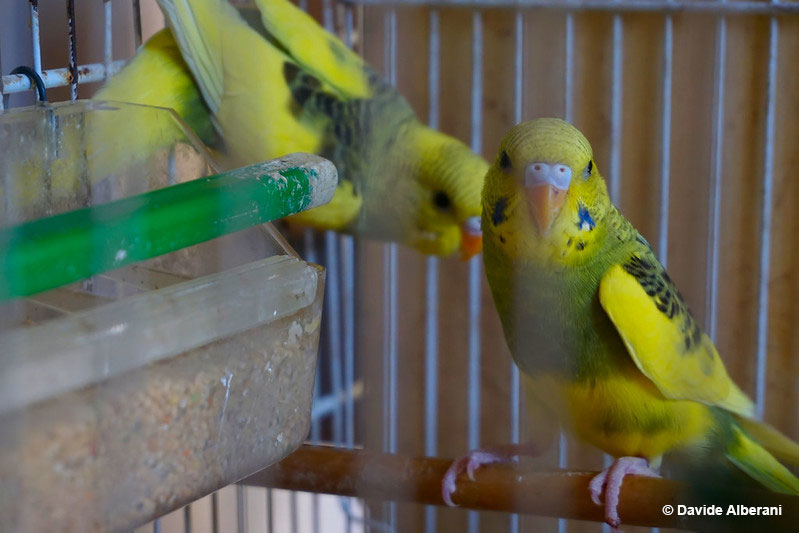
Unless you’re planning to get a bird that’s listed in the Endangered Species Act, then you do not need a permit. Make sure to check with your local laws and regulations, just to be sure.
However, keep in mind that many parrots and other tropical birds can live for decades and might even outlive you, so be prepared for a long-term commitment.
These birds are highly social and require significant interaction, mental stimulation, and enrichment. Without proper care and attention, they can develop behavioral issues such as feather plucking and excessive screaming and become destructive to the environment around them.
Falconry
Falconry is permitted as an exception to the general prohibition on keeping wild birds as pets due to its regulated nature and contributions to conservation. It dates back thousands of years and across various cultures around the world. In some regions, it is even recognized as an intangible cultural heritage.
This is a highly regulated practice that allows trained and licensed falconers to keep certain birds of prey (not just falcons or hawks, but owls too) for hunting purposes. It is not considered pet ownership in the traditional sense, as it involves strict regulations, extensive training, and a commitment to the bird’s welfare and conservation.
In North America, falconry began to take root in the early 20th century, influenced by European tradition. It is governed by both federal and state laws and each state, tribe, or territory must establish its own falconry laws that meet or exceed federal standards.
Falconers often participate in conservation programs, including captive breeding, rehabilitation, and reintroduction of endangered raptor species, contributing to the recovery of species such as the peregrine falcon.
Frequently Asked Questions
Is it possible to befriend your backyard birds?
It is possible to befriend your backyard birds, but it requires patience, consistency, and respect for the birds’ natural behaviors. Offer food, water, and nesting sites, establish and maintain a routine, and be patient and respect their space.
Are birds scared of humans?
Birds are often naturally cautious and wary of humans. This behavior is an evolutionary adaptation that helps them avoid potential predators and threats.
Why can’t we keep wild birds as pets?
Keeping wild birds as pets is generally discouraged and often illegal due to several important reasons related to ethical, legal, ecological, and welfare concerns. Capturing wild birds can lead to declines in wild populations, it can disrupt local ecosystems, and cause distress for the bird.

chip
Wednesday 18th of September 2024
Can you give me feedback on feeding Roadrunners in NM. Are there any concerns as to what I should feed them, Thank You