

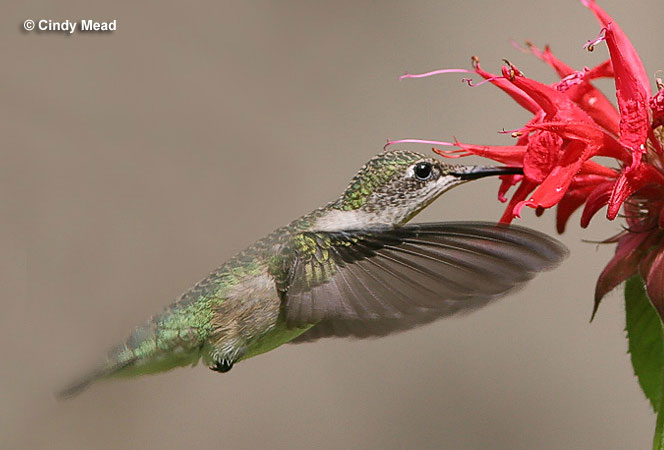
In Indiana, the Ruby-throated Hummingbird is the only species you’ll reliably see each year.
These tiny birds usually arrive in late March or April after their long migration from Central America, bringing energy and color to backyards, parks, and woodlands through the warm months. By late August and into September, they begin their southbound journey, leaving the Hoosier State until the following spring.
On rare occasions, western wanderers such as the Rufous or Black-chinned Hummingbird may appear, but the Ruby-throated is the true seasonal resident of Indiana.
Why Is the Ruby-throated Hummingbird the Only Species in Indiana?
 Geography
Indiana lies in the eastern half of North America, squarely within the breeding range of the Ruby-throated Hummingbird. This species dominates the eastern U.S., while most other hummingbirds remain in western regions, far from Indiana’s landscapes.
Migration Routes
Ruby-throated Hummingbirds migrate each spring from Central America, flying north through the Gulf Coast and Midwest before reaching Indiana. Their established route reliably passes through the state, unlike western species whose paths rarely cross into the region.
Climate & Habitat
Indiana’s warm summers, mixed woodlands, and nectar-rich gardens provide exactly what Ruby-throats need to breed and thrive. Their small nests fit well into forest edges and suburban areas, ensuring a stable seasonal presence. Other species are better suited to drier, mountainous, or coastal habitats not found in Indiana.
Vagrants
Occasionally, adventurous wanderers like the Rufous or Black-chinned Hummingbird appear in Indiana. These rare “vagrants” excite birders but never establish lasting populations. As a result, the Ruby-throated remains the only consistent, breeding hummingbird in the Hoosier State.
The Departure Window in Indiana
For most Ruby-throated Hummingbirds in Indiana, the journey south begins as summer gives way to fall. The first signs of departure often appear in late August, when activity at backyard feeders suddenly increases. By then, hummingbirds are fueling up on nectar and insects, building the fat reserves needed for their long migration.
Early September usually brings the peak of departures, and by mid-September, the majority of hummingbirds have left the state. Still, it’s not unusual for a few late stragglers—often younger birds from late-season nests—to linger into late September or even early October.
Because migration is triggered by daylight and instinct rather than food availability, leaving feeders up longer will not delay their journey. In fact, keeping them filled into October ensures that any last travelers have a much-needed energy stop on their way south.
What Triggers Their Departure?
The timing of hummingbird migration from Indiana isn’t random—it’s rooted in biology. Ruby-throated Hummingbirds respond mainly to changes in daylight hours rather than weather or the presence of feeders. As the days shorten in late summer, their bodies undergo hormonal changes that spark a stronger appetite and prepare them for long-distance travel.
During this stage, they enter what’s called hyperphagia, a period of intense feeding where they nearly double their body weight in fat. This fat serves as the fuel for their nonstop flights, including the daunting trek across the Gulf of Mexico. Even if warm weather lingers into September, hummingbirds will still depart right on cue, guided by instincts that have been finely tuned over thousands of years.
The Right Time to Take Feeders Down

hummingbird feeder
A common worry among backyard bird lovers is that leaving feeders out might discourage hummingbirds from migrating. Fortunately, that’s a myth. Migration is controlled by internal cues, not by the availability of sugar water.
The best practice in Indiana is to keep your feeders up for at least two weeks after your last hummingbird sighting. For most areas, this means leaving them out until late September or early October. Doing so provides a critical energy source for any late travelers or young birds making their first journey south.
Keeping feeders available longer than expected doesn’t delay migration—it ensures every hummingbird that passes through your yard has the fuel it needs to complete one of nature’s most remarkable journeys.
How to keep bees away from hummingbird feeders?
A Seasonal Guide for Indiana Homes
Hummingbirds follow a clear rhythm in Indiana. In spring (late March–May), Ruby-throated Hummingbirds arrive from Central America—have feeders clean and ready.
By summer (June–July), females nest while gardens with bee balm or trumpet vine keep yards lively.
Late summer to fall (August–September) brings intense feeding as birds bulk up for migration; adding extra feeders reduces squabbles.
By October, most are gone, though rare stragglers may linger. Keep feeders out until two weeks after your last sighting to support late travelers, then prepare your yard with nectar-rich plants for next year’s return.
| Time of Year | Hummingbird Activity in Indiana |
|---|---|
| Late March – April | First Ruby-throated Hummingbirds return; males usually arrive first. |
| May – July | Nesting season; females raise young, steady feeder and flower visits. |
| August | Hyperphagia begins; birds feed heavily to store fat for migration. |
| Early–Mid September | Peak migration; most Ruby-throats leave Indiana. |
| Late Sept – Early Oct | Occasional stragglers, often young birds, may still appear. |
| October – March | Hummingbirds absent; rare visitors like Rufous may wander in. |
Final Thoughts on When Hummingbirds Leave Indiana
Hummingbirds leave Indiana between late August and mid-September, guided by instinct and shorter days rather than weather.
A few may linger into October, but most are well on their southward journey before fall deepens.
For homeowners, keeping feeders up a little longer offers vital support for late travelers. Their departure is both a farewell to summer and a reminder of the incredible resilience of migration.