

Our feathered friends have a number of attributes that set them apart from mammals, reptiles, and other wildlife. Instead of arms, birds have wings! No fur nor teeth for birds, only feathers and beaks.
But what about their feet? How different are bird feet from those of other animals?
The Anatomy Of Bird Feet
Bird legs and feet have some similarities with mammals and reptiles. They have a femur (the bird’s thigh), a “shin bone” or tibiotarsus connected with the femur at the bird’s knee, and fused and lengthened foot bones known as tarsometatarsi.
Although it looks like bird knees bend backward, that connection is actually the bird’s ankle and birds walk on their toes!
Their feet usually have four toes or three toes with a very small or vestigial back toe, and are tipped with a claw or talon. One exception is ostriches. These flightless birds have two big toes; just enough for their terrestrial, running lifestyle.
The feet of most birds are naked with tough, scaly skin although ptarmigans and some other species of cold habitats have feathered feet.
Bird toes are attached to their leg muscles with strong tendons and are said to be “flexed.” Most have tough pads on the bottom of their feet. To help them hold onto slippery prey, Ospreys and some other birds of prey also have tiny, sharp points covering their foot pads.
Since birds use their feet for all sorts of important reasons, it’s no wonder they have a variety of adaptations, especially their toes.
Toes
Bird toes can take a variety of forms, especially how they are aligned on a bird’s foot. Toe placement and strength are related to what birds feed on, how often they perch, and other aspects of their lifestyle.
The following are the five main types of bird toes or bird-toe placements.
Zygodactyl
This is when a bird has the second and third two in front and the first and fourth toe in back. To me, when their toes are spread, I think the shape looks like an “X”. Birds with zygodactyl toes often use their feet to clutch prey or other types of food.
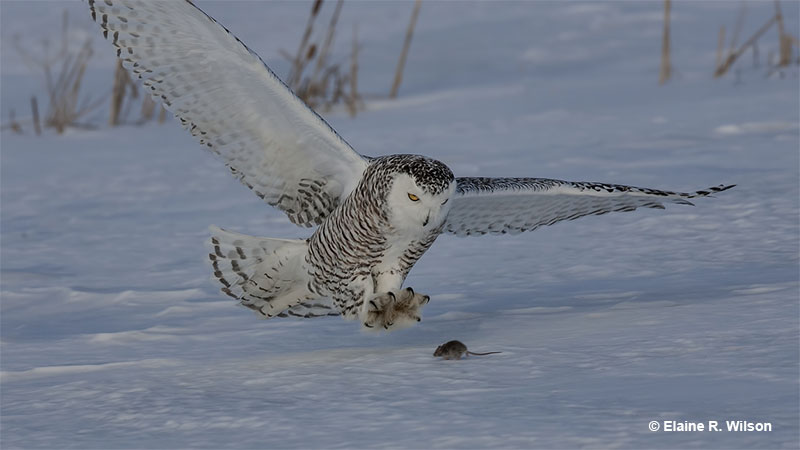
They include owls, Ospreys, and parrots. Woodpeckers also have zygodactyl feet, as do cuckoos and Cuckoo Rollers. It’s easy to see how this type of foot can help a woodpecker cling to a tree, but cuckoos are another story.
They don’t catch prey with their feet nor climb up tree trunks. It’s hard to understand how zygodactyl toes aid cuckoos in some way. Perhaps it is related to some ancient adaptation that’s no longer needed?
Anisodactyl
Most folks see this as the common or typical bird foot because songbirds and many other birds have feet like this. Anisodactyl feet have three toes in front and one in back.
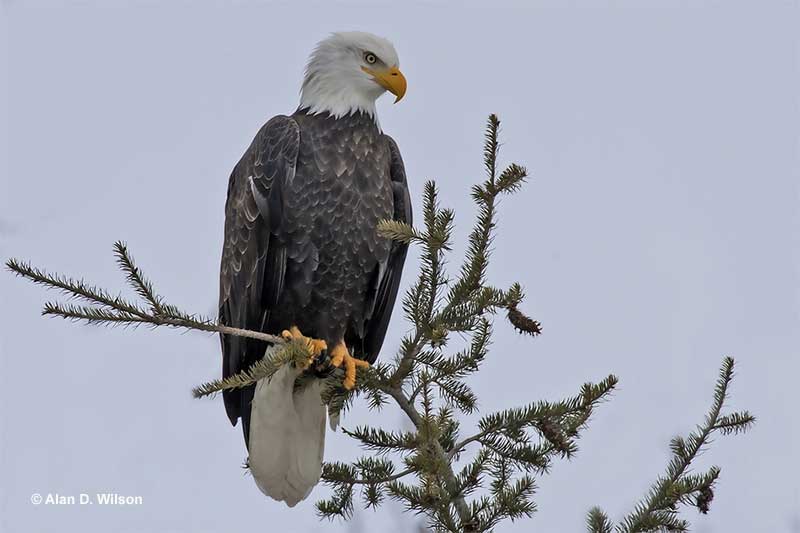
This type of toe arrangement might be so prevalent because it works very well for perching on branches, clutching prey (hawks and eagles), as well as running on the ground.
Syndactyl
Syndactyl feet look a lot like anisodactyl bird feet. However, with a close look, we can see that two of the three toes in front are actually joined together for some of their length!
The next time you see a perched kingfisher, if you can, focus in on their toes. With a close look, you’ll see that two of those toes are partly fused together.
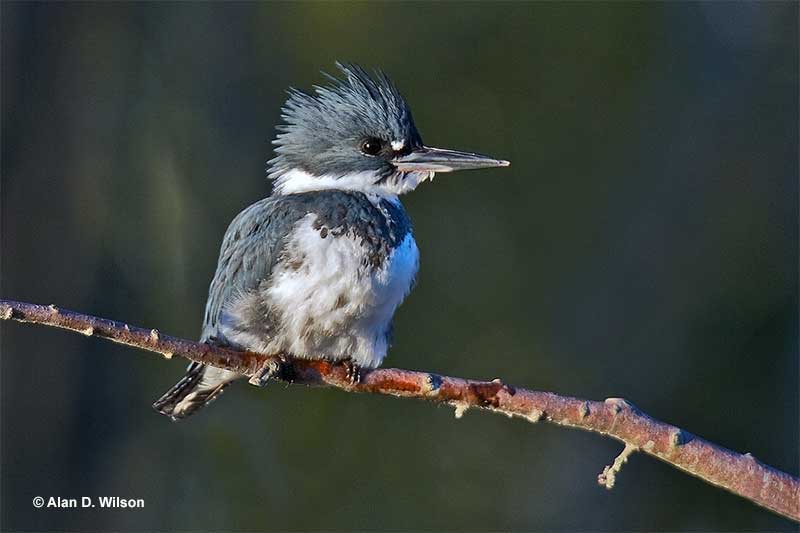
In addition to kingfishers, other Coraciiformes can also have syndactyl feet including hornbills, bee-eaters, and motmots. It’s possible that these birds have this toe arrangement to help them dig out nesting burrows.
Heterodactyl
To the untrained eye, this toe arrangement looks just like zygodactyl feet. There are two toes in front and two in back, but birds with heterodactyl toes have the first and second toes in back instead of the first and fourth toes in back.
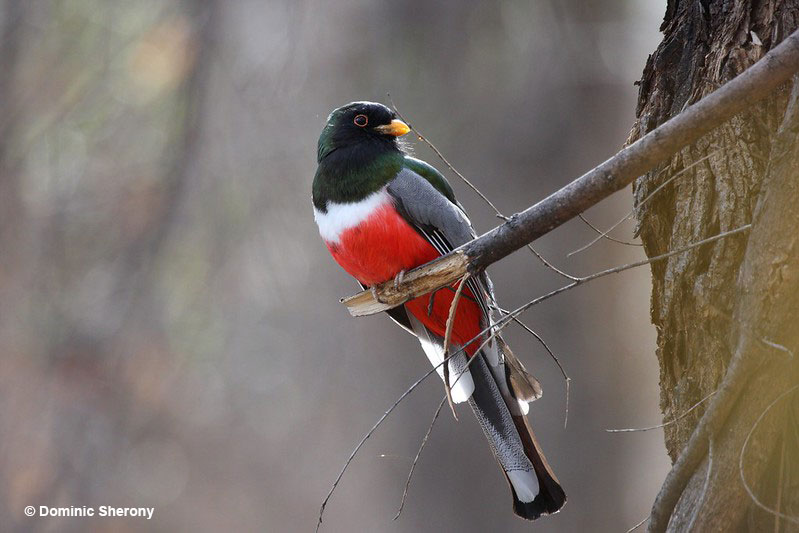
The only birds that have this toe arrangement are the trogons. Although heterodactyl feet might help them perch on a branch for long periods, it’s hard to guess why they have them.
Pamprodactyl
This is an interesting toe arrangement where the bird usually has two toes in front, and two in back but it can also move all four toes to the front. We find this type of foot in some swifts and mousebirds.
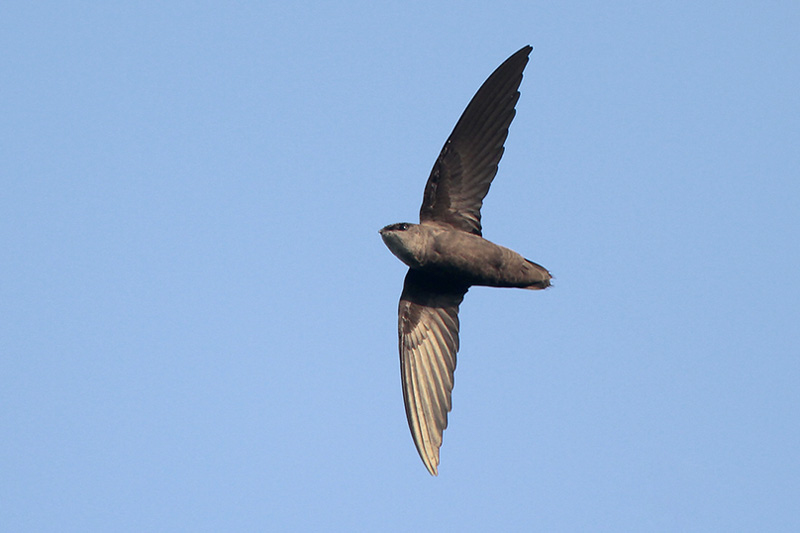
Photograph © Greg Lavaty.
In the case of swifts, having all four toes in front can help them cling to hard surfaces for roosting. Mousebirds might have toes like this to help them clamber through bushes and other vegetation.
Waterfowl
Ducks and other waterbirds have anisodactyl feet but they are very different from the feet of birds like warblers and pheasants. To propel them through water, their toes are connected with webbed membranes.
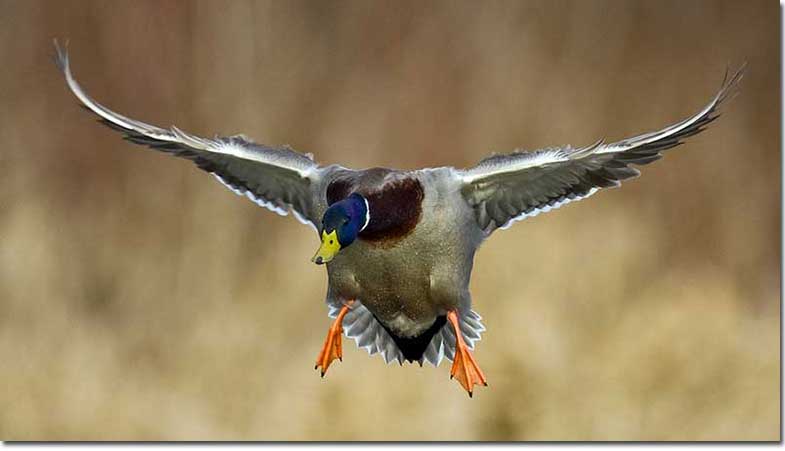
We also see this in Anhingas, cormorants, loons, and other aquatic birds.
How Do Birds Use Their Feet
Perching
This is one of the most common and important ways birds use their feet. To find more food and avoid predators, a lot of birds live in and move through vegetation. This can be in trees high above the ground or in low bushes.
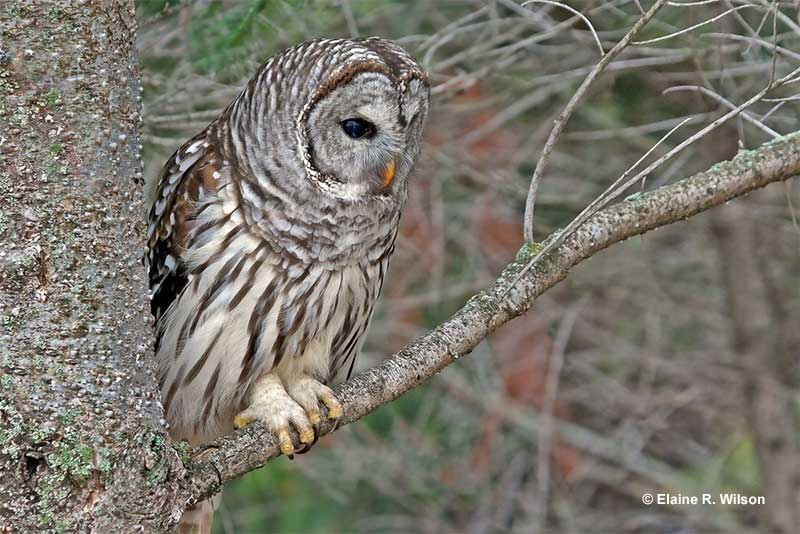
Either way, birds use their strong feet to hold onto branches and keep them from falling. At night, their toes also lock onto branches so they can roost and sleep without falling off.
Walking, hopping, and running
Just like people, birds also use their feet to move. The first time I saw a Bobwhite, I was surprised at how fast it could run! This species, Greater Roadrunners, and other ground birds have feet adapted for that purpose.
Other birds use their feet to stand and then hop forward while herons, starlings, and grackles walk on the ground. On African plains, Bustards also spend a lot of time walking on open ground as they forage.
Scratching
Birds use their feet both to scratch the ground and to scratch an itch. If you’ve ever seen chickens in action, you’ve probably seen them use their feet like this.
Those familiar birds, pheasants, and other ground birds scratch the ground to reveal seeds and bugs. Towhees, sparrows, other some small birds also use both feet to scratch in leaf litter. Sometimes, I find these birds by listening for them using their feet to rustle the leaves.
Preening
If birds had hands, they would probably use them to fix their feathers. However, since they have wings instead of hands, they have to use their beaks and feet to preen.
To clean and spread preen oil on their face and head, birds put some on their claws or a foot, stretch their leg up, and brush it on their head.
Storks, herons, nighthawks, and some other birds might also use the comb-like structure on their middle toe to preen.
Climbing
Some birds use their feet for climbing. Woodpeckers have sharp claws and strong feet to help them hitch their way up tree trunks.
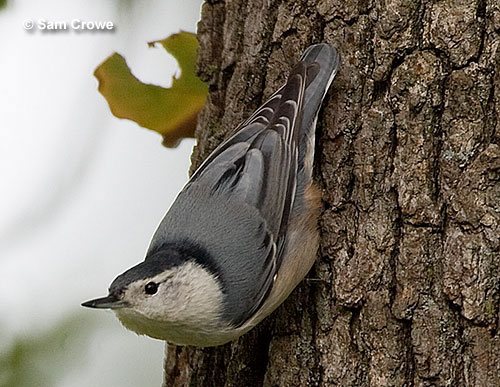
Nuthatches do the same thing but often move along branches and descend trees headfirst!
The Brown Creeper is another small bird that climbs up tree trunks, a lot like a woodpecker. In Costa Rica and other tropical places, they are replaced by several species of larger woodcreepers that also constantly climb tree trunks.
Clutching prey
Hawks and owls have sharp beaks but their feet are their deadliest weapons. Red-tailed Hawks, Great Horned Owls, and other hawk and owl species use their sharp talons to snatch and kill prey.
After catching a mouse or other small animal, these birds of prey often open and close their feet a few times. That’s usually enough to pierce vital organs and kill their prey. Their feet also have very strong grip strength, especially eagles!
Striking prey
Some birds of prey also use their feet to strike their prey, a lot like a clenched fist!
Secretarybirds and seriemas use their feet to hit snakes, while Peregrine Falcons and other falcon species strike pigeons and other birds with their feet. They often rake them with an extended claw but can also “punch” them in flight.
Those hunting techniques wouldn’t work as well from a perch but when a Peregrine dives at 100 plus mph, its feet are lethal!
Swimming
Specialized feet are essential for birds that swim underwater. Loons, grebes, scaup, cormorants, Anhingas, and other swimming birds have natural foot flippers. They use their webbed or lobed feet to propel themselves through the water column.
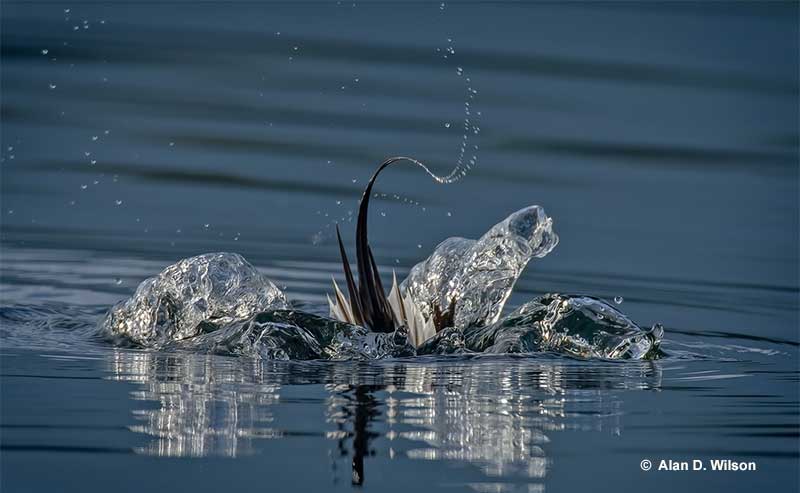
Long-tailed Duck mid-dive
Diving ducks swim down to pick crustaceans from the bottom while the feet of mergansers help them pursue and catch fish.
Geese and swans might not dive underwater, but they also need their webbed feet to paddle around ponds and lakes.
Courtship
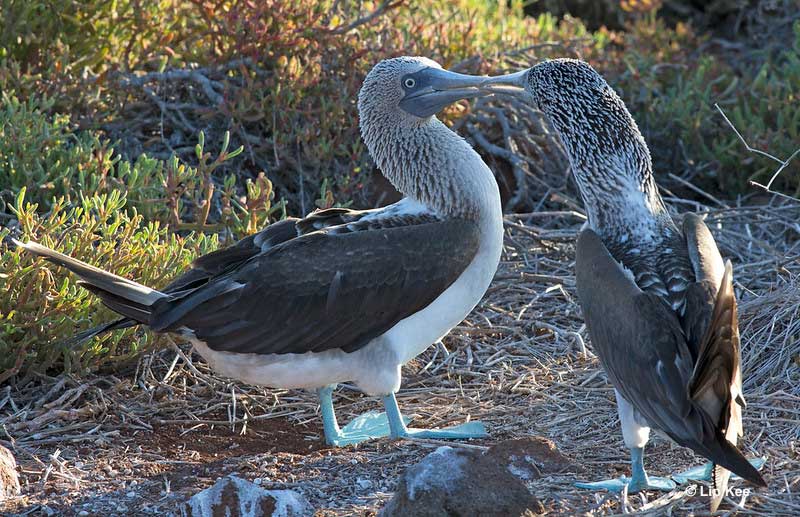
Some birds use their feet to find a mate. Some of the most famous of foot courtship birds are the boobies. In particular, pairs of Blue-footed Boobies stretch out and show each other their blue feet.
Eagles and hawks also use their feet for courtship although in much more exciting fashion. After flying high into the air, the male and female reach out and lock talons. As they quickly fall, the pair spins together in mid air!
Incubation
Birds can also use their feet to help with incubation. For the Emperor Penguin, successful incubation is all about the feet!
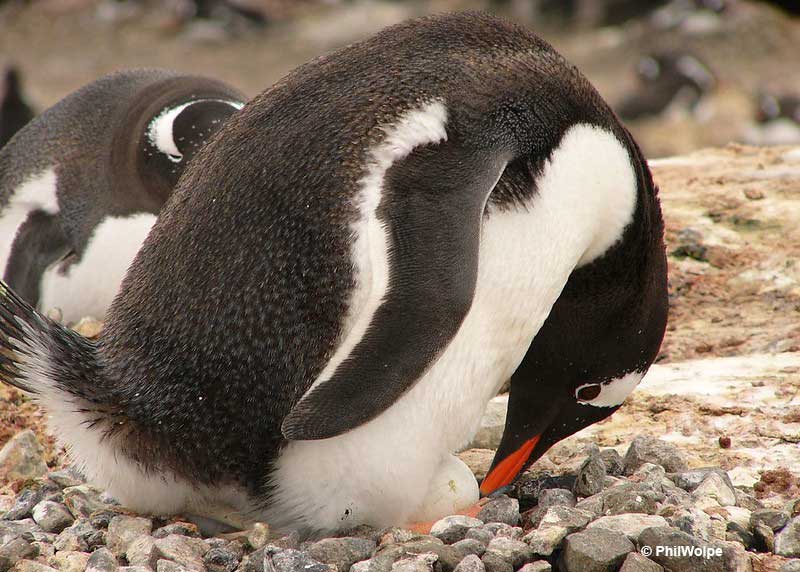
After the female lays her one egg, she carefully transfers it to the top of the male’s feet. He uses his feet to keep it off the cold ground and warm until the egg hatches.
Some sources claim that White-tailed Tropicbirds use their feet to warm and incubate their eggs, too.
Frequently Asked Questions
Do bird feet have nerve endings?
No, bird feet have very few nerve endings. They are mostly made of tendons and bones with few nerves.
Do birds have feet or toes?
From the anatomical side, birds have both feet and toes.
What kinds of bones do bird feet have?
Bird feet have a tarsometatarsus, tibiotarsus, and phalanges. The tarsometatarsus is a long bone that helps them walk on their toes, the tibiotarsus is a type of fused “shin bone,” and the phalanges are their toe bones.
Are there any birds that don’t have feet?
All birds have feet. However, for some birds, they are weaker and often hidden (hummingbirds and swifts are the first ones that come to mind).