

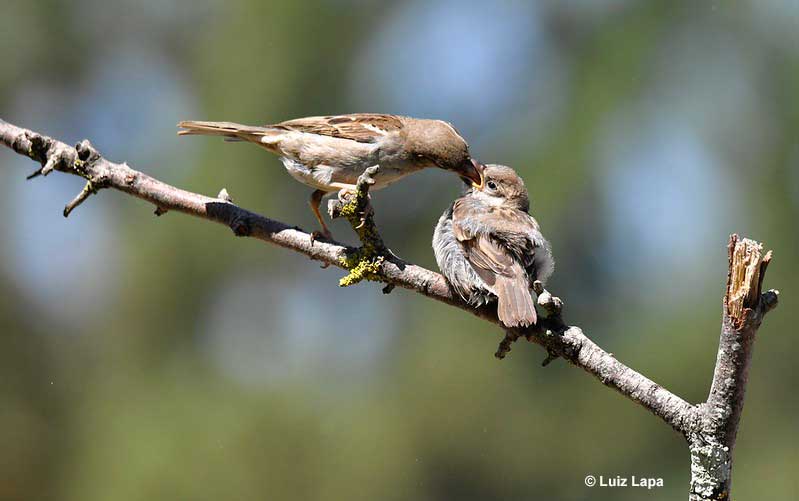
Raising a baby sparrow is a deeply rewarding yet demanding experience that requires patience, commitment, and a lot of care.
When I first found a tiny, featherless bird in my backyard, I had no idea how much responsibility I was taking on. I was just a kid, and it was a long time ago. Somehow, they survived, and over the years, I’ve raised around 10 sparrows.
I want to share my experience so that others who might find themselves in a similar situation know what to do.
Finding the Baby Sparrow: Assessing the Situation
One morning, in the early morning, I stepped outside and noticed a small, motionless bird lying on the ground under a tree in my backyard. At first, I wasn’t sure if it was alive. It looked so fragile, barely moving, with its eyes closed. I knew I had to be careful.
The first thing I did was check the surroundings.
I looked up at the tree to see if there was a nest it could have fallen from. Often, parent birds are nearby, watching, so it’s important not to intervene too quickly. However, after waiting and observing for about an hour, it became clear that this baby was alone—likely abandoned or fallen from a nest too high to reach.
In such situations, it’s also crucial to check for injuries. A bird that has fallen from a great height might suffer from internal injuries or broken bones. If I had noticed any signs of serious distress, such as labored breathing or an inability to move at all, then it would be it – a nature decision.
Fortunately, this little bird seemed to be simply in need of warmth and food.
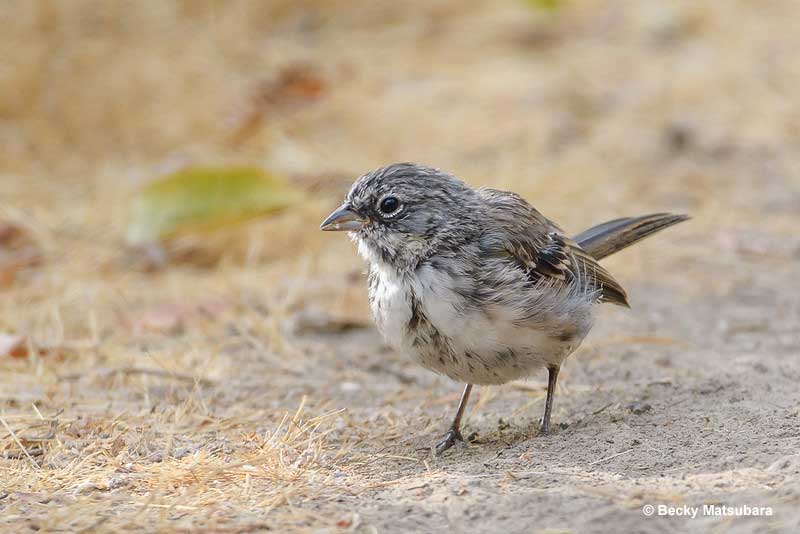
Creating a Safe and Warm Environment
Newborn birds, especially those without feathers, cannot regulate their own body temperature, so the first thing I had to do was provide warmth. I took a small box and lined it with soft tissues, making a cozy nest-like space.
To keep it warm, I placed a heating pad under half of the box, allowing the baby sparrow to move away if it got too warm.
I placed the box in a quiet and safe spot in my home, away from pets and direct sunlight.
A stable, warm environment was crucial at this stage. A baby sparrow left in a cold setting for too long can quickly weaken and pass away.
Feeding the Baby Sparrow: A Delicate Process
At first, I had no idea what to feed the bird. Female sparrows have. I don’t, sorry.
A quick online search told me that baby sparrows need a high-protein diet. Unlike the common myth of feeding bread or milk, which can be harmful to birds, their diet in the wild consists mainly of insects and soft foods.
I started by softening high-protein dog kibble with warm water until it became mushy.
Then, using tweezers, I gently touched the bird’s beak to encourage it to open its mouth. Once it did, I carefully placed tiny bits of food inside. Baby sparrows need to eat frequently—about every 20 to 30 minutes during the day. So it’s a hell of a challenge!
Hydration was also important.
However, giving water directly to the bird can cause it to choke, so instead, I ensured its food had enough moisture.
After a few days, I introduced small pieces of scrambled egg to supplement its diet.
Eggs are a great protein source and closely resemble the nutrients young birds receive from insects. Mealworms were another excellent addition, which I started introducing once the bird showed signs of being able to handle slightly firmer food.
© Blondinrikard Fröberg
Watching It Grow: The Development Stages
Within a few days, I noticed small changes.
The baby sparrow began to develop more feathers and became more active. After about a week, it no longer needed constant warmth from the heating pad, as its own feathers helped regulate its temperature.
By the second week, it started making small chirping noises and stretching its wings.
It also began recognizing me as its caretaker and would open its mouth wide whenever I approached, expecting food. I knew that while this bond was sweet, I had to prepare it for the wild, which meant gradually reducing human interaction over time.
During this phase, I also made sure to keep background noises natural. I played recordings of sparrow calls so that my bird would become familiar with the sounds of its species. This was important for its eventual release, as it needed to recognize and communicate with other sparrows.
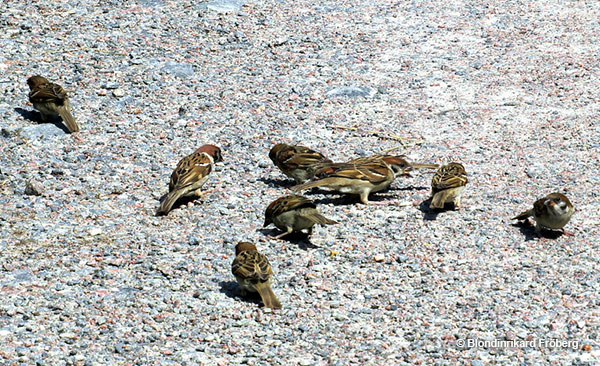
How to identify sparrow species.
Teaching It to Eat Independently
As the sparrow grew stronger, I introduced a small dish of softened food in its enclosure. At first, it didn’t recognize the food as something it could pick up on its own, but over time, curiosity led it to peck at the pieces.
To prepare it for life outdoors, I also introduced small mealworms and bits of fresh fruit. Gradually, I decreased hand-feeding and let the bird practice eating on its own.
One key moment was when the sparrow finally pecked at dry seeds on its own.
This showed that it was ready to transition to a more natural diet. I kept providing a variety of food, including millet and sunflower seeds, ensuring that it had plenty of options to choose from.

Flight Training and Encouraging Natural Behaviors
One of the biggest milestones was when the sparrow attempted to flap its wings and hop around.
I set up a safe indoor space where it could practice flying. I encouraged it by placing food at different spots so it would try to reach them by jumping and flying short distances.
During this stage, I also made sure to provide natural perches, such as small branches, to help the bird develop proper foot grip and balance.
I minimized direct human contact to encourage independent behavior.
I also began placing small mirrors around its enclosure so that it would see its own reflection and get used to the idea of interacting with another bird. Some experts suggest this helps reduce over-reliance on humans.
Preparing for Release
As much as I had grown attached to my little sparrow, I knew it needed to return to the wild.
By week four, it had grown strong enough to fly confidently and was eating on its own. The final step was introducing it to an outdoor environment.
I placed the bird in a large outdoor enclosure for a few days, allowing it to experience fresh air, hear other birds, and adjust to natural surroundings.
This transition was crucial because releasing it too suddenly could put it in danger.
Finally, on a bright and calm morning, I opened the enclosure door.
At first, the sparrow hesitated, looking back at me as if unsure. Then, with a few strong flaps, it took off, landing on a nearby tree branch. I watched as it hopped and explored its new world.
Over the next few days, I spotted it in my yard, adapting well to its environment. It was a bittersweet moment, but I knew I had done the right thing.
© Elaine R. Wilson
Lessons I Learned
Raising a baby sparrow was a challenge, but it taught me so much about responsibility, patience, and the beauty of nature.
I learned that even the smallest creatures require care and attention, and that humans can play a role in helping them survive when necessary.
If you ever find a baby bird, remember to assess the situation before intervening. Sometimes, the best thing you can do is leave it alone and observe.
However, if you must step in, be prepared to commit to the care it needs. Ultimately, the goal should always be to help the bird return to where it belongs—the wild.
In the end, watching that little bird take flight was one of the most fulfilling moments of my life. The connection we shared was temporary, but the lessons I learned will stay with me forever.