

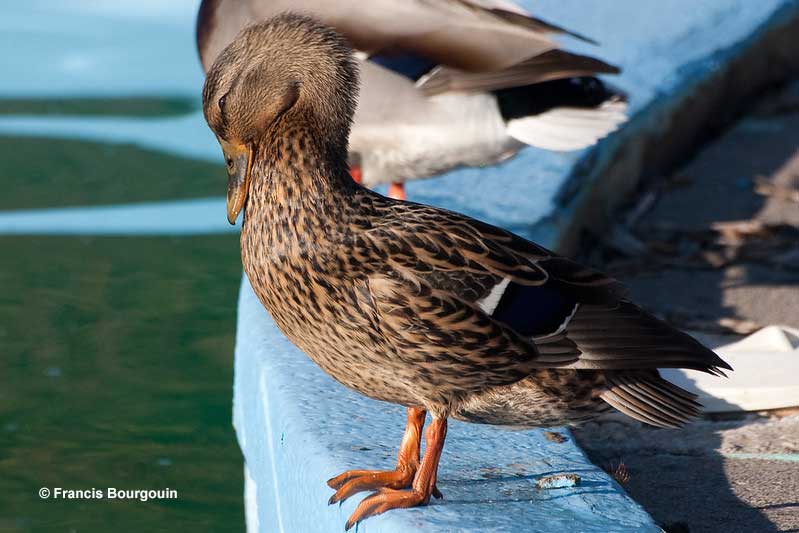
Ducks are unique and beautiful birds. They are also fun to watch and easy to see, especially when they feed in small ponds and lakes.
However, these waterbirds aren’t as fun when they visit backyard pools! It can be exciting to see ducks at such close and personal range but that excitement doesn’t last for long. Ducks don’t belong in pools; it’s not good for your pool, nor for the ducks.
Why do ducks visit pools? How can you keep them out of your pool?
Ducks And Pools
A pool isn’t the best place for a duck, but they sometimes pay a visit. We can’t blame them for landing in a pool, either. After all, ducks are waterbirds always on the lookout for a lake, pond, river, or other body of water.
Ducks usually end up in a pool because they are searching for wetland habitats or because they are migrating overhead, notice a pool, and fly down to rest. They are also more likely to land in isolated pools, especially in arid habitats that have few wetland options for waterbirds.

For the most part, only a few species visit pools, especially Mallards and other dabbling ducks that like shallow water. Black-bellied Whistling-Ducks are also especially frequent in backyard pools, probably because they wander in search of marshes and other shallow wetlands.
Other ducks can also land in pools, but only on rare occasions. Buffleheads and other diving ducks are pretty rare visitors to pools because they prefer much larger bodies of water. These ducks need those habitats and coastal waters so they can forage for mollusks and other small creatures.
Mergansers don’t usually come to pools either because they also need larger bodies of water with lots of fish.
Bird-friendly ways to deter unwanted ducks
Use a solar cover
Ducks won’t land in water if they can’t see it. They won’t go to water if they can’t access it either. Put a solar cover on the pool, and that should keep ducks away. Just make sure that it completely covers the pool and doesn’t leave any open spots where ducks can get to the water. If so, they could get trapped underneath the solar cover!
Another bonus of using a solar cover is keeping debris from falling into the pool while also raising the water temperature. It’s an easy way to protect your pool water, more or less hide it from ducks, and have the water ready for a comfortable swim.
Animal pool toys
Floating toys are a fun way to keep ducks out of the pool! Wild ducks are very careful about where they swim, fly, feed, and nest. With eagles, coyotes, and so many other predators ready for a duck lunch, they can’t afford to let their guard down!
If a duck is flying overhead and sees some “animals” in a pool, it will probably think twice about dropping down to that otherwise inviting “pond.” Ducks would rather not take the chance of flying to water with potential predators, even if they don’t fully recognize those animals.
This is why they’ll probably stay away from pools with toy snakes, dinosaurs, sharks, or even inflatable unicorns. Put any of those and other pool toys in the water and ducks should keep their distance.
Automatic pool cleaner
If you have one of these handy items, your pool should be duck-free. Just as people would rather not share pool space with a noisy, robotic thing moving underwater, ducks don’t want to either. Waterfowl don’t like the noise, nor do they feel comfortable around all of that underwater activity.
Basically, it’s all about perspective. When we see a pool cleaner, we know what it is and are happy that it’s cleaning the bottom of the pool. Let’s look at that machine with duck vision and the pool cleaner is something else entirely.
For ducks, it’s a big unknown that could just maybe be a predator. Maybe, maybe not, but no point in taking a chance. If you are a duck, you’re better off flying on and finding a much more welcoming and peaceful body of water.

Pet dogs
Dogs are every person’s best friend! It’s true, bond with a dog, and they’ll love you forever. They’ll also keep ducks from landing in the pool. Once again, ducks are going to stay away from any potential predator and since Coyotes and foxes routinely hunt them, they don’t exactly trust canines.
Let your dog (or dogs) roam the backyard, and ducks won’t dare to come close. Any place with a dog is a big “no, no” for a duck. If ducks spot a dog, they won’t hesitate to keep their distance. Same thing if they hear dogs near the pool. But what if waterfowl have already found a pool, and dogs come running and barking?
Well, let’s just say that you’ll have a chance to identify ducks in fast flight! They won’t come back either; ducks remember the “dangerous spots” that they need to stay away from.
Use scents to repel ducks
Ducks actually have a fair sense of smell. Like us, they also like some smells and abhor others. Sprinkle some of those anti-duck odors at the edge of the pool or on nearby vegetation, and they can keep ducks away.
We can also cultivate plants that make those same scents around the edge of the pool. Some of the scents and plants that keep ducks away are ones that also make good additions to the garden. Like flavoring your lasagna and other recipes with garlic? Plant some in the backyard, it might keep ducks away.
How about peppermint tea? While you might enjoy a hot, simmering cup of delicious peppermint tea, ducks wouldn’t be caught dead drinking it. They can’t stand peppermint as well as lemons, vinegar, and cayenne peppers.
Sprinklers
Sprinklers really come in handy. We can program them to water backyard vegetation at certain times of the day, or even use motion activated ones.
They are also great at keeping animals away! Few animals want to get suddenly rained on. Cats and many other animals would rather not get soaked because water makes them cold, and that can drain precious energy needed for feeding, escaping predators, and other vital activities.
While ducks don’t mind getting their feathers wet (they are aquatic, after all), they would rather swim and enjoy water on their own terms. They don’t appreciate motion-activated sprinklers, especially because they make sudden noises and unexpectedly spray them with water.
That happens to a duck, and they’ll react by flying away. Always remember that ducks much prefer calm, peaceful, and quaint scenes. A sprinkler is an unwelcome agitator.
Plant tall shrubs around the pool
Ducks don’t like any old waterways. They much prefer bodies of water where they feel safe and forage and roost in peace. That means rivers, lakes, and marshes with an excellent, open view of their surroundings.
Waterfowl can’t afford to risk floating where a hungry mammal can sneak up on them, or where they only spot birds of prey just before the predator swoops in and catches them. With that in mind, this is probably why ducks visit big pools on large, open lawns.

Ducks see those open surroundings and figure those are good, safe spots where they can spot predators before the dangerous animal sees them.
Plant some tall shrubs around the edge of the pool and you’ll take visiting ducks right out of their predator-free comfort zones. If they land on the pool, they won’t stay long but probably won’t even come to the pool in the first place.
Keep the pool clean
Keeping a pool clean sounds odd for keeping ducks away. Wouldn’t they prefer a nice and inviting, clean pool with clear water?
One would think so, after all, that’s what we like. But then again, we’re not ducks. We didn’t hatch from an egg and follow our mothers to catch bugs in water shared with lots of other aquatic creatures.
Ducks need water full of life, not pools devoid of it. They can recognize places that have food and the places that don’t. If ducks see a pool with leaves and other bits of debris, they might recognize it as a fair place to rest and look for food. Not so in a nice, clean pool that smells of chlorinated water.
With that in mind, clean the pool on a regular basis and ducks will probably stay away from it.
Fake owls and other predator decoys
Fake owls serve the same function as plastic animals in the pool. A duck sees that “owl” and figures it should probably stay away. Although most owls hunt at night, ducks still recognize them as predators.
They would rather not take a chance by coming close to it. With time, like other birds, ducks will probably realize that a plastic owl is fake, but it should work for a while. If not, use a fake owl that moves its head or other parts of its body. That will likely be too much for any duck to handle!

Other terrestrial predator decoys work too. They won’t feel comfortable around statues of foxes or other mammals near the pool, and don’t like scarecrows either!
Granted, a scarecrow isn’t the best of pool décor, but it should keep the ducks away.
Remove duck-friendly features
Yet another thing you can do to keep ducks from visiting your pool is simply making your backyard an unfriendly place for ducks.
We can do that by implementing any of the suggestions mentioned above but some other actions help too. If you have a bird feeder (and you probably do), don’t place it near the pool or ducks might get out of the water to eat corn and other fallen birdseed.
If you don’t have much of a choice for feeder placement, make sure to “eliminate” as much open space as possible. Plant enough parts of the backyard with shrubs, especially near the pool. This has the double benefit of making your backyard unfriendly for ducks but very friendly for other birds.
Frequently Asked Questions
Why do ducks go in your pool?
Ducks go in your pool because they think they have found a good wetland to rest, escape predators, and forage.
Are pool chemicals harmful to ducks?
Chlorine and other cleaning agents should not harm ducks, but can become harmful over time, especially if they drink the water.
How often do ducks need to swim?
Ducks need to swim most days, and some species swim most of the time.
What are ducks scared of?
Ducks are scared of dogs, eagles, people, loud noises, and vegetation that might hide predators.
Does smell repel ducks?
Yes, smell does repel ducks. They don’t like the smell of garlic, lemon, vinegar, peppermint, and cayenne pepper.