

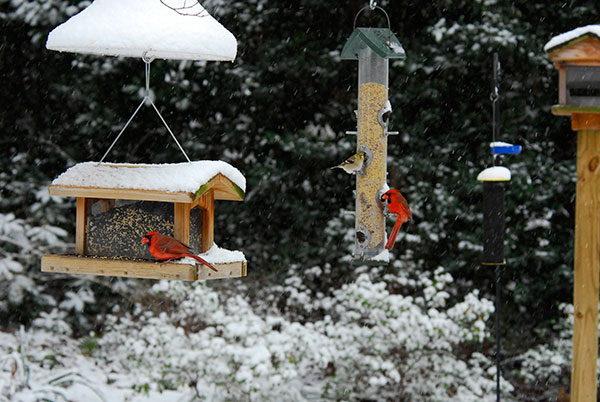
Winter is a challenging season for birds.
With limited food sources, freezing temperatures, and shorter days, birds often struggle to meet their daily energy needs. By helping them during this critical period, we not only ensure their survival but also contribute to a healthier ecosystem.
- What Do Birds Eat in Winter?
- Which Birds Need the Most Help?
- What to Feed Birds?
- How Often to Feed Birds?
- How to Set Up a Bird Feeding Station
- Providing Water for Birds in Winter
- Creating Shelter for Birds
- Common Mistakes to Avoid When Helping Birds
- Observing and Identifying Winter Birds
- How Helping Birds Benefits You
- Conclusion
However, it’s essential to remain consistent in your efforts. Once you start feeding birds, you should continue until spring. Sudden disruptions can leave birds without a dependable food source, which could lead to starvation during the harshest months.
What Do Birds Eat in Winter?
In winter, natural food sources like insects, seeds, and berries become scarce. While some bird species migrate to warmer climates, many stay and rely on what they can find. Interestingly, most birds do not eat continuously but instead store energy during the day and conserve it overnight.
Birds that remain active in winter require high-energy foods to sustain their fast metabolism and to cope with the cold.
Which Birds Need the Most Help?
Some bird species are particularly vulnerable during winter.
Small songbirds like chickadees, sparrows, and finches struggle more than larger birds due to their smaller body size and faster energy consumption.
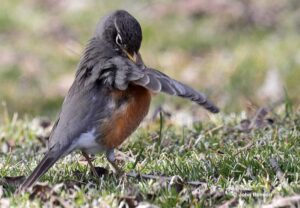
For example, Robins needs our help
Ground-feeding small birds such as robins and also face challenges as snow and frost cover their usual food sources. Birds in urban areas may be at a disadvantage if natural spaces are scarce.
Remember, once you begin feeding birds, commit to doing so until spring.
What to Feed Birds?
Providing the right food is critical for helping birds in winter. High-energy and nutrient-dense options include:
- Black oil sunflower seeds: Rich in fat and easy to eat for most birds.
- Peanuts (unsalted, unseasoned): A great source of protein and energy.
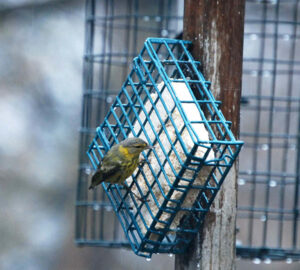
- Suet or fat balls: Essential for providing the calories birds need to maintain body heat.
- Fruits: Chopped apples, pears, and dried fruits like raisins are ideal for fruit-eating birds.
- Seed mixes: Tailored mixes can attract a variety of species but avoid cheap ones with fillers like wheat or barley, which many birds don’t eat.
How Often to Feed Birds?
Consistency is crucial when feeding birds in winter. Ideally, you should replenish feeders daily, especially during heavy snow or icy conditions. Early mornings and late afternoons are key feeding times, as birds need energy to start their day and to sustain themselves overnight.
How to Set Up a Bird Feeding Station
Creating an effective feeding station can attract more birds and provide them with a safe place to eat. Here’s how to set one up:
- Choose a Safe Location: Place feeders in sheltered spots, away from strong winds, predators, and traffic.
- Use Multiple Feeders: Different feeders accommodate various types of food and attract a wider range of birds.
- Keep it Clean: Regularly clean feeders to prevent the spread of diseases among birds.
- Add Perches and Platforms: These provide a resting place for birds while they eat, especially for species that don’t cling to feeders easily.
Why Birds Are Not Visiting Your Feeder?
Providing Water for Birds in Winter
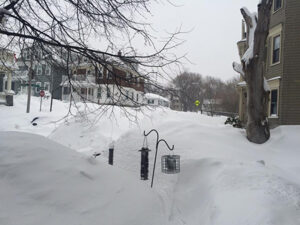
Water is just as essential as food, but it’s often scarce in winter due to freezing temperatures. You can help by:
- Using a Birdbath Heater: These prevent water from freezing, ensuring birds have access all day.
- Refreshing Water Regularly: If you don’t have a heater, replace the water frequently to keep it unfrozen.
- Adding Stones or Sticks: Place small stones or sticks in the birdbath so birds can perch safely while drinking.
Creating Shelter for Birds
Providing shelter is another way to help birds during winter. Natural cover and man-made options can protect birds from predators and harsh weather.
- Plant Dense Shrubs or Evergreens: These offer year-round protection and nesting spots.
- Leave Brush Piles: Gather twigs, leaves, and branches to create a natural shelter.
- Install Nest Boxes: Winter-ready birdhouses can offer a warm, dry place for roosting.
Common Mistakes to Avoid When Helping Birds
While feeding and supporting birds in winter is helpful, certain practices can inadvertently harm them. Avoid the following mistakes:
Feeding Processed or Junk Food
Although it might seem like a good idea to toss out bread, chips, or leftovers to birds, these foods are not suitable for their diet. Bread, for example, lacks the necessary nutrients and can fill up birds’ stomachs without providing the energy they need to survive cold conditions.
Other processed foods, like salty snacks or sugary treats, can be harmful or even toxic. Always stick to natural, bird-friendly options like seeds, suet, and unsalted nuts.
Overcrowding Feeders
Feeding stations that are too small or insufficient for the number of visiting birds can create overcrowding.
This often leads to aggressive behavior among birds, as they compete for limited resources.
Overcrowding can also facilitate the spread of diseases, as birds come into close contact with one another. To avoid this, set up multiple feeders in different locations, ensuring there’s enough space for all species to feed safely.
Neglecting to Clean Feeders
Dirty feeders are a breeding ground for mold, bacteria, and viruses, which can spread among birds and cause illnesses like salmonella or avian pox.
During winter, damp food remnants and droppings can freeze onto feeders, further contaminating the area. Make it a habit to clean feeders regularly—at least once a week.
Use hot water and a mild detergent, rinse thoroughly, and ensure the feeder is dry before refilling it with fresh food.
By addressing these common mistakes, you can create a safe, healthy environment for birds, ensuring your efforts truly make a positive difference in their survival during winter.
Observing and Identifying Winter Birds
One of the joys of helping birds in winter is observing their behaviors and identifying different species. Keep a bird guide handy, and note the following:
- Identify species: Identify birds by their species. You can use our Identification page here or use bird identification apps.
- Appearance: Look for unique colors, markings, and sizes.
- Behavior: Watch how birds feed, perch, or interact with others.
- Calls and Songs: Winter is quieter, making it easier to hear birds’ distinct sounds.
How Helping Birds Benefits You
Helping birds in winter isn’t just about aiding wildlife—it also brings benefits to you.
- Stress Relief: Watching birds can be calming and therapeutic.
- Connection to Nature: Supporting birds fosters a deeper appreciation for the environment.
- Educational Opportunities: Observing birds can teach you and your family about ecosystems and species diversity.
Conclusion
Helping birds through the cold winter months is a rewarding way to connect with nature while supporting wildlife conservation.
By providing food, water, and shelter, you can make a significant difference in their survival.
Remember, once you begin feeding birds, commit to doing so until spring. With a little effort and consistency, you’ll be giving your feathered friends the lifeline they need during the toughest time of the year.
Arlene
Tuesday 24th of December 2024
What to do when your area has a mouse and rat issue. I want to feed the birds but I am concerned that I am attracting the mice/ rats
Sam Crowe
Thursday 6th of February 2025
Hi Arlene, You don’t need to worry too much! Just keep the area clean, use a seed catcher, and opt for no-waste seed to minimize spills. Elevated feeders and proper storage will help keep rodents away while still letting you enjoy feeding the birds!