

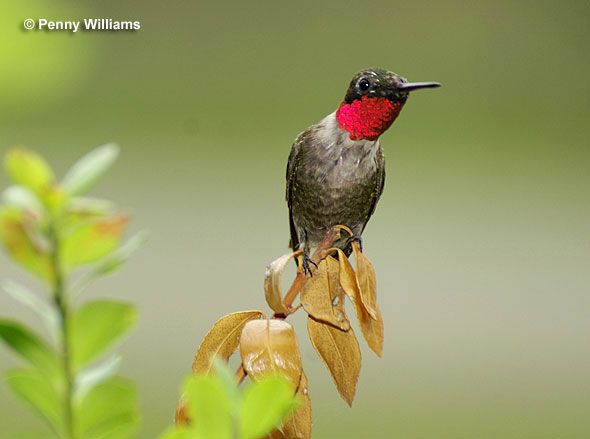
If you’ve spotted a Ruby-throated Hummingbird in North Carolina, you’ve witnessed the only species that regularly breeds in the state. These tiny birds arrive, nest, raise young, and then make an incredible journey south.
Each year follows the same rhythm: arrival in spring, a busy summer of feeding and nesting, and then departure in the fall. And while Ruby-throats are the main show, a few rare visitors such as Rufous or Black-chinned Hummingbirds sometimes wander through. Curious about when they come and when they go? Let’s dive in.
Why Is the Ruby-throated Hummingbird the Only Species in North Carolina?
Geography
North Carolina’s location on the East Coast makes it prime real estate for the Ruby-throated Hummingbird. The state’s mountains, rolling hills, and coastal plains provide flowers and insects they depend on. Other species mostly stay west of the Mississippi, making the Ruby-throat the reliable star here.
Migration Routes

Ruby-throats follow the same broad flyways year after year. Some dart across the Gulf of Mexico, while others trace the southeastern U.S. coast, passing right through North Carolina. Their consistent patterns keep them returning to the same backyards, gardens, and parks each season.
Climate & Habitat
The warm, humid summers of North Carolina create perfect conditions. Gardens filled with trumpet vine, bee balm, and red buckeye offer natural food sources. Add in backyard feeders, and the Ruby-throats have no trouble fueling up for their stay.
Vagrants
While uncommon, a few surprise guests sometimes drop in. Rufous Hummingbirds, typically western birds, may appear in late fall or winter. Black-chinned Hummingbirds have also been spotted, though rarely. These unusual visitors keep birders on alert and make feeders worth leaving up just a little longer.
The Departure Window in North Carolina
Ruby-throated Hummingbirds arrive in North Carolina as early as mid-March, with numbers peaking by late April. They spend the summer nesting, raising their young, and visiting feeders across the state.
By late August, you may notice fewer adults as the males often leave first. Females and young birds typically stay a bit longer. Most Ruby-throats have departed by mid-to-late September, though stragglers may linger into early October.
And then—almost overnight—your busy feeders go quiet. That’s when you know the migration is truly underway.
What Triggers Their Departure?
So what makes a hummingbird leave your yard after months of activity? Daylight hours are the biggest signal. As days shorten in late summer, hummingbirds instinctively prepare to head south.
Food supply also plays a role. While flowers and insects may still be available, the decline in natural resources lines up with their internal clock. Weather shifts can nudge them too, with a sudden cold front pushing birds to move sooner.

A rare treat in North Carolina—spotting a Black-chinned Hummingbird among the Ruby-throats
It isn’t random. Each bird is following an ancient pattern, honed through generations, to ensure survival through the long trip ahead.
The Right Time to Take Feeders Down
One of the most common questions is: when should you stop feeding hummingbirds? A good rule is to keep feeders up for at least two weeks after your last sighting. This ensures that any late migrants passing through have a safe refueling stop.
Don’t worry—leaving feeders out does not keep hummingbirds from migrating. Their instincts are stronger than a sugar-water buffet. If you remove feeders too early, you might unintentionally cut off food for birds still moving south.
In North Carolina, mid-to-late October is a safe window to take feeders down. But if you enjoy the chance of a winter vagrant like a Rufous, you might leave one up a bit longer.
A Seasonal Guide for North Carolina Homes
Every season with hummingbirds brings something to look forward to. Here’s a quick guide:
| Season | What to Expect in North Carolina |
|---|---|
| Spring (March–April) | First arrivals of Ruby-throats. Males usually appear first, followed by females. Feeders should be out by mid-March. |
| Summer (May–July) | Peak activity. Nesting season, plenty of feeding, and young birds fledging. Gardens and feeders are busy. |
| Late Summer (August–September) | Males depart first. Juveniles and females linger a few weeks longer. High feeder activity as they bulk up for migration. |
| Fall (October) | Most Ruby-throats gone by early to mid-month. Keep feeders up two weeks after the last sighting. Occasional chance of a Rufous passing through. |
| Winter (November–February) | No Ruby-throats expected. Rare western vagrants like Rufous may appear in mild winters—worth watching for. |
Have you noticed how quiet your yard feels in November, compared to the buzzing energy of summer? That’s the seasonal cycle playing out right at your doorstep.
Final Thoughts on When Hummingbirds Leave North Carolina
Ruby-throated Hummingbirds may only be with us for part of the year, but their visits mark the changing seasons. By learning their patterns, we can prepare our gardens and feeders to welcome them back—and send them off with full bellies for the long journey ahead.